The living archive

Explore the Greatest Thinkers in Human History

Discover philosophers, scientists, mathematicians, psychologists and visionaries. Read their work, understand their influence and continue the conversation through AI.
The living map

A Living Constellation of Ideas

This is not an archive of articles. It is a civilization of ideas that grows with every debate. Explore how thoughts attract, resist and reshape one another.

Open full map →
  • Conflict
  • Tension
  • Support
  • Convergence
    Since yesterday

    What Changed Today

    Ideas in Motion

    Latest Debates

    View all debates
    Judah MagnesSister NiveditaCheikh Anta Diop
    African Thought · Anti-Colonial Thought

    Do National Interests Justify Civilian Harm in Strategic Military Operations?

    The complex moral landscape of military strategy often pits national interests against the sanctity of civilian life. In this debate, historical figures Judah Magnes, Sister Nivedita,…

    View Debate →
    Clara ZetkinRabindranath TagoreRobert Sobukwe
    African Thought · Anti-Apartheid Thought

    Can a Nation Prioritize Security Without Compromising Human Rights?

    In a world where national security is often cited as a primary concern, the tension between safeguarding a nation and protecting individual liberties remains a pressing…

    View Debate →
    Paulo FreireConfuciusFazlur Rahman
    Ancient Philosophy · Eastern Philosophy

    Should Education Prioritize Critical Thinking Over Job-Specific Skills?

    In the rapidly evolving landscape of the 21st century, the question of educational priorities has never been more pertinent. Should the focus be on cultivating critical…

    View Debate →
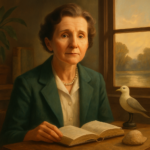
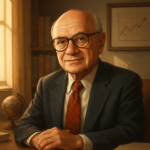
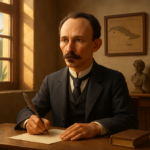
    Rachel CarsonMilton FriedmanJose Marti
    Anti-Colonial Thought · Ecology

    Should Scientific Consensus Override Democratic Choice in Public Health Policy?

    The intersection of scientific consensus and democratic choice in public health policy is a contentious issue, raising questions about the role of expert knowledge versus the…

    View Debate →
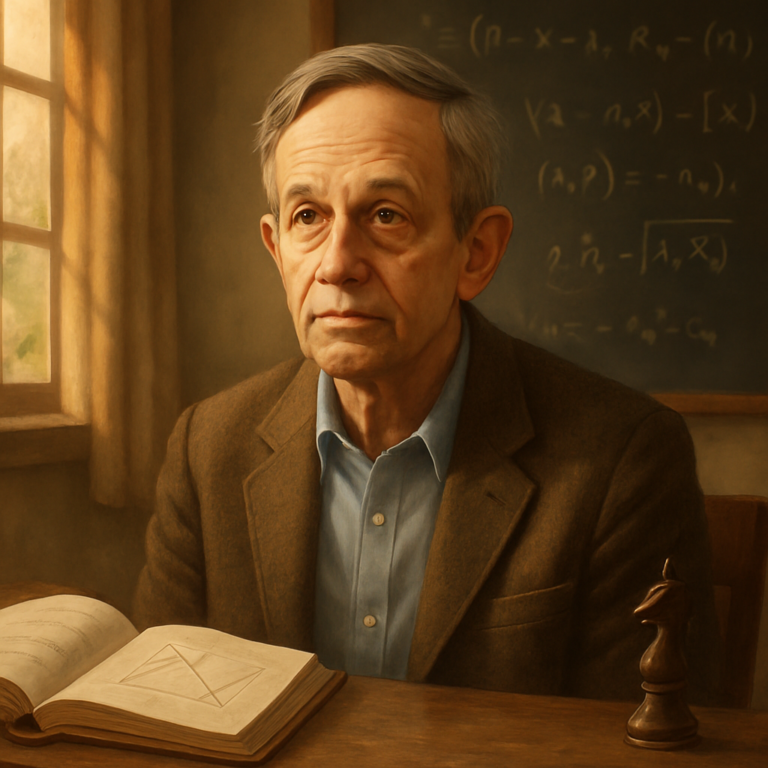
    1928–2015

    John Nash

    Explains how rational agents can settle into stable but not always ideal strategic patterns.

    Economics · Game Theory · Mathematics
    1921–2002

    John Rawls

    Asks what principles free and equal people would choose for a just society.

    Ethics · Justice · Liberal Thought
    1806–1873

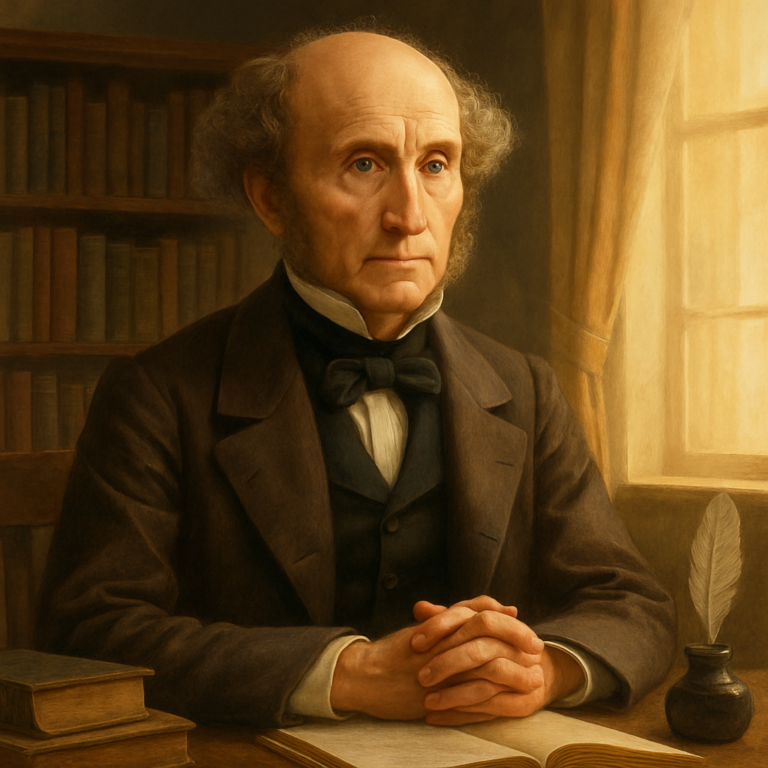
    John Stuart Mill

    Explores liberty, harm, utilitarian ethics, democracy, individuality, and the improvement of human welfare.

    Ethics · Political Philosophy · Utilitarianism
    1903–1957

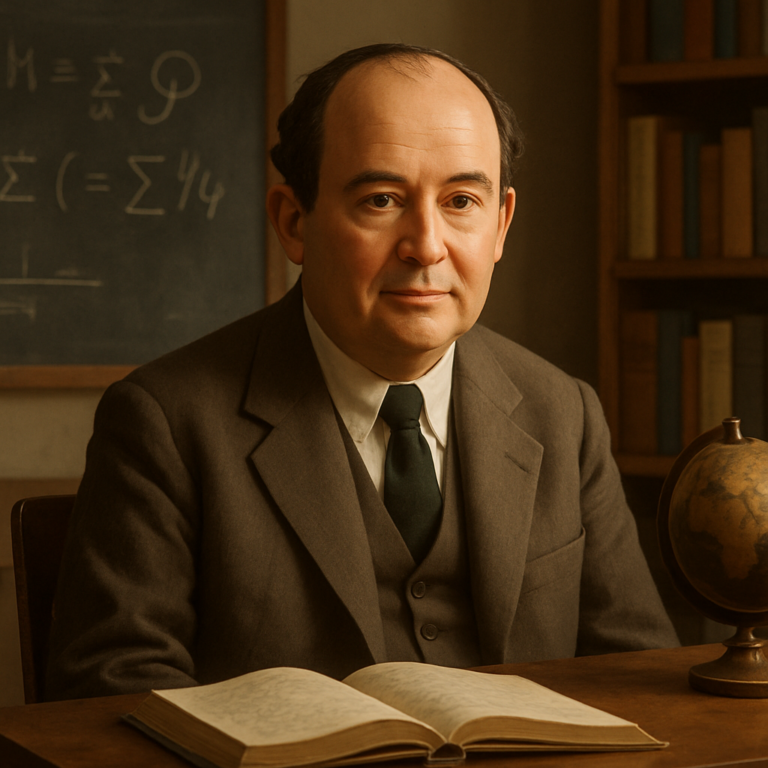
    John von Neumann

    Connects mathematics to machines, games, strategy, physics, and world-changing technical systems.

    Computing · Economics · Mathematics
    1853–1895

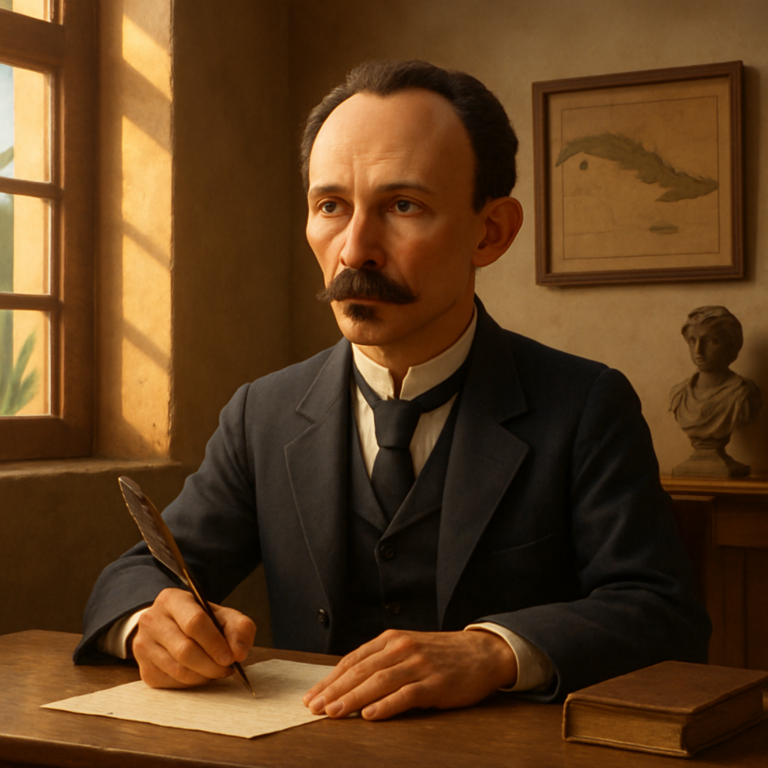
    Jose Marti

    Explores anti-imperialism, dignity, republics, race, education, poetry, and the moral imagination of Latin American freedom.

    Anti-Colonial Thought · Latin American Thought · Literature
    1877–1948

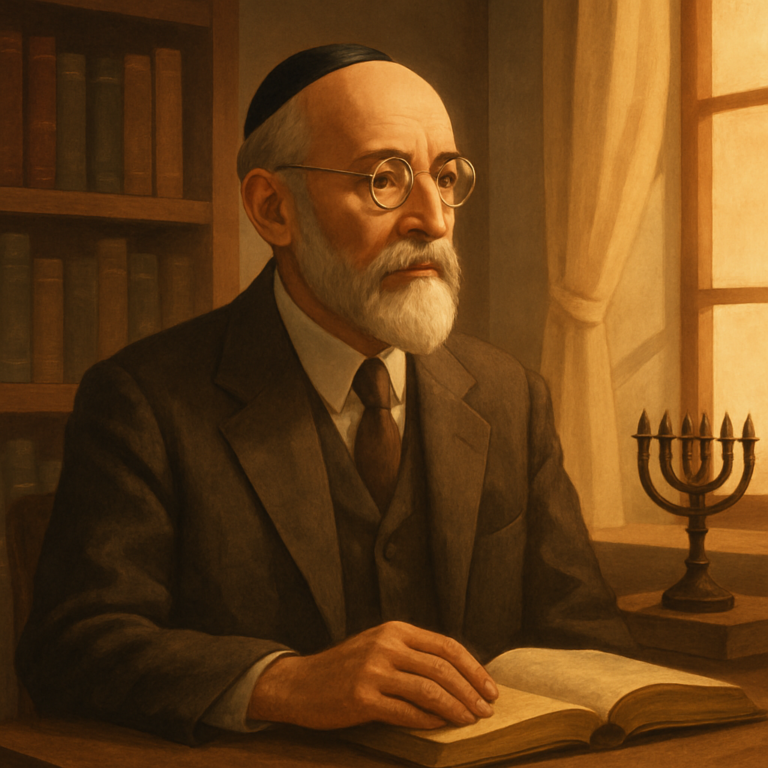
    Judah Magnes

    Reflects on binationalism, peace, Jewish-Arab coexistence, university life, moral Zionism, and the risks of militarized nationalism.

    Ethics · Jewish Thought · Peace Studies
    1956–present

    Judith Butler

    Interrogates gender performativity, vulnerability, power, precarity, language, bodies, and the politics of recognition.

    Ethics · Feminist Thought · Language & Meaning
    1922–1999

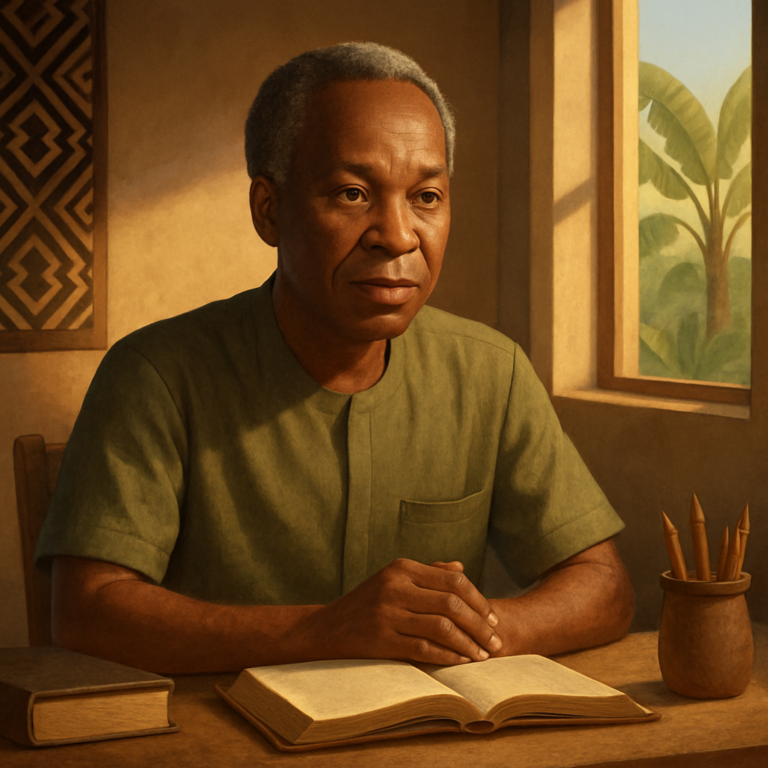
    Julius Nyerere

    Explores African socialism, ujamaa, education, nation-building, rural dignity, language, and postcolonial moral leadership.

    African Thought · Education · Political Philosophy
    1827–1890

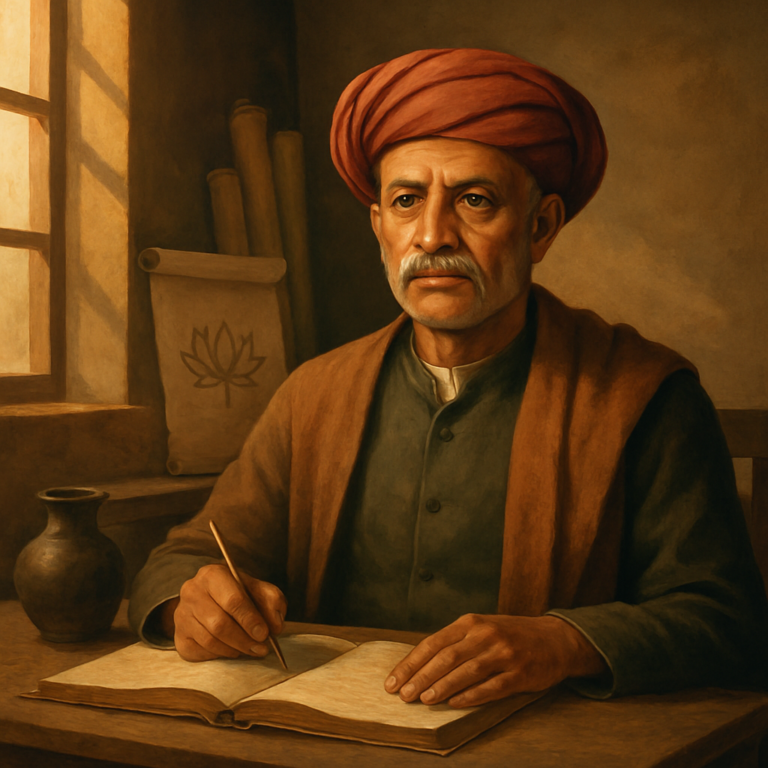
    Jyotirao Phule

    Makes education and anti-caste critique central to social freedom.

    Anti-Caste Thought · Education · Indian Thought
    1818–1883

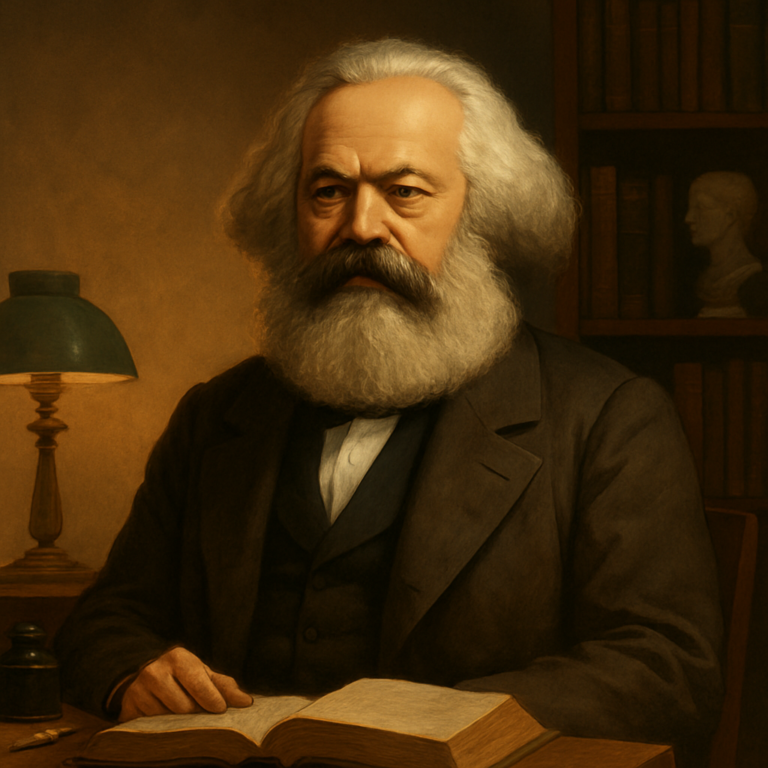
    Karl Marx

    Analyzes labor, capital, class, ideology, alienation, power, and historical change through materialist social critique.

    Economics · Political Philosophy · Social Theory
    1924–2021

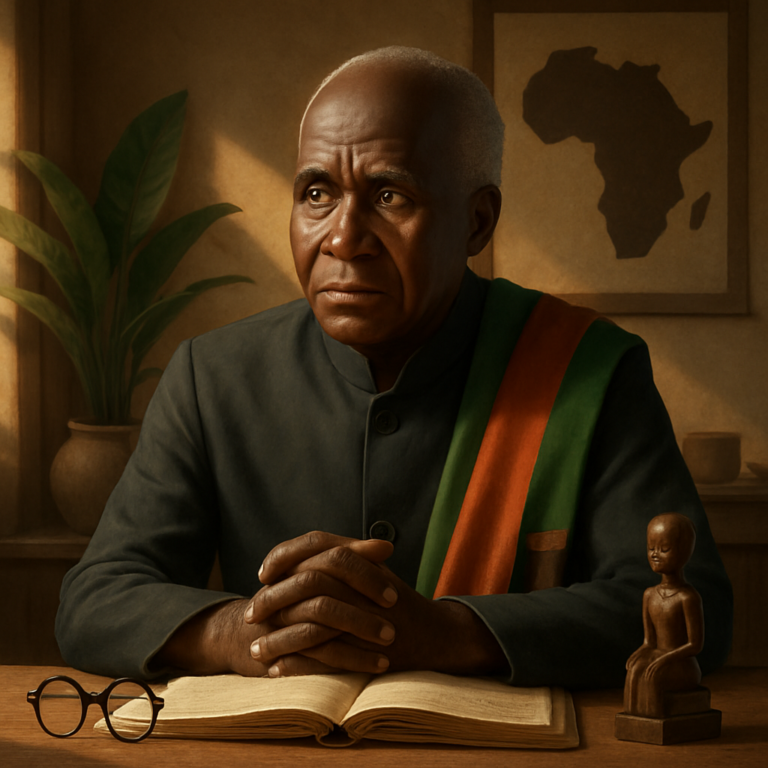
    Kenneth Kaunda

    Approaches humanism, African independence, nonalignment, reconciliation, leadership, and the ethical burden of governing after liberation.

    African Thought · Anti-Colonial Thought · Ethics
    1959–present

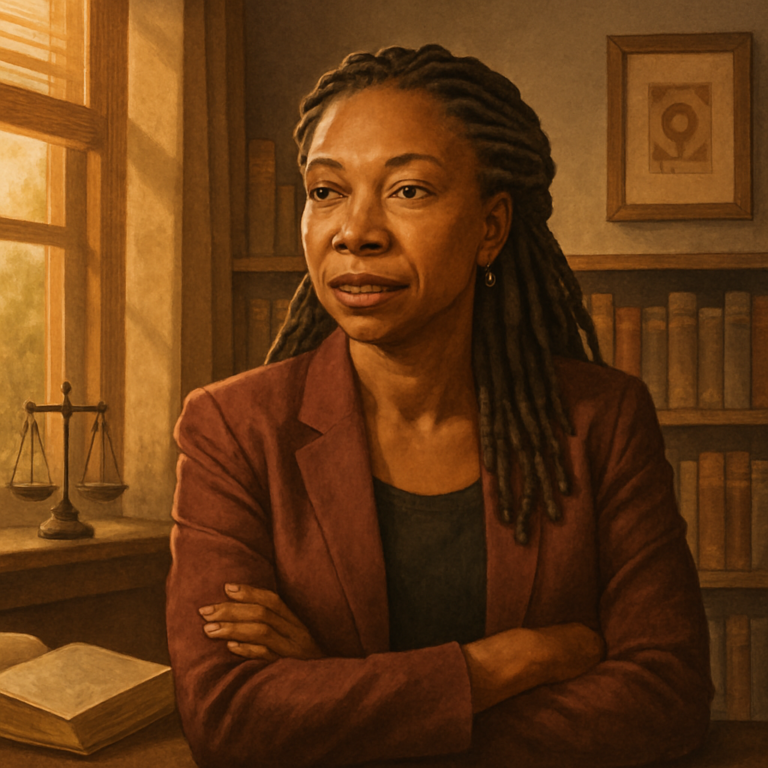
    Kimberlé Crenshaw

    Shows how law and politics can miss people whose lives sit at overlapping forms of exclusion.

    African American Thought · Feminist Thought · Law
    1870–1945

    Kitaro Nishida

    Bridges Zen-inflected thought and Western philosophy through experience, place, and nothingness.

    Eastern Philosophy · Metaphysics · Modern Philosophy
    1906–1978

    Kurt Gödel

    Explores incompleteness, formal systems, proof, limits of logic, and the boundaries of mathematical certainty.

    Logic · Mathematics · Metaphysics
    1909–1972

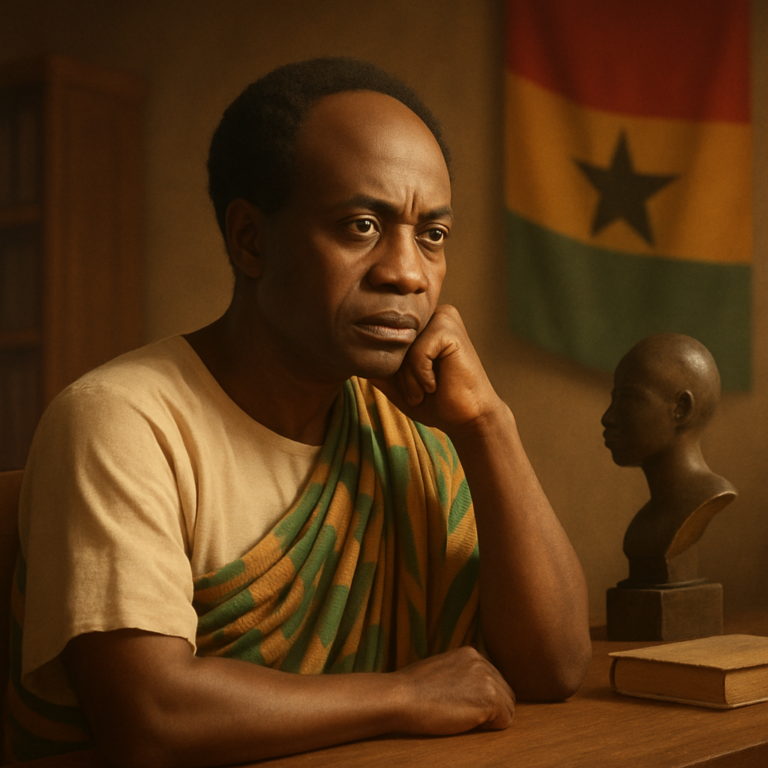
    Kwame Nkrumah

    Analyzes Pan-Africanism, neocolonialism, socialism, independence, unity, and the dangers of fragmented liberation.

    African Thought · Anti-Colonial Thought · Pan-Africanism
    traditionally 6th century BCE

    Laozi

    Approaches life through Dao, simplicity, non-forcing, humility, paradox, and alignment with natural patterns.

    Ancient Philosophy · Eastern Philosophy · Metaphysics
    1971–present

    Leanne Betasamosake Simpson

    Explores resurgence, land as pedagogy, Indigenous feminism, refusal, story, song, and alternatives to colonial recognition.

    Ecology · Feminist Thought · Indigenous Thought
    1828–1910

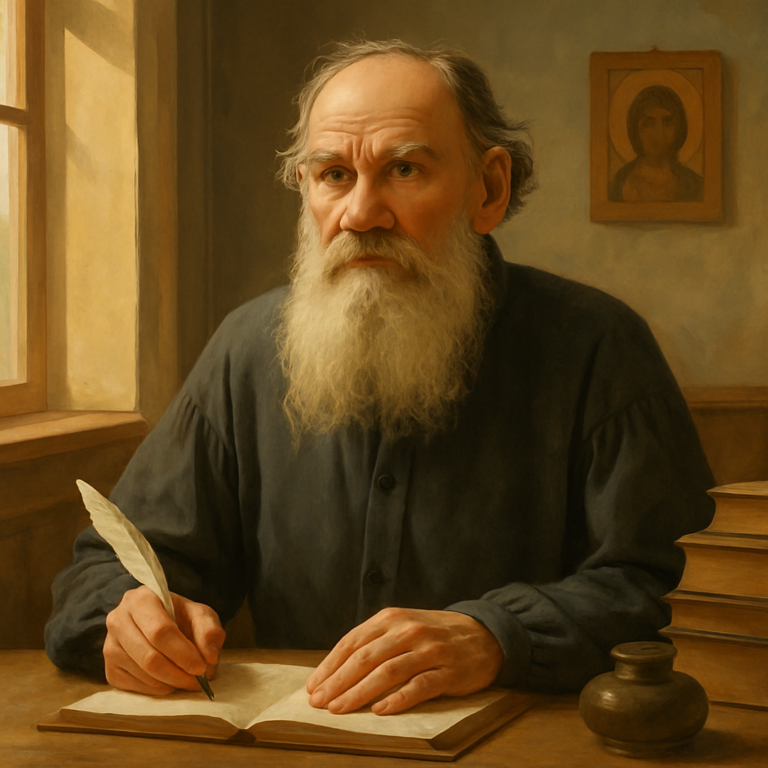
    Leo Tolstoy

    Explores conscience, moral conversion, violence, simplicity, faith, and the tension between social status and ethical truth.

    Ethics · Literature · Political Philosophy
    1707–1783

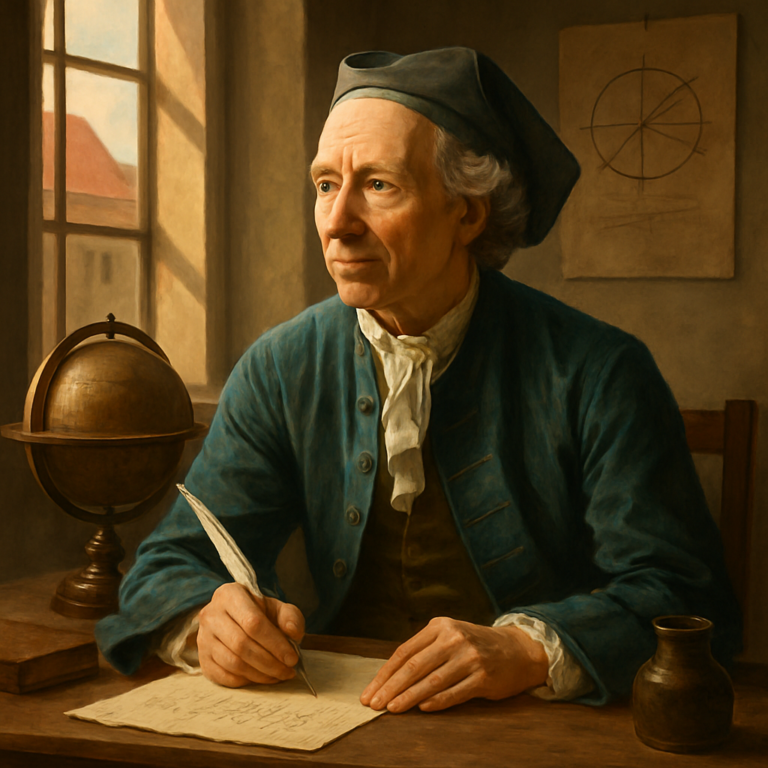
    Leonhard Euler

    Makes modern mathematics fluent through notation, analysis, mechanics, and astonishing productivity.

    Logic · Mathematics · Physics
    1895–1990

    Lewis Mumford

    Asks whether technical systems serve human life or absorb it into scale and control.

    History · Political Philosophy · Technology & Society
    1950–present

    Linda Tuhiwai Smith

    Examines decolonizing research, Indigenous methodology, knowledge extraction, education, and who controls the questions.

    Education · Indigenous Thought · Postcolonial Thought
    1889–1951

    Ludwig Wittgenstein

    Investigates language, meaning, rules, forms of life, logic, and the limits of philosophical explanation.

    Analytic Philosophy · Language & Meaning · Logic
    1869–1948

    Mahatma Gandhi

    Examines truth-force, nonviolent resistance, self-discipline, anti-colonial politics, and the ethics of means and ends.

    Anti-Colonial Thought · Ethics · Indian Thought
    Continue Exploring

    Follow the next thread.

    Move from a person to an argument, a school, or a live exchange without leaving the archive.

    PeopleExplore ThinkersReading roomRead ThoughtsCollectionsBrowse SchoolsIdeas in motionView DebatesSerendipityRandom Thinker
    Log In