Curated Collection

Western Philosophy

Thinkers and essays gathered around this school of thought.

24Thinkers
6Thoughts
90Major Works
39Archive Entries
Renaissance · Early ModernTime Period
Featured Thinker

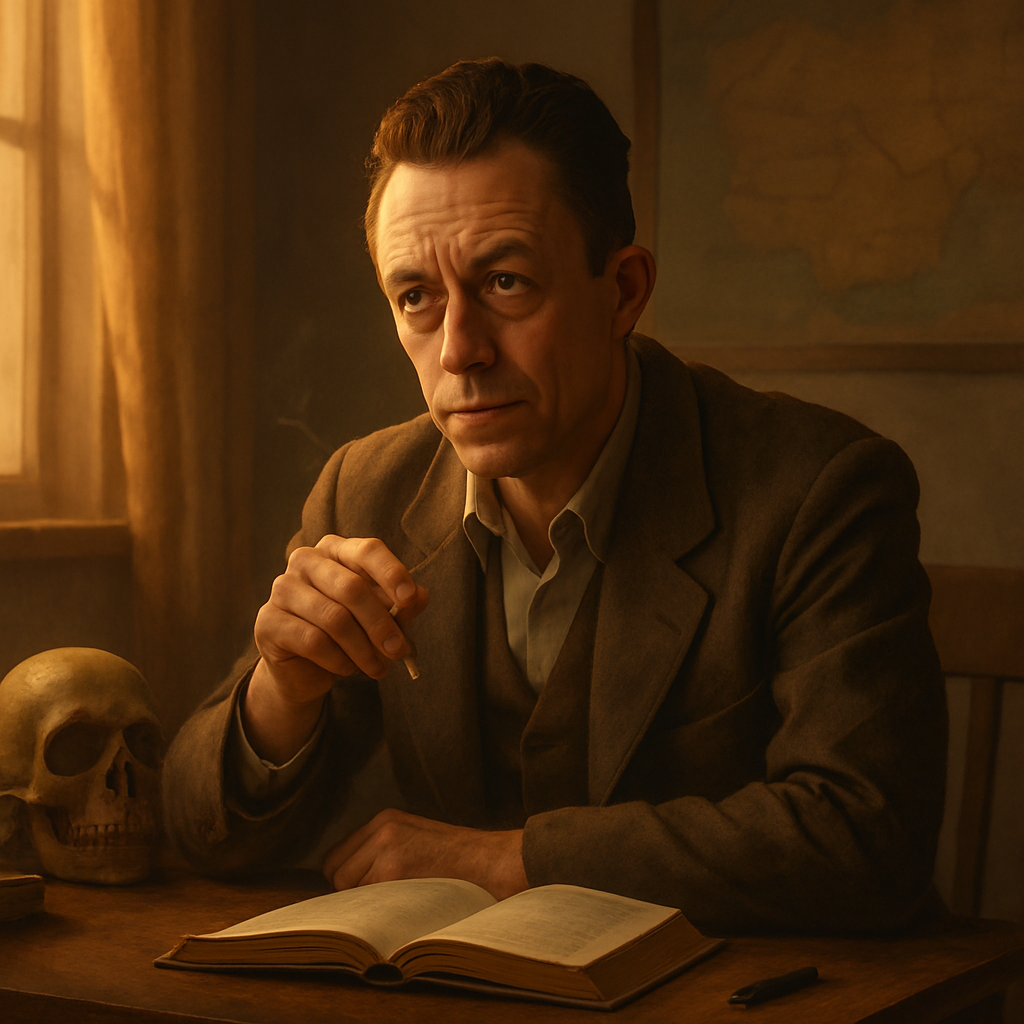
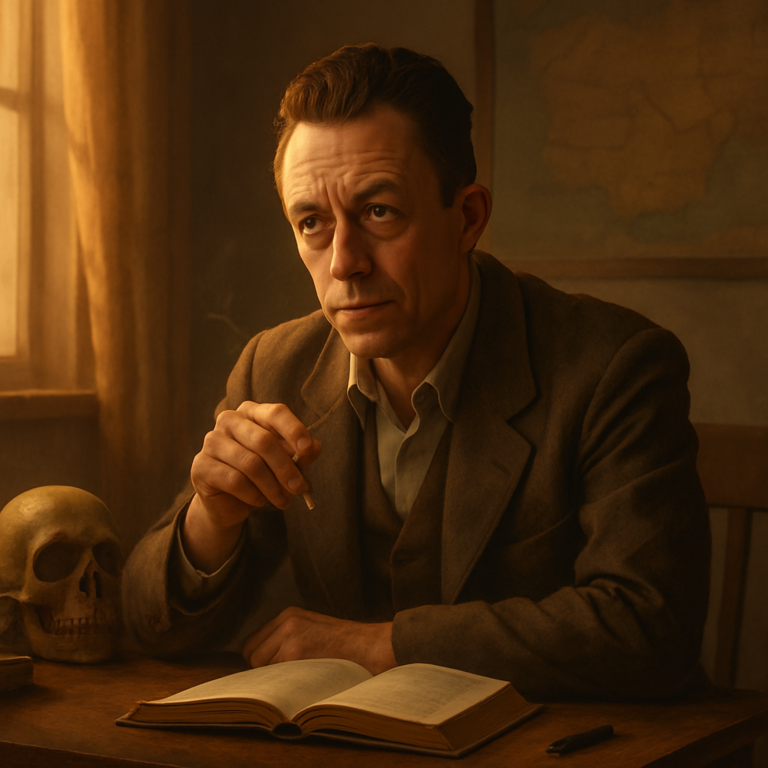
Albert Camus

Reflects on absurdity, revolt, mortality, dignity, freedom, and living meaningfully without false certainty.

“One must imagine Sisyphus happy.”
View Profile
Across time

A history of Western Philosophy

Voices

Thinkers

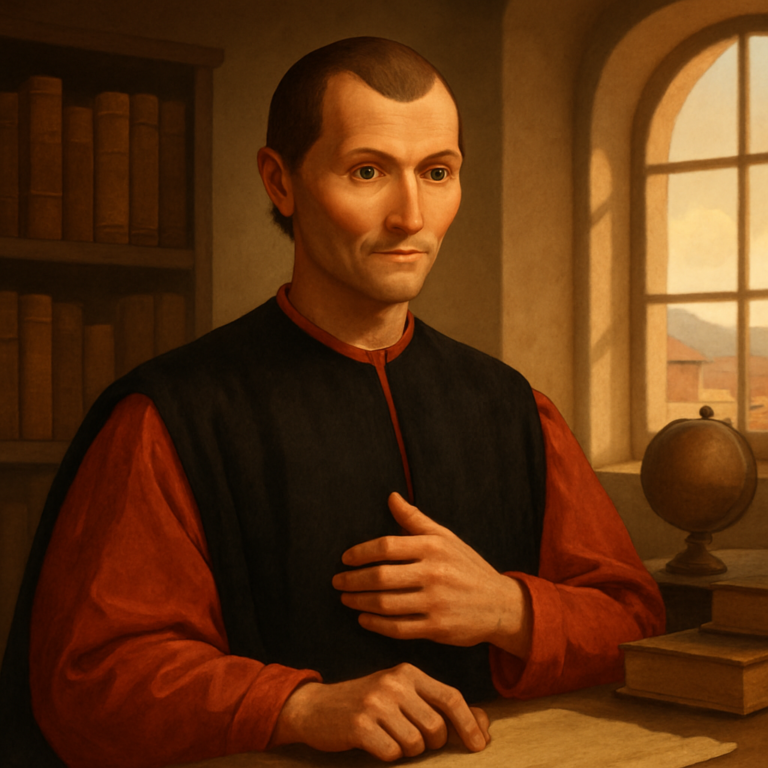
1469–1527

Niccolò Machiavelli

Analyzes power, leadership, strategy, institutions, conflict, and political realism without comforting illusions.

Ethics · Political Philosophy · Strategy
1623–1662

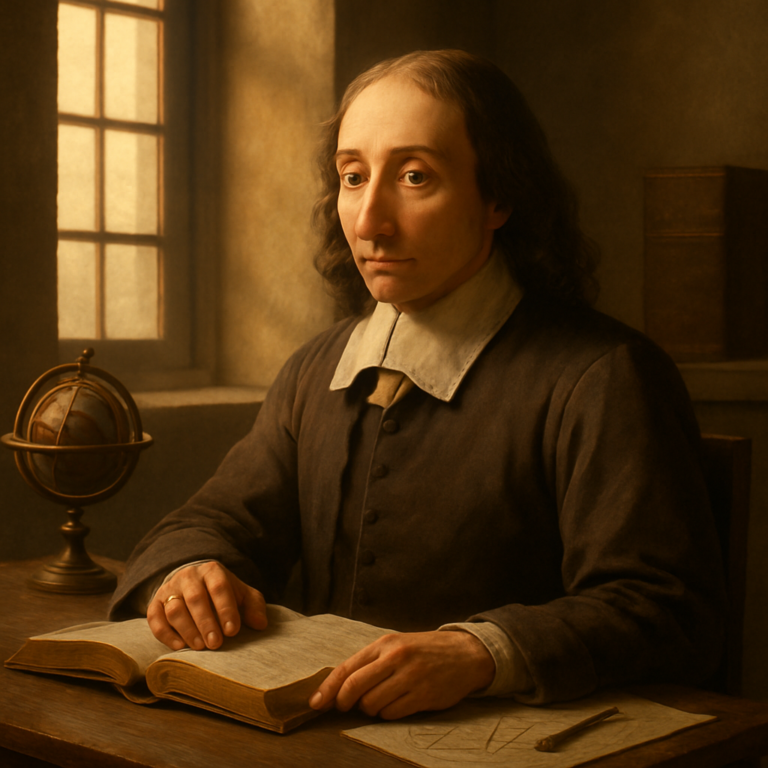
Blaise Pascal

Balances mathematics, probability, faith, human fragility, decision, risk, and the drama of the heart and reason.

Mathematics · Probability · Religion & Mysticism
1906–1978

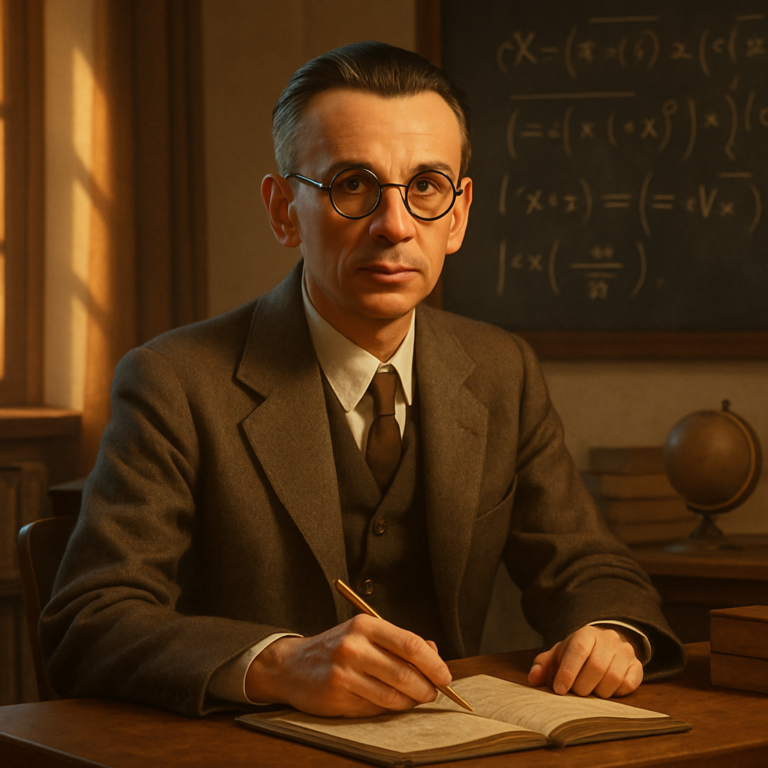
Kurt Gödel

Explores incompleteness, formal systems, proof, limits of logic, and the boundaries of mathematical certainty.

Logic · Mathematics · Metaphysics
1913–1960

Albert Camus

Reflects on absurdity, revolt, mortality, dignity, freedom, and living meaningfully without false certainty.

Ethics · Existentialism · Literature
1930–2004

Jacques Derrida

Reads texts through deconstruction, difference, ambiguity, traces, and the instability of fixed meaning.

Language & Meaning · Literary Theory · Poststructuralism
1926–1984

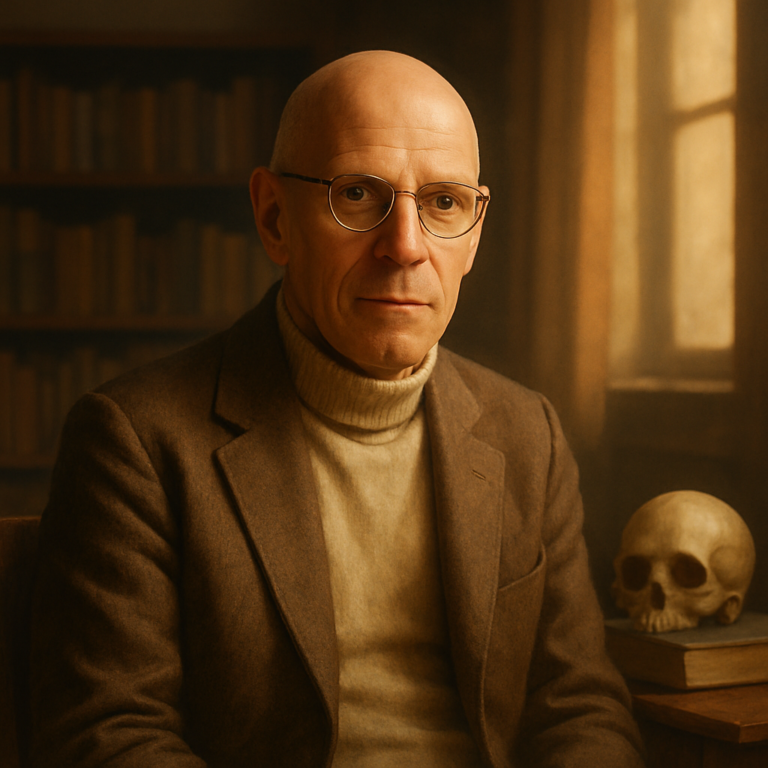
Michel Foucault

Examines power, knowledge, discipline, institutions, identity, history, and the construction of normality.

Political Philosophy · Poststructuralism · Social Theory
1906–1975

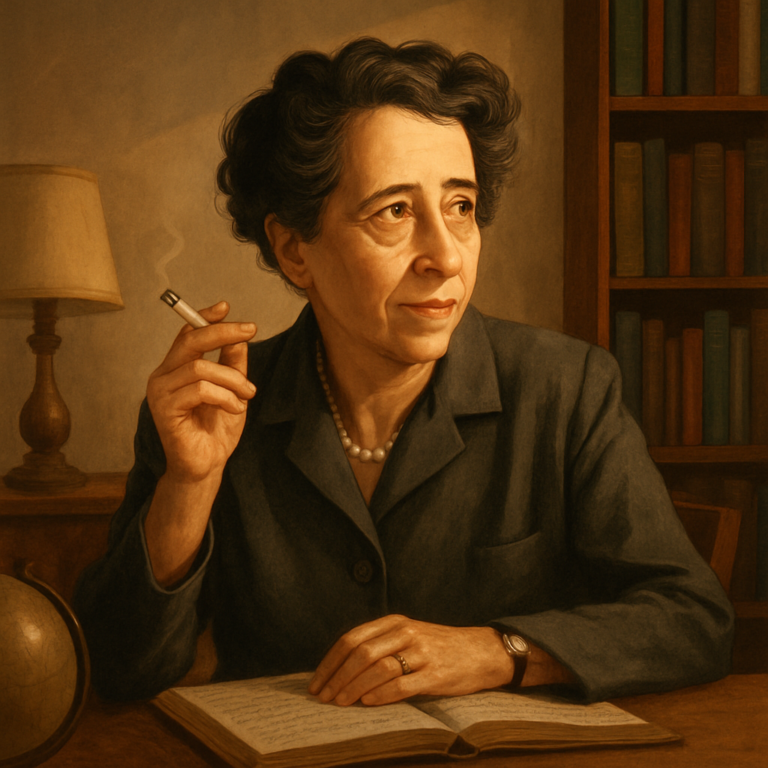
Hannah Arendt

Explores power, action, responsibility, totalitarianism, judgment, plurality, and public life.

Ethics · Political Philosophy · Social Theory
1908–1986

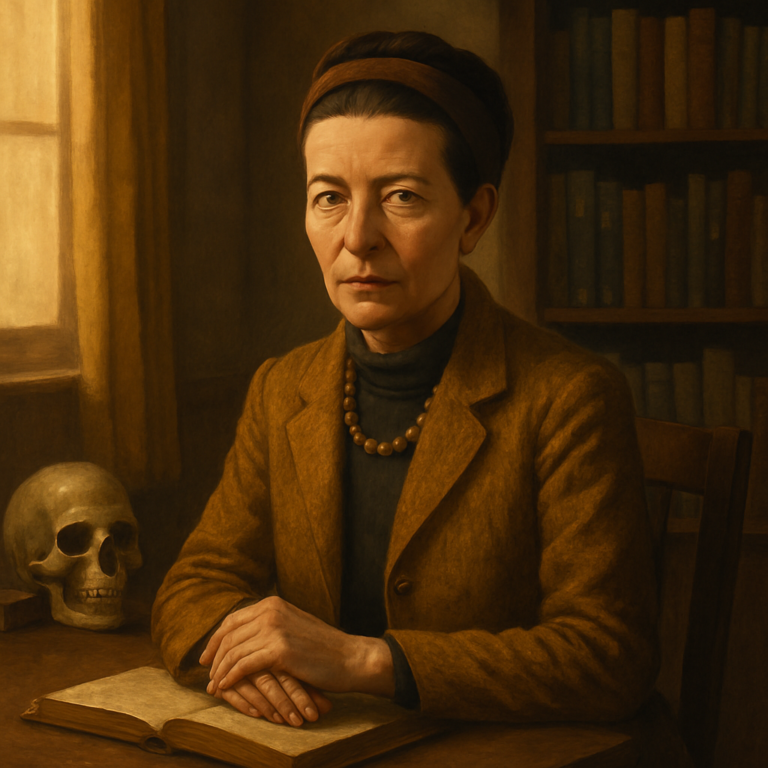
Simone de Beauvoir

Analyzes freedom, gender, ambiguity, oppression, embodiment, ethics, and the social construction of womanhood.

Ethics · Existentialism · Feminist Thought
1905–1980

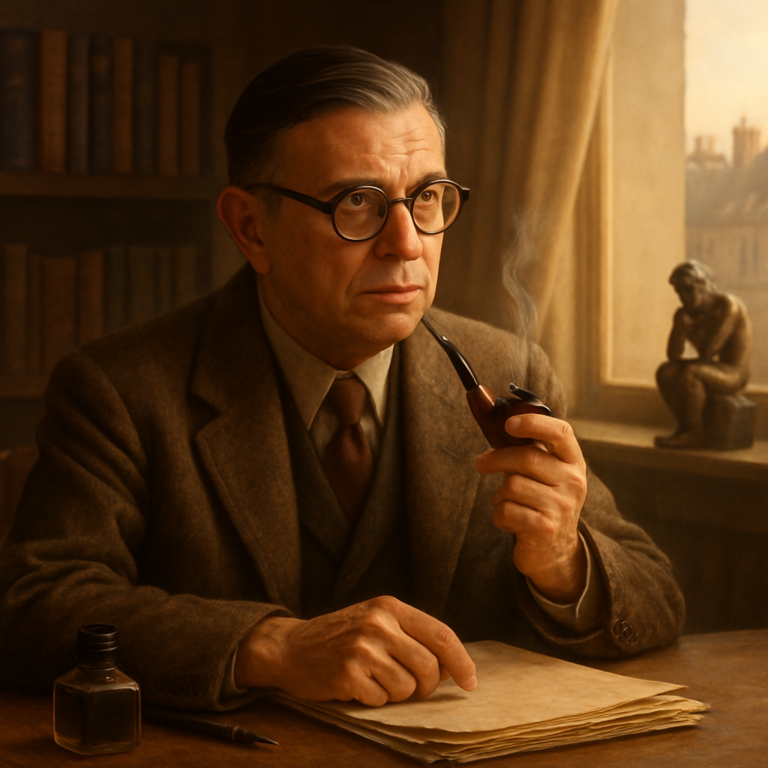
Jean-Paul Sartre

Focuses on freedom, responsibility, bad faith, identity, politics, and creating meaning in an absurd world.

Existentialism · Literature · Political Philosophy
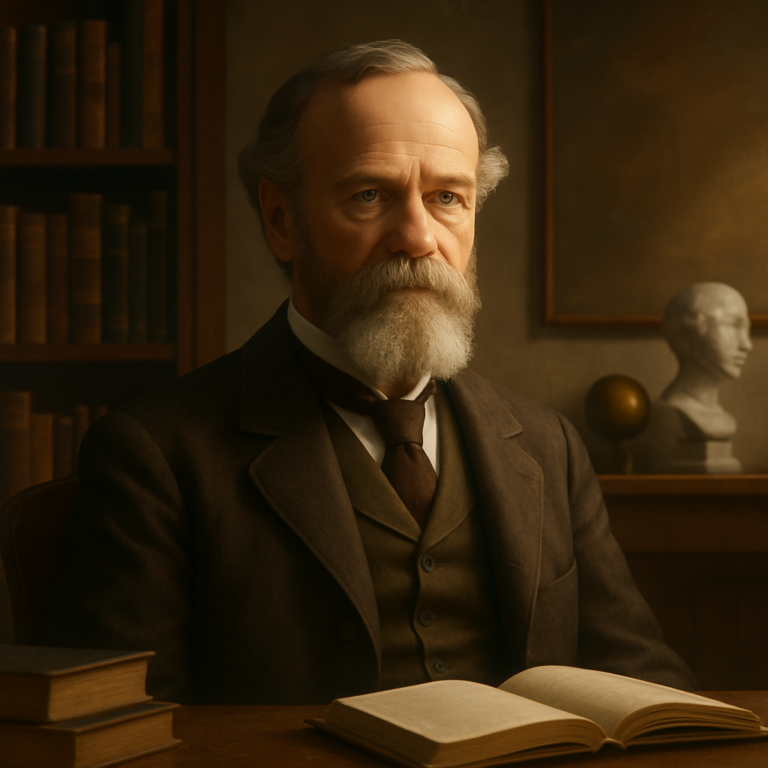
1842–1910

William James

Connects pragmatism, psychology, religion, emotion, habit, attention, and lived experience in practical inquiry.

Pragmatism · Psychology · Religion & Mysticism
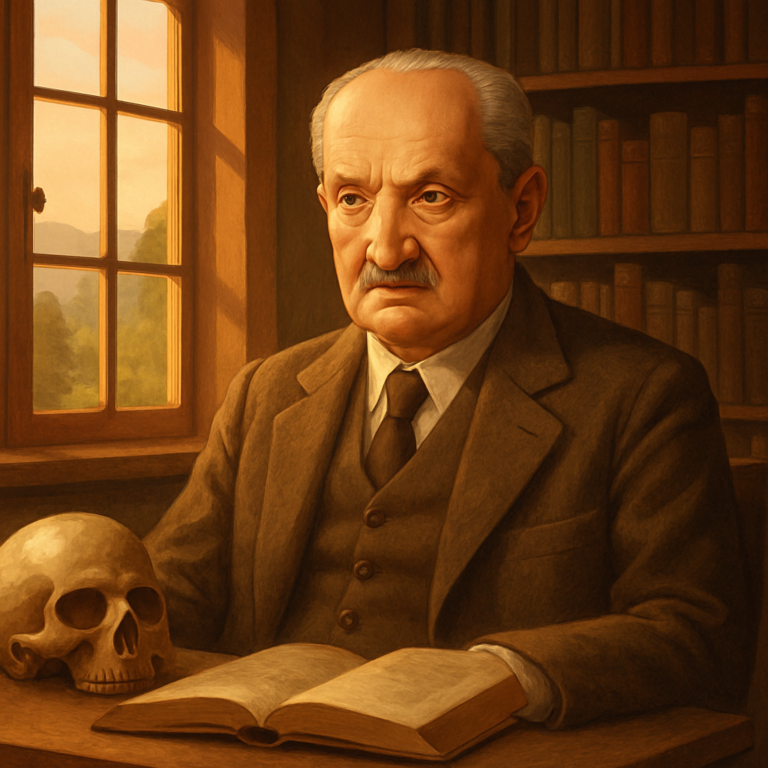
1889–1976

Martin Heidegger

Examines being, time, technology, mortality, authenticity, and human existence through deep phenomenological inquiry.

Existentialism · Metaphysics · Phenomenology
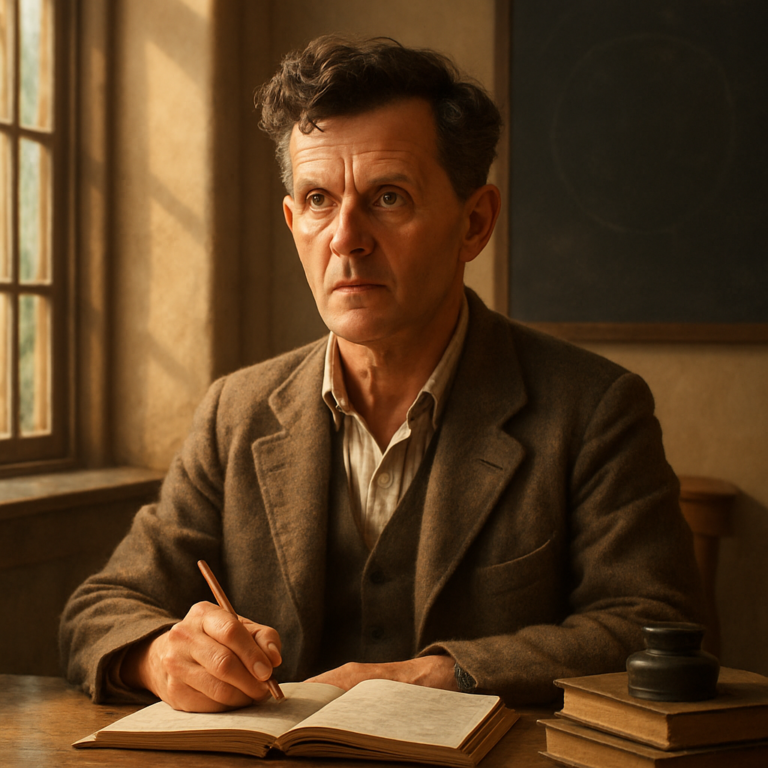
1889–1951

Ludwig Wittgenstein

Investigates language, meaning, rules, forms of life, logic, and the limits of philosophical explanation.

Analytic Philosophy · Language & Meaning · Logic
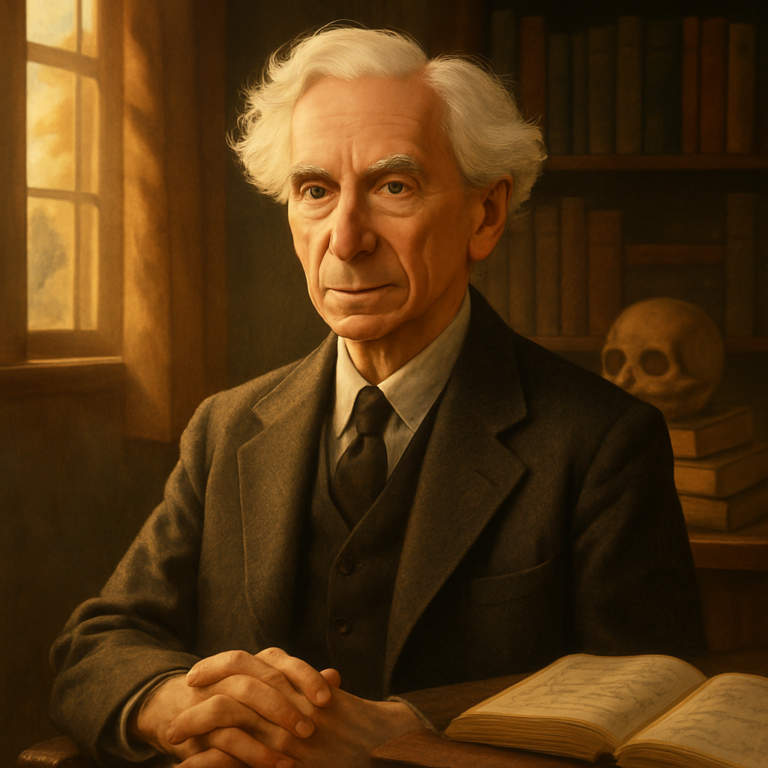
1872–1970

Bertrand Russell

Clarifies logic, language, mathematics, skepticism, ethics, peace, and public reason with analytical precision.

Language & Meaning · Logic · Mathematics
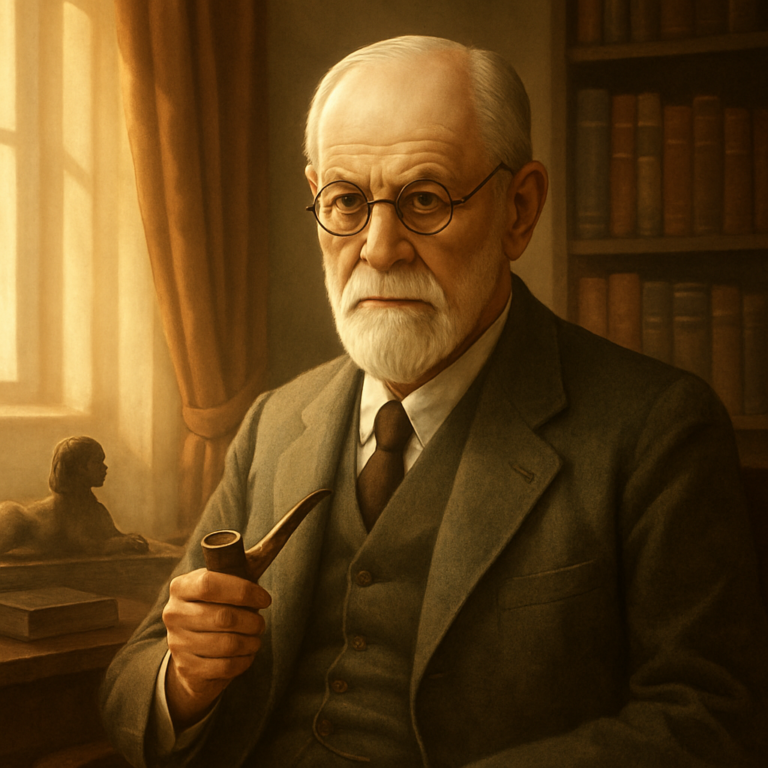
1856–1939

Sigmund Freud

Interprets desire, dreams, defense mechanisms, childhood, conflict, and the unconscious through psychoanalytic reflection.

Modern Thought · Psychoanalysis · Psychology
1839–1914

Charles Sanders Peirce

Develops pragmatism, signs, inquiry, fallibilism, logic, and scientific reasoning as communal truth-seeking.

Language & Meaning · Logic · Science
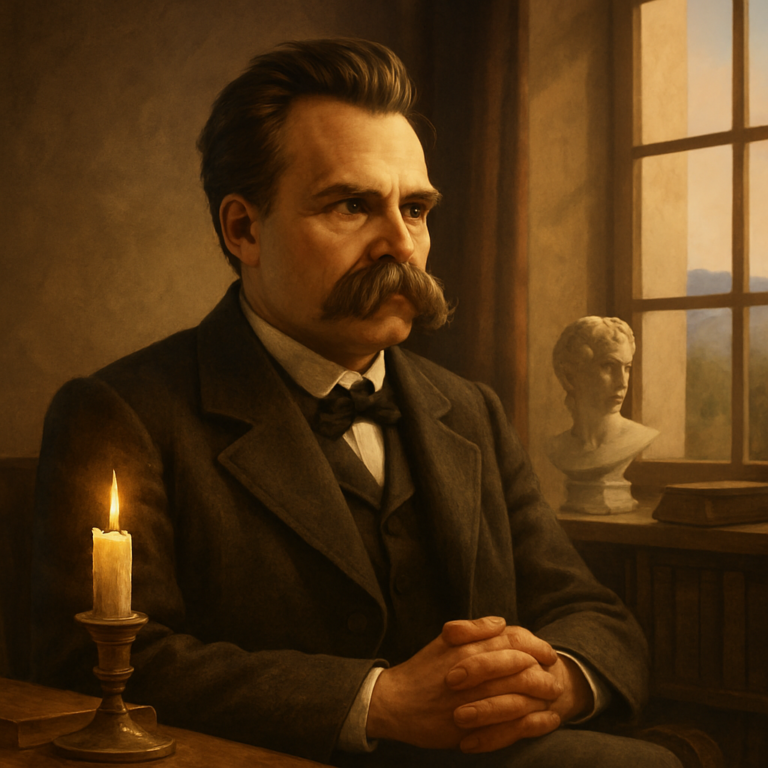
1844–1900

Friedrich Nietzsche

Challenges morality, truth, herd thinking, nihilism, self-overcoming, art, and life-affirming transformation.

Ethics · Existentialism · Psychology
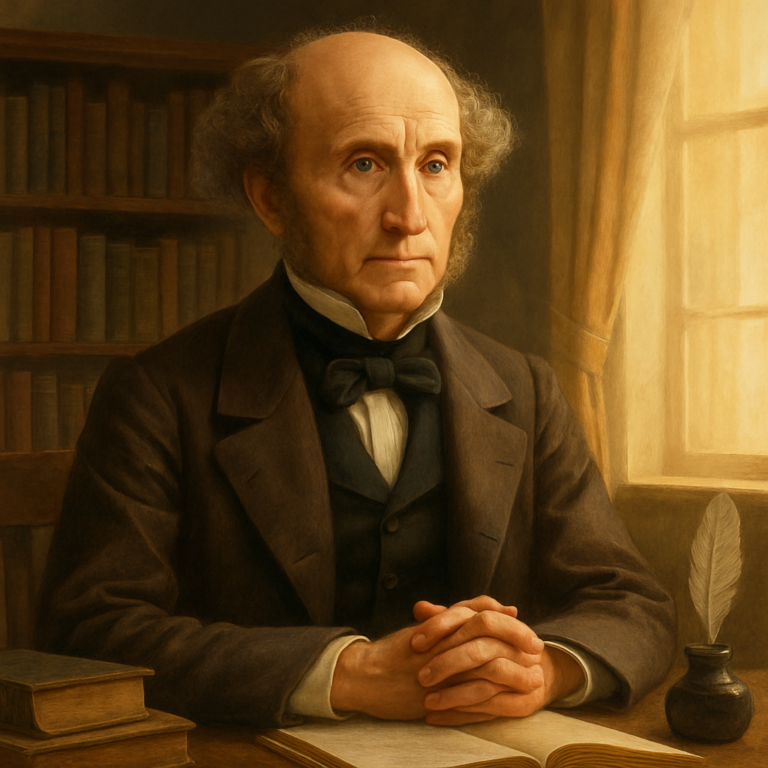
1806–1873

John Stuart Mill

Explores liberty, harm, utilitarian ethics, democracy, individuality, and the improvement of human welfare.

Ethics · Political Philosophy · Utilitarianism
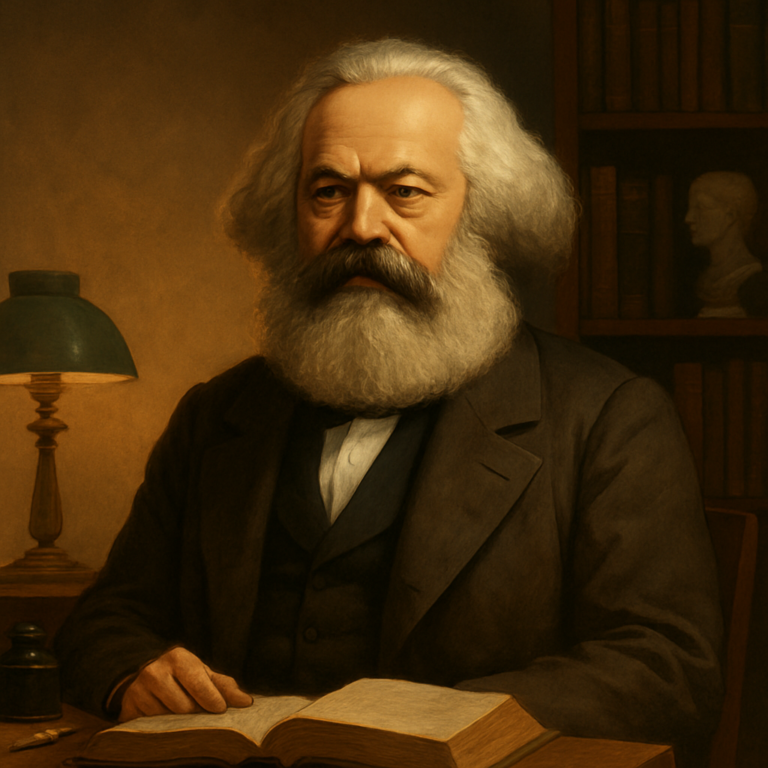
1818–1883

Karl Marx

Analyzes labor, capital, class, ideology, alienation, power, and historical change through materialist social critique.

Economics · Political Philosophy · Social Theory
1813–1855

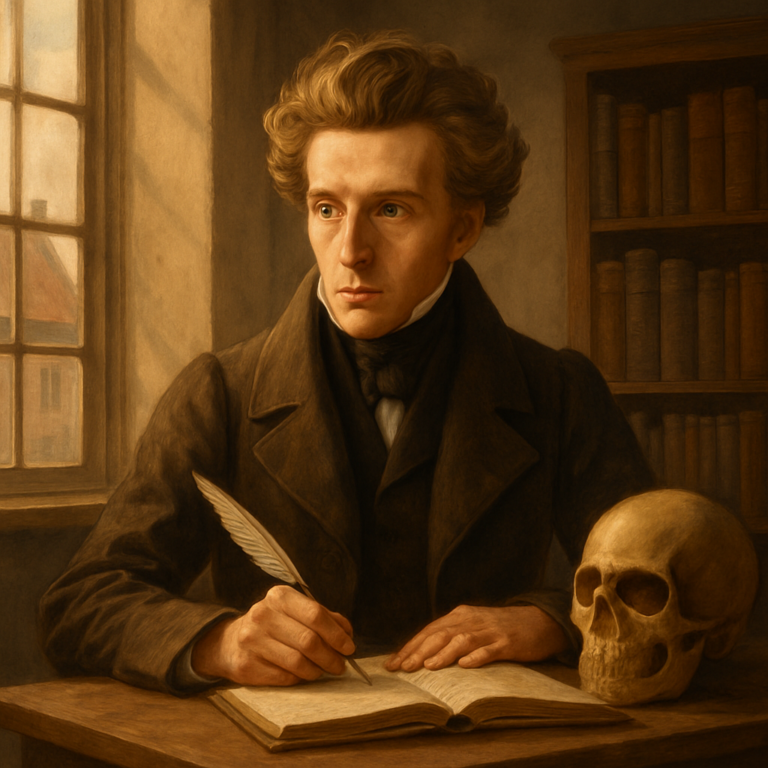
Søren Kierkegaard

Examines anxiety, faith, choice, despair, individuality, and authentic existence with psychological and spiritual intensity.

Existentialism · Psychology · Religion & Mysticism
1770–1831

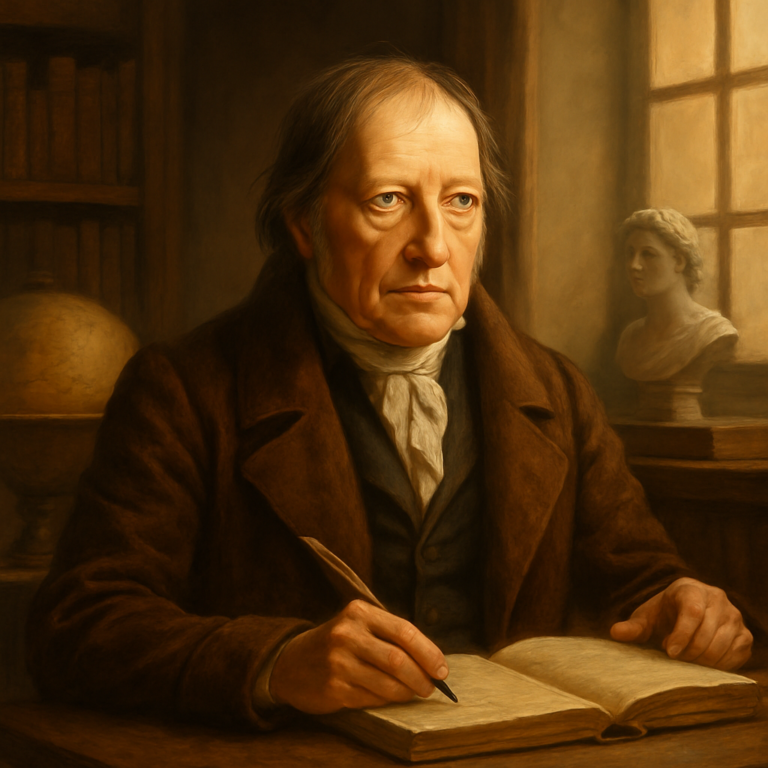
Georg Wilhelm Friedrich Hegel

Interprets history, consciousness, contradiction, freedom, and social institutions through dialectical development.

Metaphysics · Modern Philosophy · Political Philosophy
1759–1797

Mary Wollstonecraft

Advances equality, education, reason, dignity, and women’s rights through Enlightenment moral and political critique.

Ethics · Feminist Thought · Political Philosophy
1724–1804

Immanuel Kant

Structures thought around reason, duty, autonomy, experience, judgment, and the limits of what humans can know.

Ethics · Metaphysics · Modern Philosophy
1711–1776

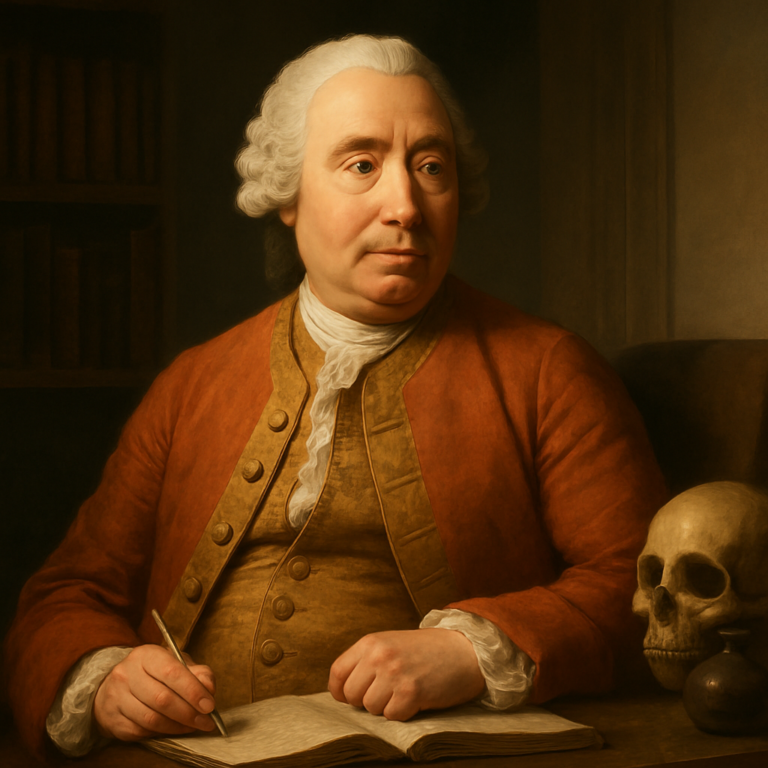
David Hume

Challenges certainty through skepticism, habit, causation, emotion, morality, religion, and human nature.

Empiricism · Ethics · Modern Philosophy
Explore Ideas

Questions within the collection

virtùfortunarealismrepublicanismstatecraftPascal’s wagerprobabilityheart and reasondiversionhuman greatness and wretchedness
Ideas

Thoughts

Continue the Conversation

Carry Western Philosophy into a living dialogue.

Begin with one thinker, bring several voices into council, or make the disagreements visible in a debate.

Log In