

Meet
Jean-Paul Sartre
1905–1980 · Modern · French
Philosophy
Made radical freedom, bad faith, and responsibility central to 20th-century philosophy and literature.
This voice is an AI interpretation built from their published work. It is not the historical person, and it can be wrong.
- A Thinker is a person
- A Thought is an essay in their voice
- An Idea is a concept
- A Debate tests ideas
Who they were
The life behind Jean-Paul Sartre’s ideas
Jean-Paul Sartre is presented in the Thought archive through philosophy, french, france, modern. The recorded life dates are 1905–1980. The profile connects this work to Existentialism, Literature, Political Philosophy, Western Philosophy.
The central questions gathered here concern existence precedes essence, bad faith, freedom, responsibility, the Look. Together they show the recurring problems, methods, and distinctions that define this thinker’s contribution.
Jean-Paul Sartre developed within an intellectual conversation shaped by Husserl, Heidegger, Kierkegaard, Marx. These names provide context for the traditions and problems surrounding the work; they do not imply simple agreement.
Read the full biography
Focuses on freedom, responsibility, bad faith, identity, politics, and creating meaning in an absurd world.
- Era
- Modern
- Tradition
- French
- Discipline
- Philosophy
- Life dates
- 1905–1980
- Country
- France
The questions they explored
What kept them wondering
- 01
Existence precedes essence
- 02
Bad faith
- 03
Freedom
- 04
Responsibility
- 05
The Look
Orbit of influence
Everything Jean-Paul Sartre is connected to
Each line is a recorded connection: an idea they hold in the debate record, a Thought written in their voice, an influence, or a debate they joined.
- holds an idea
- a Thought in their voice
- took part in a debate
The same connections as a list
Ideas
- Existence precedes essenceholds this idea · 1 debate
- Existence precedes essence in technologyholds this idea · 1 debate
- Reclaiming Indigenous epistemologiesholds this idea · 1 debate
- Relational moralityholds this idea · 1 debate
- Technology must align with human essenceholds this idea · 1 debate
- Bad faithholds this idea
- Freedomholds this idea
Thoughts
- The Weight of Freedom: An Existentialist Examination of Responsibilitya Thought in their voice
Their Thoughts
Essays in Jean-Paul Sartre’s voice
Each Thought is an essay written by AI in this thinker’s voice. It sits beside the record; it doesn’t change it.
Influences and connections
Who shaped them, and whom they shaped
Shaped by
- Husserl
- Heidegger
- Kierkegaard
- Marx
Went on to shape
- existentialism
- de Beauvoir
- postwar literature
- political thought
Kindred minds
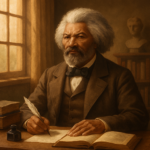 Frederick DouglassShares Literature, Political Philosophy
 Jan Christiaan SmutsShares Political Philosophy, Philosophy
 Pierre BourdieuShares Political Philosophy, French
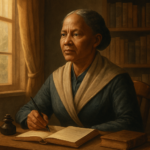 Frances Ellen Watkins HarperShares Literature, Modern
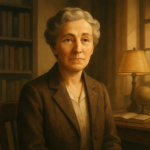 Mary Parker FollettShares Political Philosophy, Modern
 Max WeberShares Political Philosophy, Modern
Ideas in motion
Debates featuring Jean-Paul Sartre
Religion, Meaning & Morality — The oldest human questions — faith and doubt, good and evil, suffering, forgiveness and the search for meaning.
With Simone de Beauvoir, Linda Tuhiwai Smith
The Role of Essence and Existence in Preventing Misguided Technological Advancements
With Ibn Sina, Ngugi wa Thiongo
Left open: How to define and apply human essence universally?
Exploring Xenophobia: Perspectives from Carl Jung, Jean-Paul Sartre, and Immanuel Kant
With Carl Jung, Immanuel Kant
Test an assumption, explore an idea, or bring Jean-Paul Sartre into dialogue with a council of other thinkers.
Keep exploring
Where Jean-Paul Sartre leads next
Or pick another star
Thought is for exploring, questioning and connecting ideas. It doesn’t tell you what to think.