
Walk/Run Test
Add your age and sex
Some assessments compare your result with people of the same age and sex, so they can only give a rating once they know both. Sneaky will not guess. What you enter here stays on this device.
Move the slider towards the end that applies to you. The middle means “not stated”, and an assessment that compares by sex will then not give a rating.
Log in to keep your details and results with your account.
Cardiovascular fitness from a timed walk or run.
A measured distance, timer, and your pulse after finishing.
Complete the protocol at a safe pace, then enter the recorded values.
Log in to save your data
Track assessment results, compare progress, and keep your health profile connected across tools.
Add your age and sex
Some assessments compare your result with people of the same age and sex, so they can only give a rating once they know both. Sneaky will not guess. What you enter here stays on this device.
Move the slider towards the end that applies to you. The middle means “not stated”, and an assessment that compares by sex will then not give a rating.
Log in to keep your details and results with your account.
Movements that may pair well with this test result and help guide your next training step.
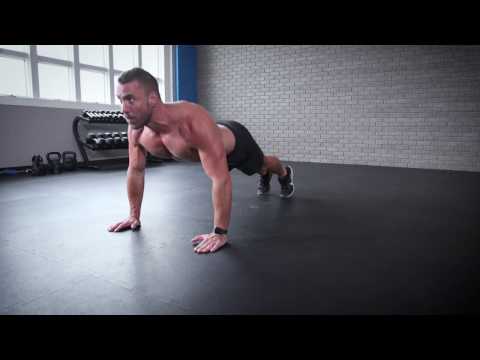 Pushup to box jump
: Exercise Guide Overview The Pushup to box jump is an explosive movement that combines…
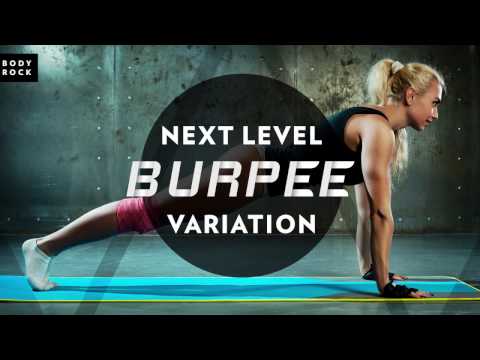 Burpee sprints
: Exercise Guide Overview Burpee sprints are a dynamic and explosive exercise that combines the traditional burpee…
 Burpees
: Exercise Guide Overview Burpees are a bodyweight exercise designed to enhance fitness through a slow, controlled movement…
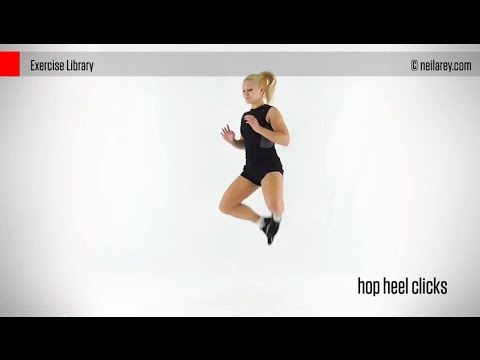 Hop heel kicks
: Exercise Guide Overview Hop heel kicks are an explosive movement designed to improve overall fitness…
Food ideas selected to support the bigger health picture around this assessment.
Short reads that add useful context without sending you on a research expedition.
 Are You Ignoring Your Flexibility? Here’s Why It Matters!
Flexibility often takes a backseat in our fitness routines, yet it plays a crucial role in our overall…
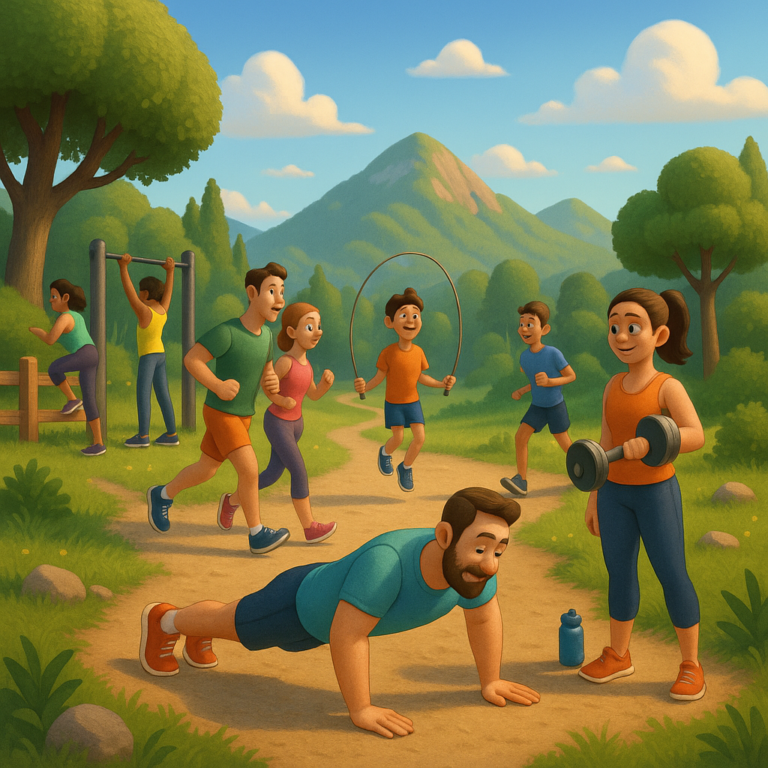 Can Nature Be Your Gym? Discover the Benefits of Outdoor Workouts
In a world increasingly dominated by indoor fitness trends, the great outdoors offers a refreshing alternative for those…
 Are You Ignoring These Signs of Overtraining in Your Fitness Routine?
Overtraining can sneak up on even the most dedicated athletes and fitness enthusiasts. Understanding the subtle signs and…
 Is Your Heart at Risk? The Hidden Dangers of High Blood Pressure
High blood pressure, often dubbed the ‘silent killer,’ affects millions without them even knowing. Understanding how to manage…
Walk test
Good to know
6-minute walk or 1-mile walk?
The 6-minute walk measures how far you get in six minutes. The 1-mile (1.6 km) walk measures how long a mile takes. Choose the one that suits your route and use it again next time, so your report can compare your results directly.
Can I run it?
No. Both are walking tests. Walk as quickly as you safely can, without running.
Where should I do it?
On a flat route you have measured, such as a running track (a lap is usually 400 m) or a marked path, in comfortable shoes. Hills, wind and stops at crossings change the result, so use the same route each time.
When should I stop?
Straight away if you feel chest pain, dizziness or unusual breathlessness. Walk at a pace you can keep safely, and cool down with a few minutes of easy walking afterwards.
Is this medical advice?
No. A check measures one thing at one moment and gives general information, not a diagnosis. If a result worries you, or you have symptoms, an injury or a health condition, talk to a doctor or another qualified professional.