

Back Touch Test
What the Back Touch Test Measures and Why It Matters
The Back Touch Test measures your shoulder mobility, flexibility, and upper body movement symmetry.
While it may seem simple, this test provides valuable insight into how well your shoulders can move through their full range of motion — a key factor in posture, injury prevention, and everyday movement.
At Sneaky Helpers, we go beyond simply checking whether your hands touch.
We interpret your performance in the context of reach distance, side-to-side balance, and your overall body profile, helping turn a basic flexibility test into a more meaningful mobility assessment.
Good shoulder mobility supports:
- Healthy posture
- Efficient upper body movement
- Reduced risk of strain and injury
- Better performance in both training and daily activities
How the Test Works and Its Accuracy
The test is simple to perform and requires no equipment:
- Stand upright with a neutral posture
- Reach one arm over your shoulder and down your back
- Reach your opposite arm behind your back and upward
- Try to touch your fingertips together, or get as close as possible
- Measure or estimate the gap between your fingers
While traditional versions of this test focus only on whether your fingers touch, our approach considers additional factors to provide a more balanced and realistic view of your shoulder mobility.
This makes the result more useful, especially when combined with your other Sneaky Helpers assessments.
How to Interpret Your Results
At a basic level, smaller gaps between your fingertips indicate better shoulder flexibility.
However, your result is not just about distance.
Two people can have the same reach gap but very different movement quality, balance, or physical constraints. That’s why your result is translated into a personalized mobility score, giving you a clearer understanding of your true shoulder function.
You may notice:
- Strong mobility on one side but not the other
- Balanced but limited flexibility
- Or high mobility with good symmetry
These insights are often more valuable than a simple pass/fail result.
Practical Guidance for Users
To improve your Back Touch Test performance:
- Stretch both shoulders regularly using controlled, gentle movements
- Focus on symmetry — train both sides equally
- Incorporate exercises like:
- Shoulder dislocations (band work)
- Wall slides
- Thoracic spine mobility drills
- Avoid forcing the movement — flexibility improves gradually
- Retest periodically under the same conditions to track progress
Log in to save your data
Track assessment results, compare progress, and keep your health profile connected across tools.
Movements that may pair well with this test result and help guide your next training step.
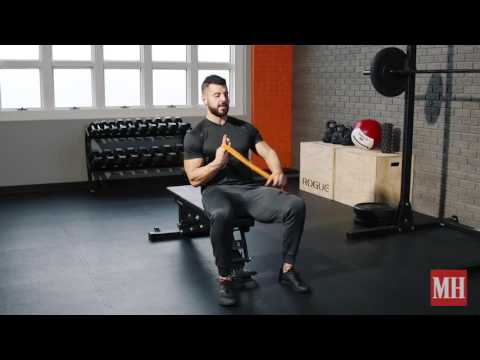 Band bench-apart
: Exercise Guide Overview The Band bench-apart is a slow, controlled exercise designed to engage the core…
Band bench-apart
Band bench-apart: Exercise Guide Overview The Band bench-apart is a slow, controlled exercise designed to engage the core…
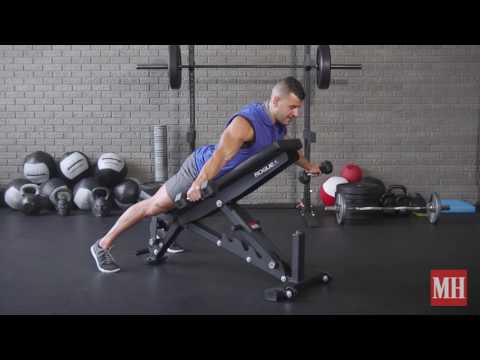 Batwing row
: Exercise Guide Overview The Batwing row is a strength-focused exercise that emphasizes a slow movement pattern,…
Batwing row
Batwing row: Exercise Guide Overview The Batwing row is a strength-focused exercise that emphasizes a slow movement pattern,…
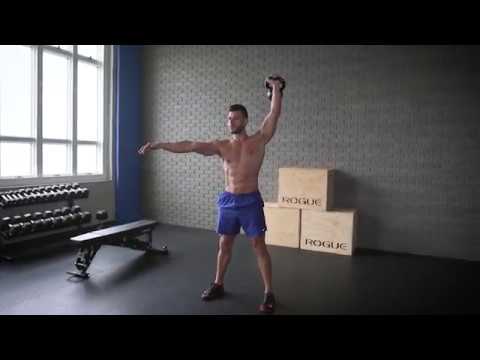 Clean and press
: Exercise Guide Overview The Clean and Press is a strength-focused exercise that primarily utilizes a…
Clean and press
Clean and press: Exercise Guide Overview The Clean and Press is a strength-focused exercise that primarily utilizes a…
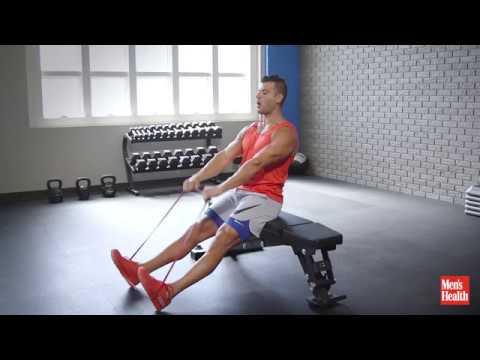 Face pull
: Exercise Guide Overview The face pull is a strength-focused exercise that primarily engages the back and…
Face pull
Face pull: Exercise Guide Overview The face pull is a strength-focused exercise that primarily engages the back and…
Food ideas selected to support the bigger health picture around this assessment.
Short reads that add useful context without sending you on a research expedition.
 Healing Together: Navigating Life After Collective Trauma
In the aftermath of trauma, the path to healing can often feel overwhelming. For those impacted by the…
Healing Together: Navigating Life After Collective Trauma
In the aftermath of trauma, the path to healing can often feel overwhelming. For those impacted by the…
 How Can We Heal Together After Collective Trauma?
In the aftermath of the October 7 massacre at the Nova Festival, many individuals are navigating the complex…
How Can We Heal Together After Collective Trauma?
In the aftermath of the October 7 massacre at the Nova Festival, many individuals are navigating the complex…
 Is Your Workout Causing More Harm Than Good?
Many people hit the gym with the goal of improving their health, but what if their workout routine…
Is Your Workout Causing More Harm Than Good?
Many people hit the gym with the goal of improving their health, but what if their workout routine…
 Can You Really Get Fit at Home Without Equipment?
In a world where gym memberships can be pricey and time-consuming, many are turning to home workouts as…
Can You Really Get Fit at Home Without Equipment?
In a world where gym memberships can be pricey and time-consuming, many are turning to home workouts as…
Back Touch Frequently Asked Questions
A reach-behind test for shoulders, posture, and the surprising politics of left versus right.
What does the Back Touch test check?
It gives a simple look at shoulder mobility by asking your hands to reach behind your back. One hand usually behaves better than the other, because bodies enjoy plot development.
Should I test both sides?
Yes. Switching which arm goes over the shoulder can reveal side-to-side differences. That comparison is often more useful than one standalone result.
Do I need to force my fingers to touch?
No. Reach gently and stop at your comfortable end range. Forcing the movement turns a mobility check into a shoulder argument, and the shoulder often wins.
What affects the result?
Shoulder mobility, chest tightness, upper-back position, past injuries, warm-up, and even posture can change the result. Use the same setup each time for a fair comparison.
What if there is pain?
Stop the test if you feel sharp pain, pinching, numbness, or symptoms that feel wrong for you. A qualified professional can help check whether mobility work, strength work, or a medical review is the better next step.