

Calipers
Skinfold Measurement Tips: Use quality calipers. Pinch skin and fat (not muscle). Measure on right side of body. Take 2-3 measurements at each site and average. Measure in millimeters (mm). Consistent technique is critical.
What the Calipers Test Measures and Why It Matters
The calipers (skinfold) test estimates your body fat percentage by measuring the thickness of fat just beneath your skin.
Unlike weight or BMI, this test gives you a much clearer picture of your body composition — how much of your body is fat vs lean mass.
This matters because body fat percentage is closely linked to:
- Metabolic health
- Hormonal balance
- Physical performance
- Long-term disease risk
Two people can weigh the same but have completely different body fat levels — and very different health profiles.
This test helps you move beyond the scale and understand what’s really happening in your body.
How the Test Works and Its Accuracy
The calipers test uses simple measurements taken at specific points on your body.
Depending on the method you choose:
3-Site Test (Faster)
- Chest
- Abdomen
- Thigh
7-Site Test (More Detailed)
- Chest
- Abdomen
- Thigh
- Triceps
- Subscapular (upper back)
- Suprailiac (above hip)
- Midaxillary (side of torso)
You measure each site using calipers, then input the values to estimate your body fat percentage.
Accuracy
- 7-site test → higher accuracy
- 3-site test → faster, still reliable
Results depend heavily on measurement consistency, not just the formula.
Even if your numbers aren’t perfect, this test is extremely valuable for tracking changes over time, which is what really matters.
How to Interpret Your Results
Your result shows your estimated body fat percentage, along with a category.
General Ranges
Men:
- Essential: 2–5%
- Athletic: 6–13%
- Fit: 14–17%
- Average: 18–24%
- High: 25%+
Women:
- Essential: 10–13%
- Athletic: 14–20%
- Fit: 21–24%
- Average: 25–31%
- High: 32%+
What matters most
- Lower isn’t always better — extremely low body fat can affect hormones and energy
- Your trend over time is more important than a single reading
- Your category + how you feel gives better insight than the number alone
Practical Guidance for Best Results
To get the most accurate and useful results:
- Use consistent technique — same locations, same side of the body
- Measure 2–3 times per site and average the values
- Test under similar conditions (time of day, hydration, etc.)
- Don’t rush — precision matters more than speed
Important
You don’t need perfect measurements to get value from this test.
Consistency beats perfection.
If you measure the same way each time, you’ll clearly see whether your body fat is going up or down — and that’s what drives real progress.
Final Note
The calipers test is one of the most practical ways to track real body composition changes at home.
It’s not about chasing a perfect number — it’s about understanding your body and improving over time.
Small changes in body fat percentage can reflect meaningful improvements in your health, performance, and overall fitness.
Log in to save your data
Track assessment results, compare progress, and keep your health profile connected across tools.
Movements that may pair well with this test result and help guide your next training step.
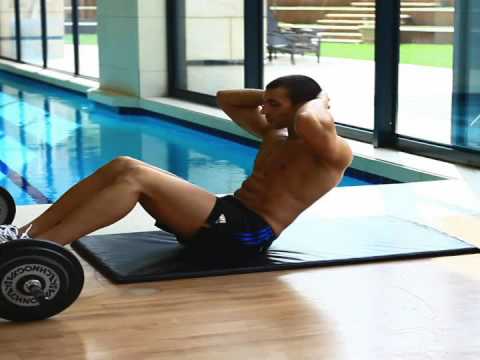 Sit ups
: Exercise Guide Overview Sit ups are a slow, controlled exercise focusing primarily on strengthening the abdominal…
Sit ups
Sit ups: Exercise Guide Overview Sit ups are a slow, controlled exercise focusing primarily on strengthening the abdominal…
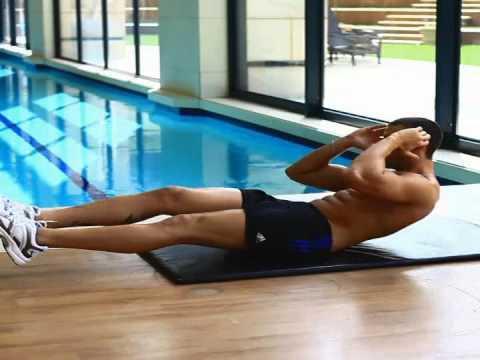 Alternating sit ups
: Exercise Guide Overview Alternating sit ups are a slow, controlled movement primarily targeting the abdominal…
Alternating sit ups
Alternating sit ups: Exercise Guide Overview Alternating sit ups are a slow, controlled movement primarily targeting the abdominal…
 Crunches
: Exercise Guide Overview Crunches are a slow, controlled exercise designed to strengthen the abdominal muscles. This movement…
Alternating sit ups
Alternating sit ups: Exercise Guide Overview Alternating sit ups are a core-strengthening exercise that focuses on the abdominal…
Crunches
Crunches: Exercise Guide Overview Crunches are a slow, controlled exercise designed to strengthen the abdominal muscles. This movement…
Alternating sit ups
Alternating sit ups: Exercise Guide Overview Alternating sit ups are a core-strengthening exercise that focuses on the abdominal…
Food ideas selected to support the bigger health picture around this assessment.
Short reads that add useful context without sending you on a research expedition.
 Is Your Gut Trying to Tell You Something Important?
Gastrointestinal health is often overlooked, yet it plays a crucial role in our overall well-being. Many people experience…
Is Your Gut Trying to Tell You Something Important?
Gastrointestinal health is often overlooked, yet it plays a crucial role in our overall well-being. Many people experience…
 Is Your Body Keeping Score? The Hidden Impact of Trauma
Trauma can leave invisible scars that affect our bodies and minds. Many people don’t realize how deeply past…
Is Your Body Keeping Score? The Hidden Impact of Trauma
Trauma can leave invisible scars that affect our bodies and minds. Many people don’t realize how deeply past…
 Can Simple Habits Transform Your Health After 50?
As we age, our bodies undergo various changes, and maintaining our health becomes more crucial than ever. However,…
Can Simple Habits Transform Your Health After 50?
As we age, our bodies undergo various changes, and maintaining our health becomes more crucial than ever. However,…
 Is Your Prostate Health Keeping You Up at Night?
Prostate health is a topic that often gets pushed to the back burner, but it’s crucial for men…
Is Your Prostate Health Keeping You Up at Night?
Prostate health is a topic that often gets pushed to the back burner, but it’s crucial for men…
Caliper Frequently Asked Questions
A body-composition test where tiny measurement differences can put on a very big hat.
What does this caliper test save?
It saves the test type and the skinfold sites entered, such as chest, abdomen, thigh, triceps, subscapular, suprailiac, and midaxillary. Empty or zero sites are kept out of the history view.
What is the difference between 3-site and 7-site?
The system labels the result based on how many skinfold sites were entered. Three or fewer sites show as 3 site; more sites show as 7 site. Tiny label, helpful context.
Why do caliper results vary?
Site location, pinch technique, pressure, hydration, and who is measuring can all change the reading. Calipers are useful, but they reward consistency like a very strict teacher.
Should I measure myself?
You can, but some sites are hard to reach accurately. Having the same trained person measure each time usually gives cleaner trend data.
How should I use the result?
Focus on trends across repeated tests, not one heroic decimal. Pair caliper data with girth, weight, strength, and how your clothes fit for a fuller picture.