Water
Add your age and sex
Some assessments compare your result with people of the same age and sex, so they can only give a rating once they know both. Sneaky will not guess. What you enter here stays on this device.
Move the slider towards the end that applies to you. The middle means “not stated”, and an assessment that compares by sex will then not give a rating.
Log in to keep your details and results with your account.
An estimated daily hydration target.
Your usual activity level and current body details.
Choose the option that best reflects a typical day, then calculate.
What the Water Test Measures and Why It Matters
The water test measures your hydration status — how well your body is maintaining the right fluid balance to function efficiently.
Hydration is essential for nearly every system in your body. It directly impacts:
- Energy levels and physical performance
- Focus and cognitive clarity
- Temperature regulation
- Nutrient delivery and recovery
Even mild dehydration can lead to fatigue, headaches, and reduced performance. By understanding your hydration level, you can make simple adjustments that improve how you feel and perform every day.
How the Water Test Works and Its Accuracy
This test combines a few simple but powerful indicators to assess your hydration:
- Your body weight (to personalise your needs)
- Your daily water intake
- Your urine color (a key real-world hydration signal)
Urine color is one of the most reliable day-to-day indicators of hydration. When combined with your intake, it provides a practical and accurate snapshot of your current hydration status.
While no quick test is perfect, this method gives a realistic, actionable estimate without requiring complex tracking or guesswork.
How to Interpret Your Results
Your result reflects how well your current fluid intake matches your body’s needs.
- Dehydrated
Your body is not getting enough fluids. This may affect energy, focus, and performance. - Slightly Low
You’re close, but increasing your intake slightly can improve how you feel and perform. - Optimal
Your hydration is well-balanced. Maintain your current habits. - Overhydrated (Rare)
Excessive intake may dilute electrolytes. Balance is key.
Key indicator to watch:
- Urine color
- Light yellow → well hydrated
- Dark yellow → need more fluids
More than any formula, your body’s signals — especially urine color — provide valuable real-time feedback.
Practical Guidance for Users
To maintain optimal hydration:
- Drink consistently, not just when you feel thirsty
- Aim for light yellow urine as a daily target
- Spread intake throughout the day rather than consuming large amounts at once
- Adjust slightly based on your day (heat, activity, caffeine)
- Include water-rich foods like fruits and vegetables
Small, consistent improvements in hydration can have a noticeable impact on your energy, recovery, and overall well-being.
Final Note
Hydration isn’t about hitting a perfect number — it’s about staying in balance.
Use this test as a simple check-in. If you improve your result over time, you’re moving in the right direction.
Understand it, then choose one next step
Sneaky’s health-math system calculates the result. AI can explain it, but cannot change the score or classification.
Log in to save your data
Track assessment results, compare progress, and keep your health profile connected across tools.
Add your age and sex
Some assessments compare your result with people of the same age and sex, so they can only give a rating once they know both. Sneaky will not guess. What you enter here stays on this device.
Move the slider towards the end that applies to you. The middle means “not stated”, and an assessment that compares by sex will then not give a rating.
Log in to keep your details and results with your account.
Movements that may pair well with this test result and help guide your next training step.
 Sit ups
: Exercise Guide Overview Sit ups are a slow, controlled exercise focusing primarily on strengthening the abdominal…
 Alternating sit ups
: Exercise Guide Overview Alternating sit ups are a slow, controlled movement primarily targeting the abdominal…
 Crunches
: Exercise Guide Overview Crunches are a slow, controlled exercise designed to strengthen the abdominal muscles. This movement…
Alternating sit ups
Alternating sit ups: Exercise Guide Overview Alternating sit ups are a core-strengthening exercise that focuses on the abdominal…
Food ideas selected to support the bigger health picture around this assessment.
Short reads that add useful context without sending you on a research expedition.
 Is Your Gut Trying to Tell You Something Important?
Gastrointestinal health is often overlooked, yet it plays a crucial role in our overall well-being. Many people experience…
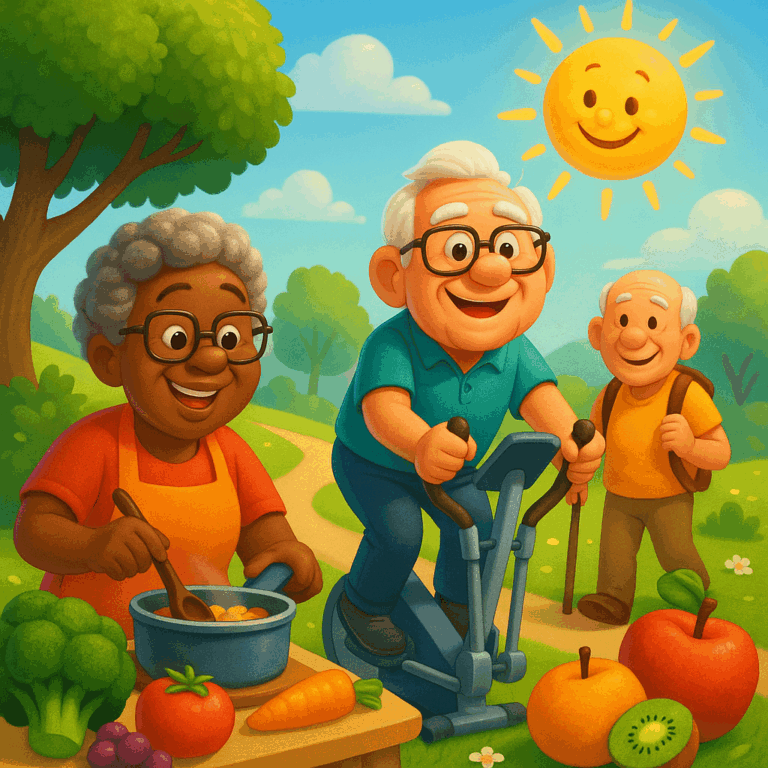 Can Simple Habits Transform Your Health After 50?
As we age, our bodies undergo various changes, and maintaining our health becomes more crucial than ever. However,…
 Are Your Emotions Sabotaging Your Weight Loss Journey?
In today’s fast-paced world, many men find themselves struggling with weight loss, often without understanding the emotional triggers…
 Can Your Diet Really Impact Autoimmune Conditions?
Living with an autoimmune condition can feel overwhelming, but did you know that your diet may play a…
Water intake
Good to know
What should I count?
Everything you drink on a typical day: plain water, herbal tea and other drinks, added up as one total.
How is my target worked out?
It is estimated from your weight, which is why the check needs it. Heat, exercise and illness all change how much you need, so treat the target as a guide.
Why does it ask about urine colour?
It's an extra clue. Pale yellow usually means you're drinking enough; dark yellow can mean you need more. Some vitamins, medicines and foods change the colour too, so choose "Not checked" if you're not sure.
Can I drink too much?
Yes. More isn't always better, especially during long endurance events. Spread your drinks through the day and drink when you're thirsty.
When should I follow other advice?
If you have a heart or kidney condition, or have been told to limit fluids, follow your clinician's advice rather than this estimate. Talk to a doctor if you are thirsty all the time or your urine stays dark.
Is this medical advice?
No. A check measures one thing at one moment and gives general information, not a diagnosis. If a result worries you, or you have symptoms, an injury or a health condition, talk to a doctor or another qualified professional.