

Resting Heart Rate
What the Resting Heart Rate Test Measures and Why It Matters
The Resting Heart Rate (RHR) Test measures how many times your heart beats per minute while your body is at rest.
It is one of the most powerful indicators of your cardiovascular efficiency, recovery, and overall fitness level.
A lower resting heart rate generally means your heart is working more efficiently, pumping more blood with each beat and requiring fewer beats to maintain circulation.
At Sneaky Helpers, we don’t just look at a single number.
We interpret your resting heart rate in the context of your age, activity level, and overall health profile, helping translate a simple measurement into a more meaningful insight about your fitness and recovery.
How the Test Works and Its Accuracy
To measure your resting heart rate accurately:
- Choose a calm, quiet environment
- Ideally measure first thing in the morning before getting out of bed
- Locate your pulse at your wrist (radial) or neck (carotid)
- Count your beats for 60 seconds (or 30 seconds and multiply by two)
For best accuracy:
- Avoid caffeine, nicotine, or intense activity beforehand
- Ensure you are well-rested
- Measure under similar conditions each time
While the method is simple, consistency is key. Repeated measurements under the same conditions provide the most reliable insight.
How to Interpret Your Results
A lower resting heart rate generally indicates better cardiovascular fitness — but the number alone does not tell the full story.
Your result is influenced by factors such as:
- fitness level
- recovery state
- stress
- hydration
- sleep quality
That’s why your result is translated into a personalized recovery and fitness signal, rather than just a fixed category.
Typical ranges:
- Below 60 bpm → Often seen in well-conditioned individuals
- 60–80 bpm → Healthy range for most people
- Above 80 bpm → May indicate stress, fatigue, or reduced cardiovascular efficiency
More importantly, trends matter.
? A rising resting heart rate over time may signal:
- fatigue or overtraining
- increased stress
- illness or poor recovery
? A decreasing resting heart rate may indicate:
- improved fitness
- better recovery
- stronger cardiovascular efficiency
Practical Guidance for Users
To improve and monitor your resting heart rate:
- Measure regularly under consistent conditions
- Track trends rather than single readings
- Prioritize sleep and recovery
- Stay hydrated
- Manage stress through breathing, relaxation, or movement
- Engage in regular aerobic exercise
If your resting heart rate remains consistently elevated or changes suddenly without explanation, consider seeking professional advice.
The Bigger Picture
The Resting Heart Rate Test adds a critical dimension to your assessment: recovery and cardiovascular efficiency.
When combined with your other tests, it helps build a more complete picture of your:
- cardiovascular fitness
- recovery status
- stress levels
- overall health
Our goal is simple:
? Turn a simple pulse reading into intelligent, personalized health insight
Log in to save your data
Track assessment results, compare progress, and keep your health profile connected across tools.
Movements that may pair well with this test result and help guide your next training step.
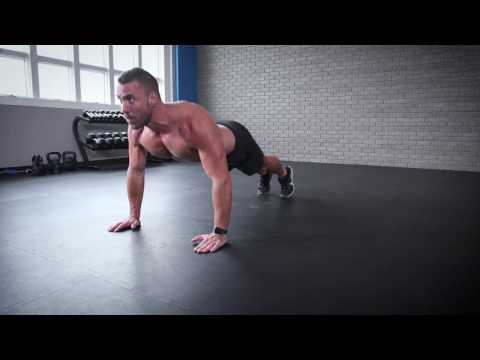 Pushup to box jump
: Exercise Guide Overview The Pushup to box jump is an explosive movement that combines…
Pushup to box jump
Pushup to box jump: Exercise Guide Overview The Pushup to box jump is an explosive movement that combines…
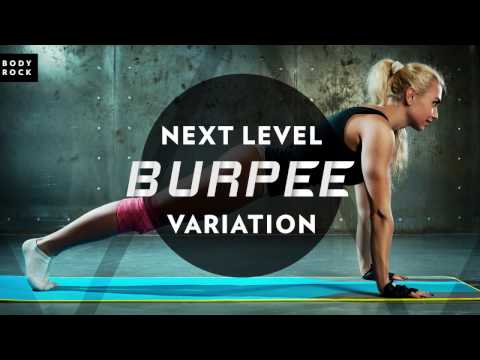 Burpee sprints
: Exercise Guide Overview Burpee sprints are a dynamic and explosive exercise that combines the traditional burpee…
Burpee sprints
Burpee sprints: Exercise Guide Overview Burpee sprints are a dynamic and explosive exercise that combines the traditional burpee…
 Burpees
: Exercise Guide Overview Burpees are a bodyweight exercise designed to enhance fitness through a slow, controlled movement…
Burpees
Burpees: Exercise Guide Overview Burpees are a bodyweight exercise designed to enhance fitness through a slow, controlled movement…
 Hop heel kicks
: Exercise Guide Overview Hop heel kicks are an explosive movement designed to improve overall fitness…
Hop heel kicks
Hop heel kicks: Exercise Guide Overview Hop heel kicks are an explosive movement designed to improve overall fitness…
Food ideas selected to support the bigger health picture around this assessment.
Short reads that add useful context without sending you on a research expedition.
 Can You Transform Your Body Without Equipment? Here’s How!
Stuck at home and wondering if you can still get fit without equipment? You’re not alone. Many people…
Can You Transform Your Body Without Equipment? Here’s How!
Stuck at home and wondering if you can still get fit without equipment? You’re not alone. Many people…
 Can Your Workout Routine Transform Chronic Conditions?
Living with chronic conditions can feel overwhelming, but integrating a tailored workout routine into your daily life can…
Can Your Workout Routine Transform Chronic Conditions?
Living with chronic conditions can feel overwhelming, but integrating a tailored workout routine into your daily life can…
 Can Exercise Really Transform Chronic Conditions Into Strength?
Living with a chronic condition can feel overwhelming, but incorporating exercise into your routine might be the key…
Can Exercise Really Transform Chronic Conditions Into Strength?
Living with a chronic condition can feel overwhelming, but incorporating exercise into your routine might be the key…
Resting Heart Rate Frequently Asked Questions
A quiet little count that can say quite a lot, especially before coffee starts giving speeches.
What fields does this test save?
It saves the beats counted and the count duration when those fields are present. If the result text includes the same information, the history tool can also pick it up from there.
When is the best time to test?
First thing in the morning, before exercise, caffeine, stress, and inbox drama get involved. Same time and same position makes the result far more useful.
Why does my resting heart rate change?
Sleep, stress, hydration, illness, medication, caffeine, temperature, and training load can all nudge it around. Your heart is not being indecisive; it is responding to the room.
Should I use one result or a trend?
Trends are better. One reading can be noisy, but several readings taken under similar conditions start to behave like actual information.
When should I get help?
If your resting heart rate is unusually high or low for you, feels irregular, or comes with chest pain, faintness, shortness of breath, or other concerning symptoms, speak to a qualified health professional promptly.