
Is Your Workout Causing More Harm Than Good?
 Injury Prevention Specialist
Guides clients in building safe movement patterns to reduce injury risk.
Injury Prevention Specialist
Guides clients in building safe movement patterns to reduce injury risk.
Many people hit the gym with the goal of improving their health, but what if their workout routine is actually causing more harm than good? As an Injury Prevention Specialist, I see countless individuals who unknowingly fall into patterns that lead to chronic strain and injuries. This article will delve into smarter workout strategies and ergonomic habits that can help you build resilience and enjoy long-term wellness.
Recognizing Harmful Patterns in Your Workout
Common Signs of Overexertion
It’s important to listen to your body. Here are some common signs that your workout may be taking a toll:
- Persistent muscle fatigue
- Joint pain that lingers post-exercise
- Decreased performance or inability to complete usual workouts
- Frequent injuries, such as sprains or strains
If you experience any of these symptoms, it might be time to reassess your fitness routine.
The Importance of Ergonomics
Ergonomics plays a crucial role in preventing injuries, not just during workouts but also in daily life. Consider these tips to improve your ergonomic habits:
- Posture Awareness: Maintain proper posture when exercising. This can prevent unnecessary strain on your back and joints.
- Workstation Setup: If you work at a desk, ensure your chair and computer are set up to promote a healthy posture. This can significantly reduce the risk of developing musculoskeletal disorders.
- Movement Variety: Incorporate different types of movement in your routine to avoid overusing specific muscle groups.
Building Resilient Movement Patterns
Smart Workout Strategies
To stay fit without injury, consider these strategies:
- Start Slowly: Increase the intensity of your workouts gradually to allow your body to adapt.
- Warm-Up and Cool Down: Always include a proper warm-up and cool down to prepare your muscles and facilitate recovery.
- Cross-Training: Engage in various forms of exercise to reduce the risk of repetitive strain injuries. This could mean alternating between running, cycling, and swimming.
- Listen to Your Body: If something feels off, don’t push through the pain. Rest is often the best medicine.
Seeking Professional Guidance
Sometimes it’s beneficial to consult with a physical therapist or a certified trainer who can provide personalized advice. They can help you identify areas of improvement in your form, movement patterns, and overall strategy. A professional touch can make all the difference in preventing injuries.
For more information on injury prevention, check out these trusted sources:
As we approach International Cancer Awareness Day on February 4th, it’s a reminder that maintaining our physical health is crucial. Regular, mindful movement can be a powerful tool in preventing chronic diseases, including cancer.
In conclusion, the key to a successful workout is not just about pushing harder but also about working smarter. Pay attention to your body, mix up your routines, and prioritize ergonomics in your daily life. These practices will not only enhance your performance but protect your body in the long run. Take these steps to create a resilient and sustainable fitness journey that keeps injuries at bay.
More articles for you
 What You Need to Know About Travel Vaccinations in 2023?
Traveling to new destinations can be thrilling, but it also comes with health risks that need to be…
What You Need to Know About Travel Vaccinations in 2023?
Traveling to new destinations can be thrilling, but it also comes with health risks that need to be…
 Are Your Workouts Causing Chronic Pain? Here’s How to Tell
In today’s fast-paced world, many people are committed to their fitness routines, but what if those very workouts…
Are Your Workouts Causing Chronic Pain? Here’s How to Tell
In today’s fast-paced world, many people are committed to their fitness routines, but what if those very workouts…
 Is Your Travel Health Preparedness Up to Par?
Traveling is one of life’s greatest joys, but it can also pose unexpected health risks. From tropical diseases…
Is Your Travel Health Preparedness Up to Par?
Traveling is one of life’s greatest joys, but it can also pose unexpected health risks. From tropical diseases…
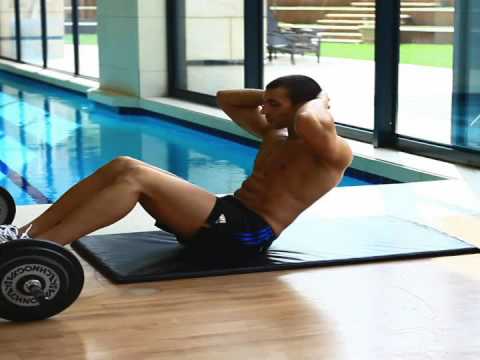 Sit ups
: Exercise Guide Overview Sit ups are a slow, controlled exercise focusing primarily on strengthening the abdominal…
Sit ups
Sit ups: Exercise Guide Overview Sit ups are a slow, controlled exercise focusing primarily on strengthening the abdominal…
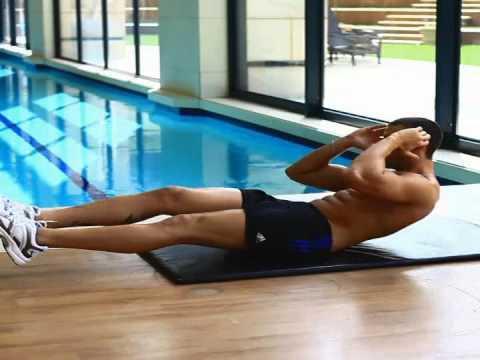 Alternating sit ups
: Exercise Guide Overview Alternating sit ups are a slow, controlled movement primarily targeting the abdominal…
Alternating sit ups
Alternating sit ups: Exercise Guide Overview Alternating sit ups are a slow, controlled movement primarily targeting the abdominal…
 Crunches
: Exercise Guide Overview Crunches are a slow, controlled exercise designed to strengthen the abdominal muscles. This movement…
Crunches
Crunches: Exercise Guide Overview Crunches are a slow, controlled exercise designed to strengthen the abdominal muscles. This movement…