
Are Your Workouts Causing Chronic Pain? Here’s How to Tell
 Injury Prevention Specialist
Guides clients in building safe movement patterns to reduce injury risk.
Injury Prevention Specialist
Guides clients in building safe movement patterns to reduce injury risk.
In today’s fast-paced world, many people are committed to their fitness routines, but what if those very workouts are setting you up for chronic pain? It’s essential to recognize the signs that your exercise habits may be leading you down a path of discomfort.
Understanding Movement Patterns
What Are Resilient Movement Patterns?
Resilient movement patterns refer to the way your body naturally moves and adapts to physical strain. These patterns are crucial for preventing injuries and chronic pain. When you engage in physical activities, whether it’s lifting weights or running, your body should ideally follow these resilient patterns to minimize the risk of strain.
Signs of Poor Movement Patterns
Recognizing poor movement patterns can prevent chronic pain. Here are some signs to watch for:
- Persistent soreness: If muscle soreness lasts more than a few days after a workout.
- Joint pain: Any discomfort in joints during or after exercise.
- Fatigue: Feeling excessively tired after workouts that used to energize you.
- Reduced range of motion: Difficulty performing movements you could do easily before.
Smarter Workouts: Tips to Avoid Chronic Strain
To build resilient movement patterns, consider the following strategies:
- Warm-Up Properly: Always start with a dynamic warm-up to prepare your muscles and joints for exercise.
- Focus on Form: Quality over quantity. Prioritize correct form over the number of reps or weight lifted.
- Cross-Train: Incorporate different types of workouts to strengthen various muscle groups and avoid overuse.
- Listen to Your Body: Pay attention to how your body responds during and after workouts. Adjust your routine accordingly.
- Rest and Recover: Ensure you give your body adequate time to recover between intense workouts.
- Ergonomics Matter: Apply ergonomic principles in your daily life to support your body during non-exercise hours.
Ergonomic Lifestyle Habits
The way you live outside the gym can significantly affect your body’s resilience. Here are some ergonomic tips to incorporate:
- Workstation Setup: Ensure your desk and chair promote good posture.
- Active Breaks: Take short, active breaks during prolonged sitting.
- Mindful Movements: Pay attention to how you lift objects, bend, or reach throughout the day.
For more information on preventing injuries and chronic pain, check these trusted sources:
Final Thoughts
Incorporating smarter workout strategies and ergonomic habits into your routine can significantly reduce the risk of chronic pain. Remember, fitness should enhance your life, not inhibit it. Prioritize your body’s health, and you’ll reap the benefits of a more resilient, pain-free existence.
Take the first step today: assess your current workout routines and daily habits to ensure they align with your body’s needs. Your future self will thank you for it!
More articles for you
 Is Your Travel Health Preparedness Up to Par?
Traveling can be one of the most enriching experiences of your life, but it also comes with health…
Is Your Travel Health Preparedness Up to Par?
Traveling can be one of the most enriching experiences of your life, but it also comes with health…
 Are You Truly Protected? The Realities of Vaccine Efficacy
Vaccination is a critical component of public health, but how well do we really understand the efficacy of…
Are You Setting Yourself Up for Injury? Rethink Your Workouts!
In a world where fitness trends come and go, one thing remains constant: the importance of injury prevention.…
Are You Truly Protected? The Realities of Vaccine Efficacy
Vaccination is a critical component of public health, but how well do we really understand the efficacy of…
Are You Setting Yourself Up for Injury? Rethink Your Workouts!
In a world where fitness trends come and go, one thing remains constant: the importance of injury prevention.…
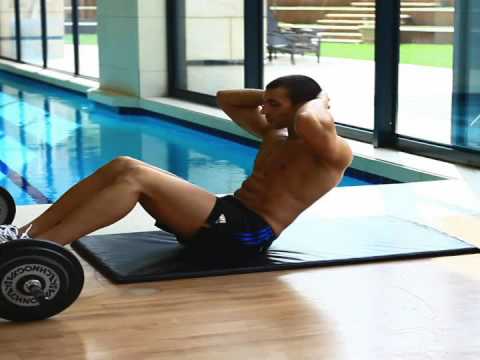 Sit ups
: Exercise Guide Overview Sit ups are a slow, controlled exercise focusing primarily on strengthening the abdominal…
Sit ups
Sit ups: Exercise Guide Overview Sit ups are a slow, controlled exercise focusing primarily on strengthening the abdominal…
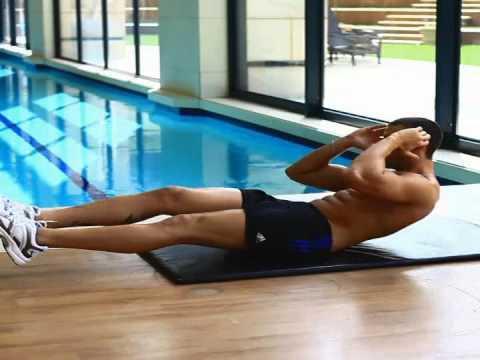 Alternating sit ups
: Exercise Guide Overview Alternating sit ups are a slow, controlled movement primarily targeting the abdominal…
Alternating sit ups
Alternating sit ups: Exercise Guide Overview Alternating sit ups are a slow, controlled movement primarily targeting the abdominal…
 Crunches
: Exercise Guide Overview Crunches are a slow, controlled exercise designed to strengthen the abdominal muscles. This movement…
Crunches
Crunches: Exercise Guide Overview Crunches are a slow, controlled exercise designed to strengthen the abdominal muscles. This movement…