
Is Your Workout Making You Weak? The Hidden Dangers of Strain
 Injury Prevention Specialist
Guides clients in building safe movement patterns to reduce injury risk.
Injury Prevention Specialist
Guides clients in building safe movement patterns to reduce injury risk.
In our quest for fitness, we often forget that not all workouts are created equal. While pushing our limits is a part of any fitness journey, understanding how to do so safely is crucial. This article explores the hidden dangers of chronic strain and how to build resilient movement patterns that protect your body.
Recognizing Chronic Strain in Your Workouts
What is Chronic Strain?
Chronic strain refers to the continuous stress placed on muscles and joints, often resulting from repetitive movements or poor form during exercise. This can lead to injuries that may not be immediately apparent but can cause long-term damage. Here are some signs to watch for:
- Persistent aches or pains in muscles or joints
- Reduced range of motion
- Fatigue that lasts longer than usual after workouts
- Swelling in specific areas
By identifying these signs early, you can take steps to adjust your workouts and prevent serious injuries.
Smart Workouts: How to Train Safely
Creating a smart workout plan involves more than just picking exercises you enjoy. Here are some tips to keep in mind:
- Focus on Form: Prioritize correct posture and technique over lifting heavier weights.
- Mix It Up: Incorporate a variety of exercises to avoid overusing specific muscle groups.
- Listen to Your Body: If something doesn’t feel right, don’t ignore it. Rest and recover before pushing through the pain.
- Warm-Up and Cool Down: Prepare your body for activity and help it recover afterward to reduce the risk of strain.
- Consult a Professional: If you’re unsure about your form or workout plan, consider working with a qualified trainer.
Ergonomic Lifestyle Habits
In addition to smart workouts, your daily habits can significantly impact your physical wellness. Here are some ergonomic practices to consider:
- Workstation Setup: Ensure your desk and chair support good posture.
- Proper Lifting Techniques: Bend at the knees and keep loads close to your body.
- Breaks and Movement: Take regular breaks to stretch and move around, especially if you’re sitting for long periods.
- Footwear Matters: Choose supportive shoes to reduce strain on your feet and joints.
For further reading on the importance of ergonomic practices, you can check out these resources:
Incorporating these strategies into your routine can help you build resilience against chronic strain. Remember, it’s not just about working hard but also about working smart.
Conclusion: Take Control of Your Wellness
The journey to fitness should empower you, not leave you in pain. By being mindful of your workout regimen and daily habits, you can cultivate a lifestyle that promotes strength and longevity. Make adjustments today, and remember: smarter workouts lead to a healthier tomorrow.
More articles for you
 Why Are You Still Not Swimming Faster? The Hidden Barriers
Swimming is often touted as one of the most rewarding forms of exercise, yet many swimmers find themselves…
Why Are You Still Not Swimming Faster? The Hidden Barriers
Swimming is often touted as one of the most rewarding forms of exercise, yet many swimmers find themselves…
 Could Nature Be Your Best Fitness Coach This Season?
When it comes to fitness, the great outdoors can offer a unique playground for all levels of enthusiasts.…
Could Nature Be Your Best Fitness Coach This Season?
When it comes to fitness, the great outdoors can offer a unique playground for all levels of enthusiasts.…
 How Outdoor Workouts Transform Your Fitness Journey?
Embracing the great outdoors can revolutionize your fitness routine. Natural environments offer unique opportunities to engage in strength,…
How Outdoor Workouts Transform Your Fitness Journey?
Embracing the great outdoors can revolutionize your fitness routine. Natural environments offer unique opportunities to engage in strength,…
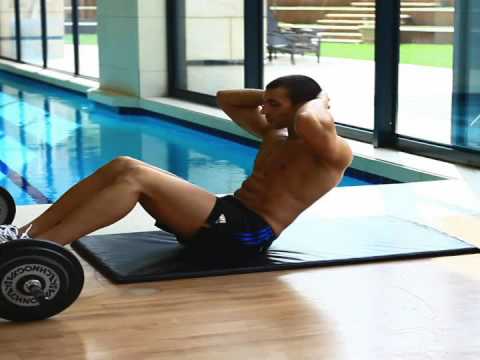 Sit ups
: Exercise Guide Overview Sit ups are a slow, controlled exercise focusing primarily on strengthening the abdominal…
Sit ups
Sit ups: Exercise Guide Overview Sit ups are a slow, controlled exercise focusing primarily on strengthening the abdominal…
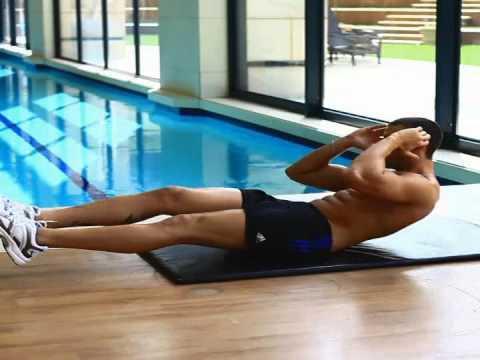 Alternating sit ups
: Exercise Guide Overview Alternating sit ups are a slow, controlled movement primarily targeting the abdominal…
Alternating sit ups
Alternating sit ups: Exercise Guide Overview Alternating sit ups are a slow, controlled movement primarily targeting the abdominal…
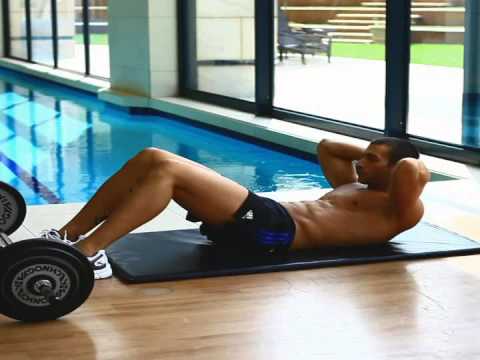 Crunches
: Exercise Guide Overview Crunches are a slow, controlled exercise designed to strengthen the abdominal muscles. This movement…
Crunches
Crunches: Exercise Guide Overview Crunches are a slow, controlled exercise designed to strengthen the abdominal muscles. This movement…