
Is Your Workout Causing More Harm Than Good?
 Injury Prevention Specialist
Guides clients in building safe movement patterns to reduce injury risk.
Injury Prevention Specialist
Guides clients in building safe movement patterns to reduce injury risk.
Every year, countless individuals hit the gym with the goal of improving their health, but many unknowingly fall into the trap of poor movement patterns. Straining the body can lead to chronic injuries that thwart progress and diminish motivation. So, how can you ensure your workouts are actually benefiting you instead of causing harm?
Building Resilient Movement Patterns
Understanding Your Body’s Mechanics
To optimize your workout and minimize injury risk, start by understanding your body’s mechanics. Each movement has a specific alignment and form that maximizes efficiency while reducing strain. Here are some key points to consider:
- Posture Matters: Maintain a neutral spine during exercises.
- Warm-Up: Prepare your muscles with dynamic stretches before any workout.
- Listen to Your Body: Recognize the difference between discomfort and pain. If something doesn’t feel right, it’s essential to adjust or stop.
The Role of Ergonomics in Your Lifestyle
Ergonomics isn’t just for office workers; it applies to everyone. Adopting ergonomic principles in daily life can significantly reduce the risk of chronic strain. Here’s how:
- Workstation Setup: Ensure your workspace promotes good posture. Your screen should be at eye level, and your chair should support your lower back.
- Proper Lifting Techniques: Always bend at the knees when lifting heavy objects, not at the waist.
- Frequent Breaks: If you’re sitting for long periods, take regular breaks to stretch and move around.
These strategies can drastically change how your body feels during and after workouts.
Tips for Smart Workouts
- Cross-Train: Incorporate different types of exercise to avoid overuse injuries. Balance strength training with cardio and flexibility work.
- Gradual Progression: Increase your workout intensity gradually—aim for no more than a 10% increase in weight or duration each week.
- Recovery Time: Schedule rest days to allow your muscles to repair and grow stronger.
Additional Resources
For more information on injury prevention and healthy movement patterns, consider these trusted sources:
- Mayo Clinic: Exercise Tips
- WebMD: Injury Prevention
- World Health Organization: Physical Activity
- CDC: Physical Activity Basics
Conclusion
By adopting smarter workout techniques and ergonomic lifestyle habits, you can enjoy the benefits of exercise without the accompanying pain. Remember, the goal is not just to work hard but to work smart. Make these adjustments today and watch how your body responds positively to your efforts.
As you embrace these changes, keep in mind that your body is your most important tool. Treat it with care, and it will reward you with improved performance and resilience.
More articles for you
 Can Fitness Transform Your Health with Chronic Conditions?
Living with chronic conditions can feel daunting, but incorporating fitness into your routine can be a game-changer. Exercise…
Can Fitness Transform Your Health with Chronic Conditions?
Living with chronic conditions can feel daunting, but incorporating fitness into your routine can be a game-changer. Exercise…
 Are You Making These Common Mistakes in Your Workout Routine?
In our quest for fitness, we often overlook the small details that can lead to significant setbacks. From…
Are You Making These Common Mistakes in Your Workout Routine?
In our quest for fitness, we often overlook the small details that can lead to significant setbacks. From…
 Can Exercise Really Transform Chronic Conditions Into Strength?
Living with a chronic condition can feel overwhelming, but incorporating exercise into your routine might be the key…
Can Exercise Really Transform Chronic Conditions Into Strength?
Living with a chronic condition can feel overwhelming, but incorporating exercise into your routine might be the key…
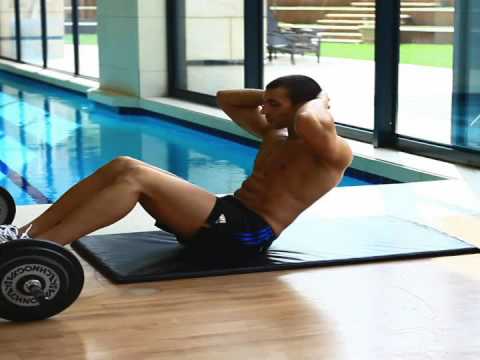 Sit ups
: Exercise Guide Overview Sit ups are a slow, controlled exercise focusing primarily on strengthening the abdominal…
Sit ups
Sit ups: Exercise Guide Overview Sit ups are a slow, controlled exercise focusing primarily on strengthening the abdominal…
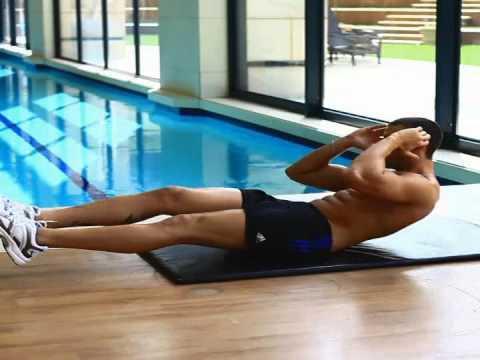 Alternating sit ups
: Exercise Guide Overview Alternating sit ups are a slow, controlled movement primarily targeting the abdominal…
Alternating sit ups
Alternating sit ups: Exercise Guide Overview Alternating sit ups are a slow, controlled movement primarily targeting the abdominal…
 Crunches
: Exercise Guide Overview Crunches are a slow, controlled exercise designed to strengthen the abdominal muscles. This movement…
Crunches
Crunches: Exercise Guide Overview Crunches are a slow, controlled exercise designed to strengthen the abdominal muscles. This movement…