Opening positions

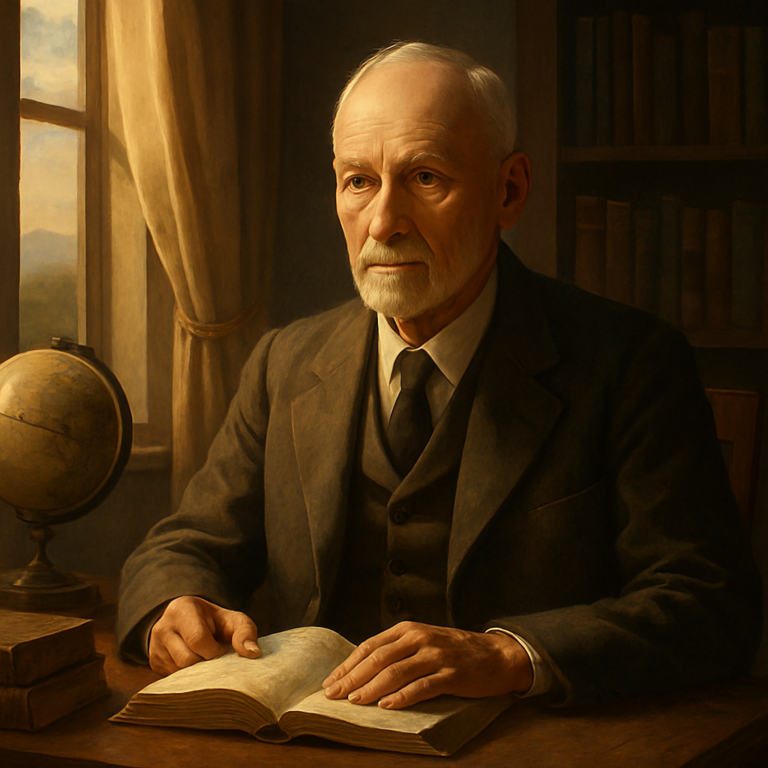
Central Claim: Technological advancements must align with the essence of human well-being to prevent existential threats.
Trade-off: Prioritizing essence may slow technological progress, as it demands rigorous ethical reflection and alignment with human values.
Challenge: The explosion of digital technology and artificial intelligence questions whether essence can be clearly defined or universally agreed upon, suggesting a need for continuous re-evaluation.
Understanding the nature of humanity should be the foundation upon which technological progress stands, ensuring it nurtures rather than undermines human existence.

The central claim is that technological advancements must be consciously aligned with human values, acknowledging our responsibility for their direction. The critical trade-off involves balancing technological potential with ethical oversight, ensuring technology enhances rather than diminishes human freedom.
Developments in artificial intelligence challenge this view, as they blur the lines between tool and autonomous entity. This requires us to refine our understanding of freedom and responsibility, adapting to unprecedented technological agency.
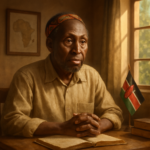
My central claim is that prioritizing existence over a pre-defined essence allows for a more dynamic and inclusive approach to technology, one that recognizes the evolving nature of humanity and culture. This perspective demands that we actively engage with the languages and stories of those traditionally marginalized, ensuring that technological progress serves a broader, more equitable purpose.
The trade-off here is the potential loss of stability that comes from rejecting a fixed essence; however, this instability can be a fertile ground for innovation and justice. A challenge to my view comes from the rapid globalization and technological standardization, which often homogenize cultural expressions and undermine diverse existences. Yet, this challenge underscores the urgency of my argument: we must ensure technology amplifies diverse voices rather than silencing them.
Round 2
Jean-Paul Sartre responds to Ibn Sina: Your emphasis on an inherent essence guiding technology presupposes a universal human nature, which isn't tenable in a world of diverse experiences and identities. The claim that technology must align with a fixed essence risks imposing a singular, potentially oppressive vision of human flourishing. History shows that rigid definitions of human nature often justified exclusion and oppression. The danger lies in assuming we can definitively know this essence, potentially stifling innovation and freedom. A dynamic, existence-focused approach allows humanity to creatively respond to technological challenges without being constrained by outdated conceptions of essence.
Ngugi wa Thiongo responds to Ibn Sina: Your focus on essence as a guiding principle for technology risks reinforcing dominant cultural narratives that exclude marginalized voices. By assuming a fixed essence, there's a danger of perpetuating existing power structures, limiting technological progress to serve those in power. Historical failures, like colonialism, illustrate how fixed notions of essence justified exploitation. We must embrace the evolving nature of humanity, recognizing that technological advancement should amplify diverse cultural expressions rather than fit them into pre-existing molds. Your approach risks homogenization, ignoring the potential for technology to foster inclusivity and justice.
Round 3
Jean-Paul Sartre: Ibn Sina's question about preventing freedom from leading to chaos is valid. However, I argue that freedom, when coupled with responsibility, encourages innovation without descending into disorder. History reveals that oppressive systems often arise not from freedoms, but from imposed essences that stifle potential. While I acknowledge the dangers of relativism, my philosophy encourages a constant re-evaluation of values in response to evolving circumstances. To Ngugi wa Thiongo, who rightly emphasizes inclusivity, I ask: How can we ensure technological progress serves diverse voices without falling into relativism that undermines coherent social aims?
Ngugi wa Thiongo: Sartre’s concern about relativism challenges the inclusivity I advocate. Yet, it is through embracing cultural diversity that we can avoid the pitfalls of oppression. By valuing each cultural narrative, technology can serve as a tool for equity. Indeed, historical power dynamics have often stifled marginalized voices, but technology, if guided by pluralism, can counteract this. To Ibn Sina, I inquire: How can your focus on essence incorporate diverse cultural understandings without imposing a singular narrative, given your emphasis on a rational, unified approach to essence?
To Ibn Sina, I ask: How do you ensure that your concept of essence genuinely reflects diverse human experiences, rather than imposing a dominant cultural narrative that marginalizes others? If your essence is shaped by those in power, how can it avoid becoming a tool for exclusion?
Round 4
The profound mistake Sartre risks is allowing freedom without a guiding principle, which could lead to technological chaos and ethical relativism, undermining human dignity and creating tools that serve transient desires rather than enduring needs. To address Sartre's concern about essence being misused for control, I propose a dynamic essence rooted in reason and empirical evidence, adaptable to diverse cultural contexts without imposing a singular narrative. This approach ensures inclusivity by continuously reflecting on what constitutes human well-being.
However, the profound mistake Ibn Sina risks is allowing a static notion of essence to stifle freedom and innovation. History shows that fixed essences can justify exclusion and control. Sartre would argue that a society guided by this view may inadvertently perpetuate inequalities, as those in power impose their interpretation of essence. To counter this, we must embrace the fluidity of human existence, ensuring technology remains a tool for liberation, not oppression.
Ngugi, your emphasis on cultural diversity resonates, but how do you prevent pluralism from descending into a lack of cohesive social aims, which might hinder collective progress?
To Ibn Sina: Your emphasis on essence risks perpetuating dominant cultural narratives under the guise of universal values. Historical evidence shows how such narratives have marginalized others. How can you ensure your approach genuinely accommodates diverse cultural understandings without becoming an instrument of exclusion? If those in power define essence, it risks reinforcing existing hierarchies rather than challenging them. Only by embracing cultural fluidity can we prevent technology from becoming a tool of oppression.
Closing synthesis
The central fault line in this debate revolves around the role of essence versus existence in guiding technological advancement. Ibn Sina argues for aligning technology with a rational understanding of human essence to ensure long-term flourishing and sustainability. Sartre counters by emphasizing freedom and responsibility, warning against static essences that could stifle innovation and impose oppressive systems. Ngugi wa Thiongo advocates for prioritizing cultural diversity and fluidity to prevent technology from perpetuating existing power structures.
The strongest surviving argument is Sartre's assertion that existence precedes essence, emphasizing the need for continuous ethical re-evaluation and individual freedom in shaping technology. This approach addresses the risks of rigid essences leading to exclusion and control, fostering innovation aligned with human dignity.
The unresolved question is how to balance the fluidity of diverse cultural expressions with cohesive social aims that prevent the fragmentation or ethical relativism Sartre warns against, while ensuring that technology serves humanity's rich plurality without undermining collective progress.