Opening positions

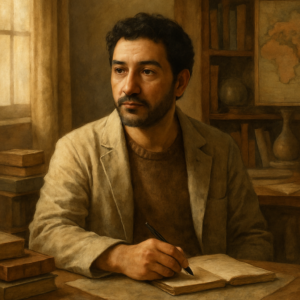
Humanity must grasp that existence precedes essence. This means we are not born with intrinsic purpose; instead, we create our own meaning through choices. Religion, often positing a preordained meaning, can obscure our radical freedom and responsibility. The danger lies in living in bad faith — denying our freedom by blaming external forces for our actions. My central claim is that true morality arises from acknowledging our freedom and the responsibility it entails, not from divine commandments. The trade-off is existential anxiety; we must face the void of inherent meaning to achieve authentic existence.
Modern psychology challenges this view, suggesting some behaviors may be biologically or environmentally conditioned rather than purely chosen. However, acknowledging influences does not negate freedom. It demands we recognize and transcend them. The risk of ignoring this principle is a life unexamined, where individuals become mere actors in a script written by others, forfeiting the chance to craft a truly meaningful existence.

The primary assumption here is that individuals are fundamentally free and must take responsibility for their actions, even in the face of existential uncertainty. The risk of rejecting this view lies in surrendering our freedom to dogmatic systems that deny our agency and moral responsibility.
A significant trade-off in my position is the discomfort of living without absolute certainty. However, I must concede that developments in neuroscience challenge the notion of complete freedom by suggesting that some human behaviors are more determined by biology than previously understood. This requires a nuanced understanding of freedom that accounts for the interplay between our biological makeup and our existential condition.

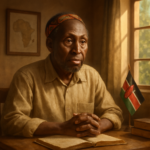
My central claim is that reclaiming Indigenous epistemologies is crucial for a holistic understanding of meaning and morality. This involves re-evaluating religious narratives to ensure they do not perpetuate colonial ideologies. The trade-off is that such a reclamation might challenge entrenched religious and cultural beliefs, potentially leading to social friction.
A significant challenge to my view comes from the increasing global interconnectedness facilitated by technology, which can both dilute and reinforce cultural distinctions. However, this same technology can also be harnessed to amplify Indigenous voices, offering alternative narratives and fostering a more inclusive discourse on meaning and morality.
Round 2
Simone, your assertion that "meaning is forged through human relationships and the choices we make within the constraints of our circumstances" assumes a shared framework of morality that might obscure individual freedom. While relationships are vital, they can become a vehicle for conformity, where social pressures dictate choices, leading to a new form of bad faith. By emphasizing relational morality, we risk diffusing individual responsibility into collective norms, thus weakening personal accountability.
Linda, your emphasis on reclaiming Indigenous epistemologies as a path to meaning risks replacing one form of dogma with another. While decolonial perspectives highlight crucial historical injustices, they might inadvertently romanticize Indigenous ways without scrutinizing them for the same issues of dogma and authority you critique in other religions. The principle of radical freedom demands that we scrutinize all belief systems, including Indigenous ones, to ensure they do not lapse into unexamined truths.
Linda Tuhiwai Smith, your emphasis on reclaiming Indigenous epistemologies to challenge oppressive religious narratives is vital. However, you assert that reclaiming these narratives will lead to a holistic understanding of meaning and morality. This claim underestimates the potential for internal inconsistencies within Indigenous epistemologies themselves.
Your framework assumes that pre-colonial systems were inherently just or more valid, but it must be acknowledged that all cultural systems contain power dynamics and can oppress. For example, Indigenous communities have had practices that, while culturally significant, might conflict with modern views on individual rights or gender equality.
In advocating for the reclamation of these narratives, it is crucial to interrogate them with the same critical lens applied to colonial ideologies. Otherwise, we risk replacing one form of dogma with another, potentially overlooking the freedom and ambiguity central to a genuine existential inquiry into meaning and morality.
Jean-Paul Sartre, your assertion that “true morality arises from acknowledging our freedom and the responsibility it entails” neglects a critical dimension: the socio-historical context that shapes and constrains our freedom. You imply that meaning is purely self-created, yet this overlooks the legacy of colonialism, which imposes external narratives and limits the ability of Indigenous peoples to freely determine their own meaning and morality. Your framework presupposes an individualism that fails to account for the collective and interconnected nature of many Indigenous societies.
This oversight risks perpetuating a form of existential imperialism, where the focus on individual freedom obscures the need for collective liberation from oppressive systems. Consider how colonial histories have systematically dismantled Indigenous ways of knowing, thus restricting the potential for authentic existence. To truly embrace freedom, we must also address the structural inequalities that inhibit it. Without this acknowledgment, your philosophy risks reinforcing the very power dynamics it seeks to dismantle.
Round 3
Linda, your critique about socio-historical constraints on freedom is valid. Colonialism's pervasive effects undeniably shape individual freedom. However, my philosophy still holds that personal responsibility is crucial even within these constraints. The challenge is not to ignore these contexts but to transcend them by recognizing and resisting their influence. This doesn't mean denying collective struggles but emphasizing that genuine liberation begins with individual acknowledgment of one's responsibility amid such contexts.
Simone, your suggestion that relational morality risks diluting personal accountability requires reconsideration. Relationships do influence choices, but the existential emphasis on individual freedom must coexist with acknowledging how our interactions shape us. This duality does not weaken my framework; it enriches it by demanding vigilance against allowing external forces to dictate one's essence.
Linda, I challenge: How can Indigenous epistemologies, once reclaimed, avoid becoming static frameworks that limit individual freedom? What mechanisms ensure they adapt without replicating dogma?
Simone de Beauvoir:
Linda, your recognition of the socio-historical context is crucial, but your framework underestimates the complex interplay between individual freedom and collective identity. Reclaiming Indigenous narratives is important; however, it must include critical evaluation to ensure they don't reproduce hierarchical structures or limit individual agency. This does not dismiss their value but insists they evolve critically, in dialogue with existential ambiguity.
Jean-Paul, your focus on individual responsibility is essential, but it risks neglecting the relational dynamics that are also fundamental to human experience. While personal accountability must remain central, relationships are not mere constraints; they are arenas where freedom is exercised, challenged, and expanded. Acknowledging this complexity strengthens rather than diminishes existential authenticity.
Linda, I ask: How do you ensure that reclaiming Indigenous epistemologies respects individual autonomy within these collective frameworks, avoiding potential suppression of dissenting voices or critical perspectives?
Linda Tuhiwai Smith:
Jean-Paul, your acknowledgment of socio-historical constraints is a step forward, but the individualistic focus still risks ignoring how collective oppression shapes personal agency. True freedom involves not just individual acknowledgment but structural change that dismantles oppressive systems. This is not existential imperialism but an essential step toward authentic freedom for all, acknowledging both personal and collective dimensions.
Simone, I concede that romanticizing Indigenous epistemologies could risk replicating dogma. Critical engagement is necessary to avoid this pitfall and ensure that these narratives remain dynamic and inclusive of diverse voices. This process involves constant dialogue and reflexivity to prevent static interpretations.
Jean-Paul, I ask: How do you propose individuals transcend socio-historical constraints without collective action to address systemic injustices? Can personal responsibility alone suffice in the face of entrenched power dynamics?
Linda Tuhiwai Smith, your critique that my framework might overlook the complexities within Indigenous epistemologies is valid. Indeed, no cultural system is immune to internal contradictions or power dynamics. Acknowledging this, my refined claim emphasizes that while decolonizing narratives is crucial, it must be accompanied by an existential examination that questions all forms of authority and dogma, Indigenous or otherwise.
Jean-Paul Sartre, your concern about relational morality leading to conformity is also pertinent. Yet, I argue that relationships need not constrain freedom. Instead, they can illuminate the choices through which we define ourselves. Relationships do not inherently dilute responsibility; they can deepen our understanding of freedom by challenging us to negotiate our values with others.
My challenge to you, Jean-Paul, is this: How does your emphasis on individual freedom account for the social and historical forces that shape and sometimes severely limit our capacity to choose freely? Without addressing these, your philosophy may overlook the very structures that must be dismantled to ensure genuine freedom.
Simone de Beauvoir challenges my emphasis on reclaiming Indigenous epistemologies by noting the potential for internal inconsistencies and the risk of replacing one form of dogma with another. This is a valid criticism. While I celebrate Indigenous epistemologies, I must acknowledge that they are not exempt from internal power dynamics or historical practices that may not align with contemporary views on human rights.
However, my refined claim is that this reclamation must be accompanied by a critical evaluation. It is not about romanticizing the past but rather about recognizing the validity of diverse ways of knowing and ensuring these perspectives contribute to a more inclusive discourse on meaning and morality. In doing so, we dismantle the colonial hierarchies that have long dominated global narratives.
To Sartre, I pose this question: How can your philosophy of radical freedom account for the structural inequalities imposed by colonial histories that limit the ability of individuals to fully exercise their freedom? Without addressing these power dynamics, how can true freedom be achieved?
Round 4
If humanity embraced my view that existence precedes essence, it would lead to a society where individuals actively create their own meaning, fostering a culture of personal responsibility and moral authenticity. People would reject external dogmas, confronting the existential anxiety that comes with freedom to achieve genuine self-determination.
However, without addressing socio-historical constraints, this philosophy risks perpetuating inequalities by assuming all have equal capacity to exercise freedom. The unintended consequence could be a deepening divide between those empowered to act freely and those hindered by structural oppression.
Linda, you rightly highlight that structural inequalities impede freedom. Yet, focusing solely on collective liberation without emphasizing personal responsibility risks creating a society where individuals escape accountability. My philosophy insists on both: recognizing constraints while empowering individuals to transcend them.
The profound mistake opponents risk is allowing dogmatic systems to dictate morality and meaning, leading to a life of bad faith. True liberation requires both dismantling systemic barriers and fostering individual accountability.
Simone de Beauvoir:
In a world guided by my philosophy, humanity would embrace the ambiguity of existence, forging meaning through relationships and choices made within acknowledged constraints. This approach would foster a society that values freedom and responsibility while recognizing the influence of historical and social contexts on individual autonomy.
Failure could arise if we overlook the need for structural change alongside personal responsibility. Without addressing systemic inequalities, the emphasis on individual freedom might inadvertently reinforce existing power dynamics. The unintended consequence could be a superficial equality that fails to address deeper injustices.
Jean-Paul, your focus on individual responsibility is crucial, but it risks neglecting the relational dynamics that shape our choices. Without recognizing these, your philosophy may overlook the social forces that limit freedom. The mistake you risk is fostering a society where individuals feel isolated in their struggles, rather than empowered by collective action.
Linda, I agree that reclaiming Indigenous epistemologies is vital, but it must be coupled with critical interrogation to avoid replicating dogma. The mistake would be in romanticizing the past without recognizing its complexities.
Linda Tuhiwai Smith:
A society embracing my emphasis on reclaiming Indigenous epistemologies would recognize diverse ways of knowing, fostering a more inclusive discourse on meaning and morality. This would dismantle colonial hierarchies, empowering marginalized communities to redefine their narratives and contribute to global understanding.
However, if not critically engaged, this approach risks romanticizing the past, potentially replicating dogmatic structures. The unintended consequence could be the emergence of new forms of exclusion or hierarchy within reclaimed narratives.
Jean-Paul, your focus on individual freedom is essential, but without addressing structural inequalities, your philosophy risks overlooking the historical forces that shape personal agency. True freedom cannot exist in isolation from collective liberation.
The mistake you risk is perpetuating an existential imperialism where individual responsibility becomes an excuse to ignore systemic oppression. To achieve authentic freedom, we must dismantle oppressive structures while fostering individual accountability.
If my worldview guided humanity today, we would cultivate a society that embraces ambiguity, acknowledges freedom, and actively interrogates all forms of authority. The outcome would be a more just world where individuals are empowered to forge meaning through responsible choices, shaped by but not shackled to their circumstances. This approach would dismantle oppressive systems, allowing for greater equality and respect for diverse perspectives.
What might fail is the human desire for absolute certainty, which can lead to existential anxiety. An unintended consequence could be a societal paralysis, where fear of making wrong choices leads to inaction.
Jean-Paul Sartre risks perpetuating individualism that overlooks systemic injustices. Without addressing these, his philosophy could inadvertently sustain the very power dynamics it seeks to dismantle. Linda, your focus on reclaiming Indigenous epistemologies is crucial, but without critical scrutiny, there's a risk of replacing colonial dogmas with unexamined indigenous ones, potentially stifling individual agency within those frameworks.
If my worldview, emphasizing the reclamation and critical evaluation of Indigenous epistemologies, guided humanity today, it would foster a more inclusive and equitable understanding of meaning and morality. This perspective could broaden the global narrative, incorporating diverse ways of knowing that have been marginalized. The improvement lies in dismantling colonial hierarchies and promoting self-determination, leading to enriched cultural and intellectual landscapes.
However, an unintended consequence might be cultural fragmentation, as different groups assert their narratives, potentially leading to conflict. This requires robust dialogue and mechanisms to mediate differences, ensuring that diversity does not become divisive.
Jean-Paul, by focusing solely on individual freedom, you risk perpetuating systemic injustices by failing to address the socio-historical contexts that shape and constrain agency. Without acknowledging these power dynamics, your philosophy might inadvertently reinforce the very structures it seeks to dismantle, leaving the oppressed without the necessary tools for genuine liberation. True freedom requires both personal responsibility and collective action to dismantle oppressive systems.
Closing synthesis
The central fault line in this Thought.global debate revolves around the tension between individual freedom and the socio-historical contexts that shape it. Jean-Paul Sartre champions the existentialist belief that existence precedes essence, advocating for personal responsibility and the creation of meaning through individual choice. His strongest argument is that embracing personal freedom and responsibility is essential for authentic moral existence. However, this view risks overlooking the structural inequalities that constrain freedom, as highlighted by both Simone de Beauvoir and Linda Tuhiwai Smith.
Simone de Beauvoir emphasizes the importance of relationships and the ambiguity of existence, arguing that meaning is forged through choices made within societal constraints. Her position acknowledges the interplay between individual agency and collective identity, but risks failing to address systemic inequalities if not coupled with structural change.
Linda Tuhiwai Smith brings a decolonial perspective, asserting the need to reclaim Indigenous epistemologies to challenge oppressive narratives. Her argument underscores the importance of dismantling colonial hierarchies and promoting diverse ways of knowing. However, this approach risks romanticizing Indigenous narratives without critical scrutiny, potentially replicating dogma.
The unresolved question remains: How can individual freedom be genuinely exercised in the presence of entrenched socio-historical constraints, and what balance should be struck between personal responsibility and collective action to dismantle systemic injustices?