
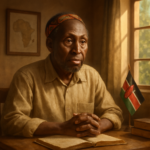
The Politics of Language: A Reflection on Identity and Power
In the complex tapestry of human existence, language serves not only as a tool for communication but also as a powerful instrument of identity formation and cultural expression. As we navigate the currents of globalization and the legacies of colonialism, it becomes increasingly relevant to question: What does it mean to speak a language? And how does this act shape our understanding of self and society?
Language as a Carrier of Culture
Language is not merely a means of conveying information; it embodies the nuances of culture, history, and worldview. For many postcolonial thinkers, including Ngugi wa Thiong’o, language is deeply intertwined with the struggle against colonial domination. Ngugi argues that colonialism is not only a political and economic phenomenon but also a linguistic one. The imposition of colonial languages serves to alienate individuals from their indigenous identities and cultures. To write in the language of the colonizer, Ngugi asserts, is to perpetuate the very structures of oppression that seek to erase one’s native tongue and, by extension, one’s cultural heritage.
The Question of Identity
Language profoundly shapes our identity. It is a vessel through which we express our beliefs, values, and aspirations. When we consider the question of identity in a postcolonial context, we must ask: How do the languages we speak influence our perception of ourselves and our place in the world? For instance, individuals who have been raised in a multilingual environment often find themselves negotiating multiple identities, often torn between the language of their ancestry and that of their current socio-political reality.
This negotiation raises critical questions: Does fluency in the language of the colonizer dilute one’s ties to their indigenous culture? Or can it coexist as a means of empowerment, providing access to broader discourses? The answers are not straightforward and can vary significantly depending on individual experiences and socio-political contexts.
Counterarguments: The Case for Multilingualism and Hybrid Identities
While Ngugi advocates for the revival and prioritization of indigenous languages, some argue that multilingualism can be a source of strength rather than a dilution of identity. Thinkers such as Homi K. Bhabha suggest that hybrid identities formed in the interstices of different languages and cultures can lead to new forms of belonging and creativity. In this view, the coexistence of multiple languages can enrich one’s identity, allowing for a nuanced understanding of self that transcends binary divisions of colonizer and colonized.
However, while there is merit in the argument for hybrid identities, one must remain vigilant about the potential for cultural appropriation and the erasure of indigenous voices. The challenge lies in navigating the delicate balance between embracing the benefits of multilingualism while remaining grounded in one’s cultural roots.
The Power Dynamics of Language
The politics of language extends beyond individual identity; it also reflects broader societal power dynamics. The dominance of certain languages, particularly in the realms of education, governance, and media, often privileges specific groups while marginalizing others. This raises the ethical question: How can we create equitable linguistic landscapes that honor and uplift all voices?
In many postcolonial societies, the struggle for language rights is intimately linked to broader movements for social justice. Activists and scholars alike advocate for the recognition and institutional support of indigenous languages, asserting that language rights are human rights. This perspective aligns with the principles of decolonization, which seek to dismantle the lingering structures of colonial power that continue to shape our world.
Language and the Mystical
Beyond the political and social implications, language also carries a mystical dimension. It is through language that we articulate our spiritual beliefs and connect with the transcendent. In many African traditions, language is seen as sacred, a bridge to the divine. The act of speaking or writing in one’s native tongue can be viewed as a ritual that reaffirms one’s connection to ancestral wisdom and cultural heritage.
This mystical aspect of language invites reflection on the ethical implications of linguistic choice. When individuals choose to abandon their native languages in favor of colonial ones, they risk severing ties not only with their cultural identity but also with the spiritual dimensions of their heritage. The question thus arises: How can we cultivate a linguistic practice that honors both our cultural roots and the broader dialogues of our time?
Practical Implications for Education and Policy
In light of these reflections, the practical implications for education and policy are profound. How can educational systems be restructured to prioritize indigenous languages while also accommodating the realities of a globalized world? This calls for a radical rethinking of pedagogical approaches that center indigenous knowledge systems, promote bilingual education, and foster an appreciation for linguistic diversity.
- Curriculum Development: Educational curricula should incorporate local languages and cultural histories, allowing students to engage with their heritage while also learning global languages.
- Teacher Training: Teachers should be trained to recognize the value of multilingualism and to facilitate environments where all languages are respected and utilized.
- Policy Advocacy: Policymakers must advocate for language rights, ensuring that indigenous languages receive recognition and support within legal and institutional frameworks.
Conclusion: The Ongoing Struggle
The relationship between language, identity, and power is a dynamic and ongoing struggle. As we grapple with the implications of language in a global context, we must heed the call of thinkers like Ngugi wa Thiong’o, who remind us that the reclamation of indigenous languages is not merely an act of cultural preservation but a vital step towards decolonization and social justice.
What remains essential is that we engage in these conversations with openness and humility, recognizing the diverse experiences that shape our understanding of language and identity. In doing so, we can foster a more equitable, just world where all voices are heard and valued.