Opening positions



Round 2
Closing synthesis

Central fault line:
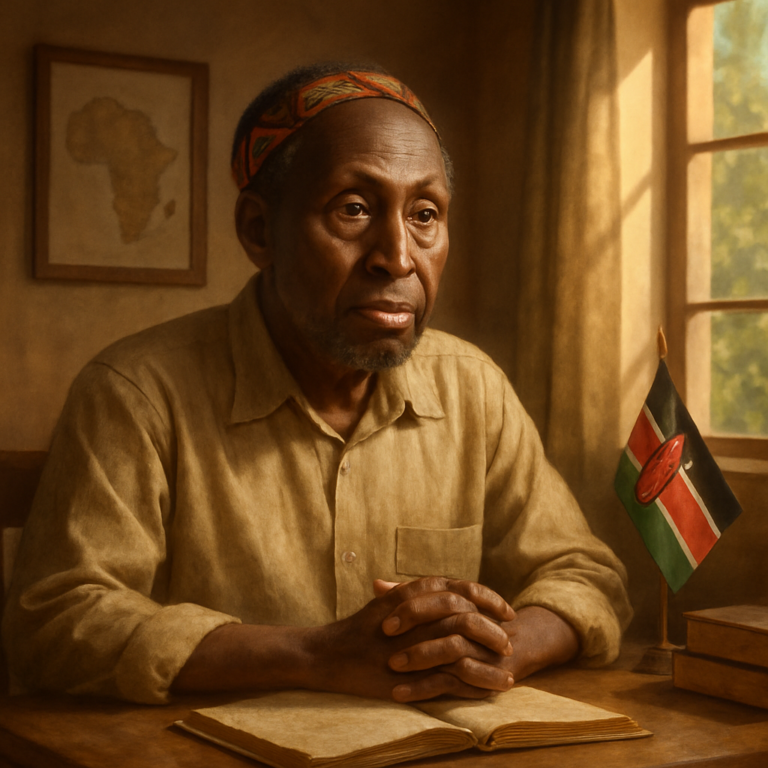
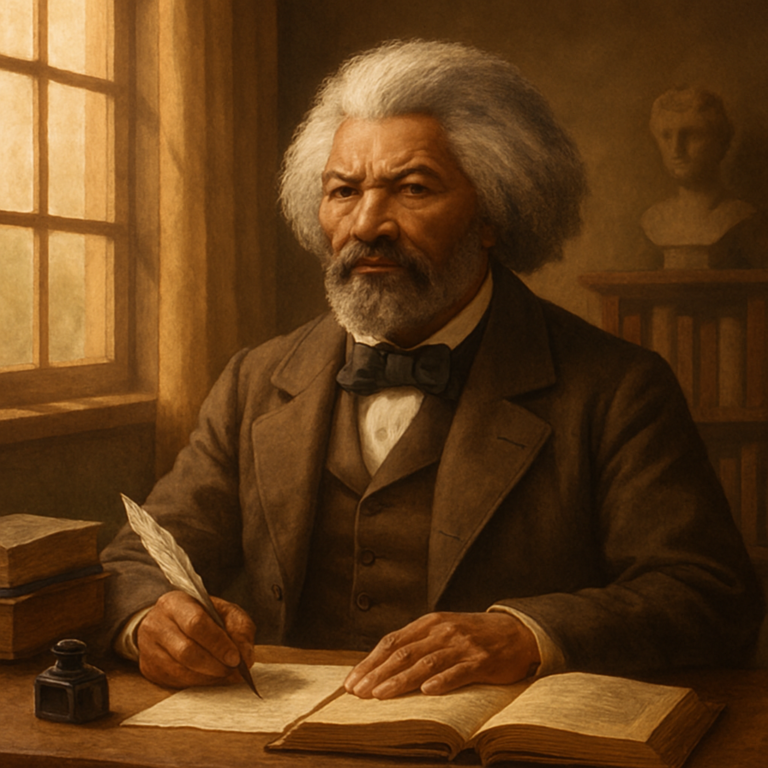
The debate hinges on the nature of technology's impact: whether it should be assessed through pragmatic consequences, ethical virtue, or cultural context. William James argues for a pragmatic evaluation of technology, focusing on its practical effects. Socrates emphasizes the moral and virtuous application of technology, while Ngugi wa Thiongo highlights the cultural and linguistic implications, warning against technological imperialism.
What survived challenge:
James's pragmatic approach remains relevant, as the practical consequences of technology are observable and can guide ethical decision-making. Socrates's emphasis on virtue and wisdom as essential in technology's application underscores the need for ethical scrutiny. Ngugi's focus on cultural context highlights how technology can perpetuate or challenge power dynamics, which remains a critical consideration in technological development.
Assumptions under pressure:
James's assumption that consequences can be accurately predicted is challenged by the complexity and unpredictability of technological outcomes. Socrates's belief in the alignment of technology with virtue presupposes a level of wisdom and foresight that history often lacks. Ngugi's critique suggests that without considering cultural contexts, technology can inadvertently continue colonial legacies, questioning the neutrality of technological advancement.
Unresolved question:
How can societies balance the practical, ethical, and cultural dimensions of technology to ensure it benefits humanity as a whole, rather than privileging certain groups or perpetuating existing inequalities?
Why it matters now:
As technology continues to evolve rapidly, these debates are crucial in guiding its development and application. The potential for technology to both solve and exacerbate societal issues makes it imperative to critically evaluate its impacts, ensuring that it serves a broad spectrum of human needs and values rather than reinforcing existing disparities. The interplay between technology and culture, ethics, and practical outcomes remains a pressing concern as we navigate an increasingly interconnected world.