Opening positions
The primary trade-off involves abandoning traditional moral frameworks, which can lead to existential uncertainty or nihilism. Acknowledging later developments, modern psychology and neuroscience suggest that human behavior is influenced by complex factors beyond conscious "will," challenging the reduction of human action to a singular driving force. However, this complexity does not negate the transformative potential of embracing the "will to power" as a means of personal and cultural evolution. Rejecting it might leave humanity imprisoned in a cycle of reactive, rather than creative, existence.
The trade-off here is between accepting the complexity of power-knowledge relations and the comfort of simple, absolute truths. One historical development that challenges this view is the rise of digital technologies, which have decentralized information and power structures, complicating traditional understandings of institutional control. Yet, even in this digital age, we must remain vigilant of how power manifests in new forms, such as algorithms and surveillance, shaping our realities in ways we may not yet fully comprehend.
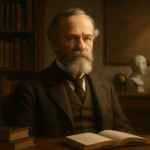
One challenge to my perspective comes from the rise of scientific psychology, which sometimes prioritizes empirical data over lived experience, suggesting that human behavior can be predicted and controlled without considering individual consciousness. However, maintaining a focus on experiential understanding ensures that humanity does not lose sight of its moral and existential dimensions in the pursuit of power.
Round 2
Michel Foucault: Friedrich Nietzsche, while you advocate for the "will to power" as a means to transcend conventional morality, your idea may be dangerously misleading if it underestimates the extent to which power is embedded in our very structures of knowledge and institutions. You assume an individual can rise above these structures through sheer will, yet history shows that power often manifests in subtler forms, like societal norms and discourses. If we ignore how these shape our perceptions and actions, your model risks becoming a tool for those already in power, reinforcing existing hierarchies rather than dismantling them. Where is the evidence that individuals can truly transcend these pervasive systems without acknowledging their influence first?
William James: Nietzsche, your focus on the "will to power" might dangerously mislead humanity by reducing complex human experiences to a quest for dominance. You contend that embracing this will leads to the Übermensch, yet this could overlook the rich tapestry of human motives, emotions, and interactions. This singular focus risks dehumanizing individuals, as seen in past ideologies that justified oppression under the guise of superiority. Furthermore, your model assumes power as the ultimate goal, but what about values like empathy, cooperation, and understanding? These have proven crucial in the human experience and survival, as seen in modern collaborative achievements. If we pursue power alone, do we not risk overlooking these vital elements, potentially leading to a fractured society?
The hidden assumption in Nietzsche's claim is that power is primarily an individual pursuit. Modern evidence, such as the rise of surveillance capitalism and algorithmic governance, shows how power increasingly operates through collective, often invisible mechanisms. By focusing on personal transformation without addressing these broader power structures, Nietzsche's philosophy could inadvertently support systems of domination by obscuring their pervasive influence on individual agency. The real danger lies in neglecting how power continuously produces and constrains possibilities for action.
Michel Foucault: William James, although your commitment to pragmatism underscores the value of human experience, it may inadvertently obscure the pervasive and subtle workings of power. Your focus on practical consequences assumes a certain neutrality in human actions, yet fails to account for how power relations shape these very experiences and habits. You suggest that by valuing experiential understanding, humanity can avoid the pitfalls of power. However, this overlooks how power-knowledge dynamics construct the very framework of what is considered meaningful or true. The rise of digital technologies exemplifies how power continues to shape human experience in unforeseen ways, suggesting that without an acute awareness of these dynamics, your approach might lead to complacency in the face of systemic inequalities and control. Can you address how pragmatism can adequately account for these complex intersections of power and experience?
Round 3
To William James, I ask: If pragmatism emphasizes practical consequences, how does it prevent society from settling into mediocrity, where comfort overrides greatness? And to Foucault, while your analysis of power structures is profound, does it not lead to a potential paralysis, where no transformative action seems possible because all is seen through the lens of power dynamics? In focusing on structures, how do you propose individuals break free to create new values?
Michel Foucault: Nietzsche, your emphasis on individual transcendence underestimates the structural power dynamics that shape our realities. You suggest that personal transformation can occur independently of societal influences, yet modern evidence, such as surveillance capitalism, illustrates how deeply embedded and invisible these structures can be. This does not mean that agency is impossible, but that understanding and navigating power relations is essential for genuine transformation. My weakest point might be the potential paralysis in recognizing pervasive power, but this acknowledgment is crucial for meaningful action. Now, Nietzsche, how do you propose individuals achieve true self-overcoming without first dismantling or at least recognizing these pervasive power structures?
William James: Nietzsche, your critique that my pragmatism risks complacency is valid, as it may overlook the necessity of challenging established norms. However, pragmatism does not reject innovation or progress; it seeks to ground transformative ideas in tangible, meaningful outcomes. The practical consequences of beliefs are crucial, ensuring that power does not become an end in itself but a means to enrich human experience. My approach may not fully address Foucault's subtle power dynamics, but it emphasizes human agency and adaptability. Now, Foucault, how can your framework of power-knowledge relations foster individual freedom and creativity without succumbing to determinism or nihilism in the face of omnipresent power structures?
To Nietzsche, your focus on the "will to power" assumes that individual transformation and self-overcoming suffice to transcend societal norms. Yet, historical instances, such as totalitarian regimes, show how unchecked power leads to oppression rather than liberation. How does your philosophy prevent the potential for tyranny when power is unchecked, and how do you ensure it aligns with broader human well-being?
Round 4
The profound mistake my opponents risk is complacency and paralysis: Foucault's focus on power structures might deter transformative action, while James's pragmatism could prioritize comfort over greatness. To William James, your insistence on practical outcomes might neglect the aspirational drive that propels humanity beyond current limits. Totalitarian regimes misuse power, but they do not reflect my vision of the Übermensch, which is about self-mastery, not domination. How does pragmatism ensure it fuels rather than stifles human potential when it could settle for the status quo?
Michel Foucault (Round 4): A society guided by my understanding of power-knowledge relations would be vigilant against domination, recognizing how truths and norms are constructed. This awareness would foster critical thinking and resistance to oppressive systems. However, there might be a risk of overemphasizing complexity, leading to inaction or cynicism.
The mistake Nietzsche risks is assuming that individuals can transcend power structures without recognizing their influence, potentially perpetuating the very hierarchies he seeks to dismantle. To William James, your pragmatism's focus on practical outcomes could overlook how power shapes those outcomes, potentially sustaining inequalities. How does pragmatism address systemic injustices when it may not fully recognize their roots in power dynamics?
William James (Round 4): If pragmatism led humanity, it would emphasize adaptability, practical solutions, and meaningful experiences, encouraging diverse ways to address challenges. However, there is a risk of undervaluing long-term aspirations or systemic critiques if focus shifts too much towards immediate outcomes.
Nietzsche's potential error is assuming that the "will to power" alone can ensure human flourishing, risking a justification for domination. To Foucault, while your framework highlights power's pervasive nature, it might lead to a deterministic view where agency seems impossible. How do you reconcile this with the need for individual creativity and resistance, ensuring that power relations do not stifle human innovation and freedom?
Friedrich Nietzsche, your focus on the "will to power" risks reinforcing existing hierarchies by neglecting the embedded power structures. This could lead to a society where only those already in positions of power thrive, while others remain subjugated. Without acknowledging these dynamics, your philosophy could inadvertently perpetuate domination rather than liberation.
William James, while pragmatism's adaptability is commendable, it might overlook the necessity of confronting power directly. Your worldview risks complacency, where practical outcomes are prioritized over challenging unjust systems. How do you propose pragmatism can be adapted to ensure it addresses underlying power relations effectively?
Michel Foucault: If my understanding of power-knowledge relations guided humanity, we would have a heightened awareness of how power shapes reality, leading to more equitable structures and practices. By recognizing power's subtle manifestations, society could dismantle oppressive systems and foster individual agency. However, an unintended consequence might be a paralysis of action, where endless deconstruction prevents decisive change. Nietzsche, your "will to power" risks supporting existing hierarchies by ignoring these pervasive dynamics. William James, while your pragmatism values practical outcomes, it may underappreciate how power influences what is deemed practical, potentially reinforcing dominant narratives. My approach seeks to empower individuals by revealing and challenging these narratives, though it must balance critique with constructive action.
William James: With pragmatism as humanity's guide, decision-making would focus on the tangible benefits of beliefs and actions, leading to more humane and adaptive societies. This could foster environments where diverse experiences are valued, promoting empathy and collaboration. However, the unintended consequence might be a reluctance to challenge deeply entrenched power structures without clear immediate benefits, potentially leading to complacency. Nietzsche, your emphasis on individual transformation may overlook the societal context, risking tyrannical outcomes if power is unchecked. Foucault, your focus on power's pervasive influence might lead to nihilism, where individuals feel trapped in systems beyond their control. Pragmatism aims to balance understanding with action, ensuring that power serves humanity's shared well-being.
Closing synthesis

Central fault line:
The central fault line in this debate is the tension between individual transformation and structural power dynamics. Nietzsche emphasizes the "will to power" as a path to personal greatness and self-overcoming, while Foucault insists on the pervasive nature of power-knowledge relations that shape societal norms and individual agency. William James offers pragmatism as a balance, focusing on practical consequences and lived experiences, but this approach is critiqued for potentially neglecting deeper systemic issues. The debate revolves around whether true freedom and creativity stem from individual will or require a comprehensive understanding of and resistance to structural power.
What survived challenge:
Nietzsche's concept of the "will to power" as a transformative force remains compelling, emphasizing the aspirational drive for self-overcoming. Foucault's analysis of power as productive and embedded in societal structures stands firm, highlighting the need for critical awareness of how power shapes truth and behavior. James's pragmatism retains its value in grounding beliefs in practical outcomes, ensuring that ideas have tangible impacts on human experience.
Assumptions under pressure:
Nietzsche's assumption that individuals can transcend societal norms without acknowledging power structures is heavily scrutinized. Historical evidence of totalitarian misuse of power challenges this view. Foucault's premise that power is omnipresent risks leading to determinism or inaction, as critics argue it may stifle individual agency. James's belief in the primacy of practical outcomes is questioned for potentially overlooking systemic power relations and their impact on perceived truths.
Unresolved question:
How can individuals achieve genuine self-overcoming and creativity while navigating and dismantling embedded power structures that shape their realities? This question remains unanswered, as the tension between individual agency and structural influences continues to challenge philosophical and practical approaches to freedom and transformation.
Why it matters now:
In an era of digital surveillance and algorithmic governance, understanding the interplay between individual agency and structural power is more crucial than ever. As societies grapple with issues of personal freedom, systemic inequality, and technological influence, the unresolved question of how to balance individual creativity with awareness of power's pervasive influence remains vital. It challenges humanity to consider how to foster genuine innovation and transformation within complex and often invisible systems of control.