
Michel Foucault
Showed how institutions, discourse, knowledge, and power shape subjects, bodies, norms, and truth regimes.

Life and thought
Examines power, knowledge, discipline, institutions, identity, history, and the construction of normality.
Michel Foucault is presented in the Thought archive through philosophy, french, france, contemporary. The recorded life dates are 1926–1984. The profile connects this work to Political Philosophy, Poststructuralism, Social Theory, Western Philosophy.
The central questions gathered here concern power/knowledge, discipline, genealogy, biopolitics, discourse. Together they show the recurring problems, methods, and distinctions that define this thinker’s contribution.
Michel Foucault developed within an intellectual conversation shaped by Nietzsche, Canguilhem, Heidegger, structuralism. These names provide context for the traditions and problems surrounding the work; they do not imply simple agreement.
The surviving reading path begins with Discipline and Punish, History of Sexuality, Madness and Civilization, Order of Things. The recorded legacy extends toward poststructuralism, critical theory, gender studies, social theory.
Five Defining Theories
The central ideas, methods, and arguments that give this thinker’s work its distinctive shape.
power/knowledge
A central idea in this thinker’s work, method, and intellectual legacy.
discipline
A central idea in this thinker’s work, method, and intellectual legacy.
genealogy
A central idea in this thinker’s work, method, and intellectual legacy.
biopolitics
A central idea in this thinker’s work, method, and intellectual legacy.
discourse
A central idea in this thinker’s work, method, and intellectual legacy.
Life journey
A structured path through the verified context attached to this profile.
Context
1926–1984 · France · Contemporary
Intellectual formation
The recorded influences include Nietzsche, Canguilhem, Heidegger, structuralism.
Defining ideas
The profile centres on power/knowledge, discipline, genealogy, biopolitics, discourse.
The work
A reading path through Discipline and Punish, History of Sexuality, Madness and Civilization, Order of Things.
Lasting influence
The recorded influence reaches poststructuralism, critical theory, gender studies, social theory.
In time
Major Works
Texts through which the thinker’s ideas entered the wider intellectual record.
Discipline and Punish
This work matters because it carries a central part of the thinker’s method, argument, or intellectual legacy into a form readers can examine directly.
History of Sexuality
This work matters because it carries a central part of the thinker’s method, argument, or intellectual legacy into a form readers can examine directly.
Madness and Civilization
This work matters because it carries a central part of the thinker’s method, argument, or intellectual legacy into a form readers can examine directly.
Order of Things
This work matters because it carries a central part of the thinker’s method, argument, or intellectual legacy into a form readers can examine directly.
Influence network
Trace the intellectual lineage into and beyond this thinker.
Selected quotations
Where there is power, there is resistance.
Knowledge is not made for understanding; it is made for cutting.
Power is everywhere.
Do not ask who I am.
The soul is the prison of the body.
Schools of thought
Political Philosophy
Explore the thinkers and ideas connected to this tradition.
Explore school P4 thinkersPoststructuralism
Explore the thinkers and ideas connected to this tradition.
Explore school S8 thinkersSocial Theory
Explore the thinkers and ideas connected to this tradition.
Explore school W43 thinkersWestern Philosophy
Explore the thinkers and ideas connected to this tradition.
Explore schoolConnected Thinkers

Hannah Arendt
SharedPolitical Philosophy · Social Theory · Western Philosophy
View thinker →
Jean-Paul Sartre
SharedPolitical Philosophy · Western Philosophy · Philosophy
View thinker →
Jacques Derrida
SharedPoststructuralism · Western Philosophy · Philosophy
View thinker →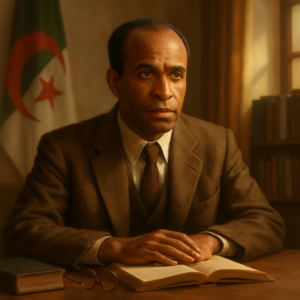
Frantz Fanon
SharedPolitical Philosophy · Social Theory · Contemporary
View thinker →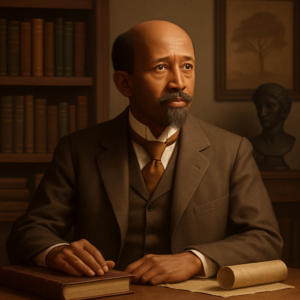
W.E.B. Du Bois
SharedPolitical Philosophy · Social Theory
View thinker →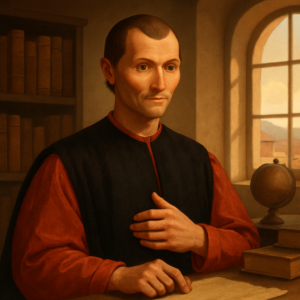
Niccolò Machiavelli
SharedPolitical Philosophy · Western Philosophy
View thinker →Featured Debates
See how Michel Foucault’s perspective changes when it meets another mind.



How Does the Digital Age Influence the Authenticity of Human Relationships?
In an era where digital communication is ubiquitous, the nature of human relationships has undergone significant transformation. This Thought.global debate explores how the digital age influences…
View Debate →

Can Artificial Intelligence Ever Truly Understand Human Emotions and Consciousness?
In this thought-provoking debate, we delve into one of the most intriguing questions of our era: Can artificial intelligence ever truly understand human emotions and consciousness?…
View Debate →
Is Technology Advancing Faster Than Our Ethical Ability to Manage It?
In an era marked by rapid technological advancements, questions arise about our ability to ethically manage these innovations. This debate brings together historical thinkers Blaise Pascal,…
View Debate →Continue the conversation with Michel Foucault.
Test an assumption, explore an idea, or bring this perspective into dialogue with a council of other thinkers.