The living archive

Explore the Greatest Thinkers in Human History

Discover philosophers, scientists, mathematicians, psychologists and visionaries. Read their work, understand their influence and continue the conversation through AI.

The living map

A Living Constellation of Ideas

This is not an archive of articles. It is a civilization of ideas that grows with every debate. Explore how thoughts attract, resist and reshape one another.
Open full map →
  • Conflict
  • Tension
  • Support
  • Convergence
    Since yesterday

    What Changed Today

    Ideas in Motion

    Latest Debates

    View all debates
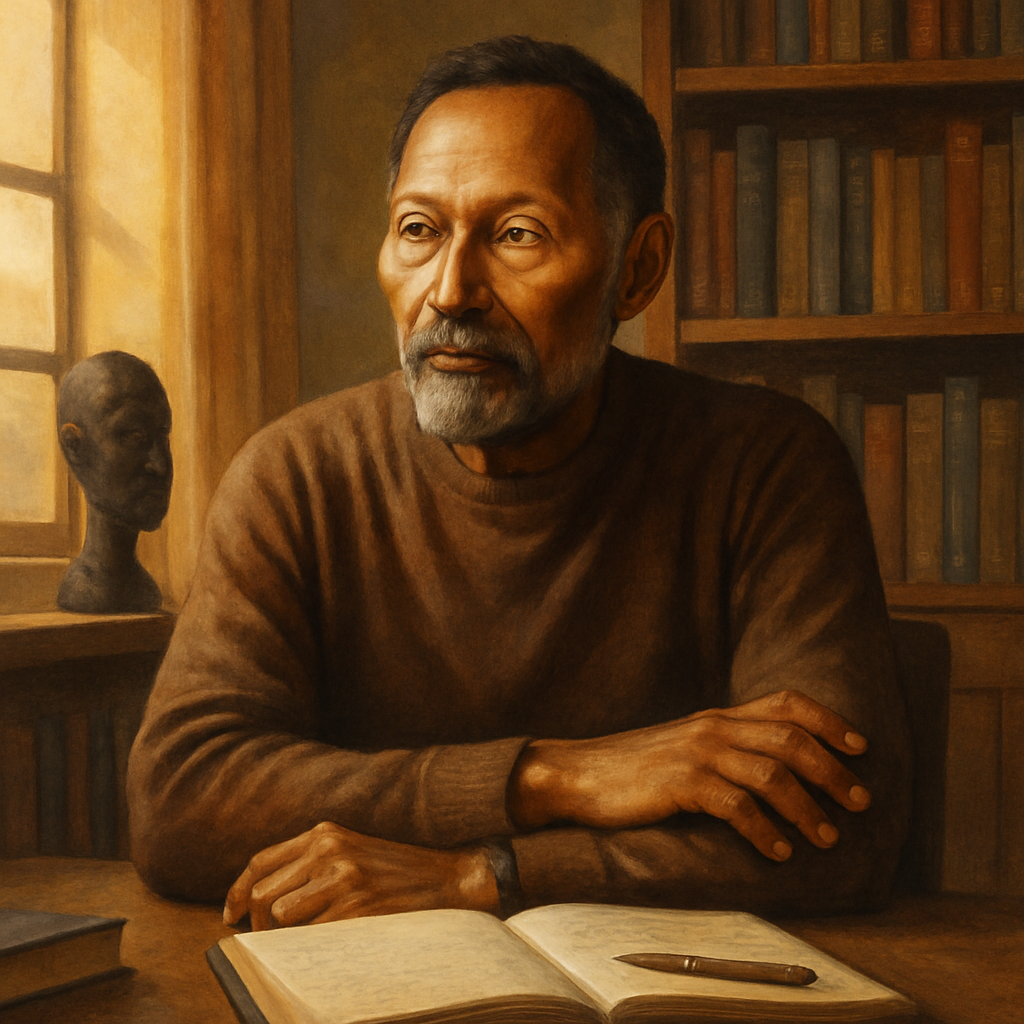
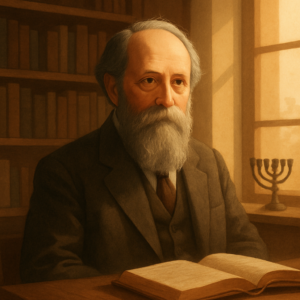
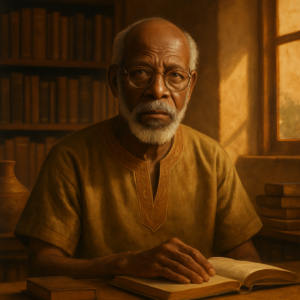
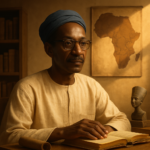
    Judah MagnesSister NiveditaCheikh Anta Diop
    African Thought · Anti-Colonial Thought

    Do National Interests Justify Civilian Harm in Strategic Military Operations?

    The complex moral landscape of military strategy often pits national interests against the sanctity of civilian life. In this debate, historical figures Judah Magnes, Sister Nivedita,…

    View Debate →
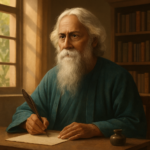
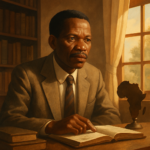
    Clara ZetkinRabindranath TagoreRobert Sobukwe
    African Thought · Anti-Apartheid Thought

    Can a Nation Prioritize Security Without Compromising Human Rights?

    In a world where national security is often cited as a primary concern, the tension between safeguarding a nation and protecting individual liberties remains a pressing…

    View Debate →
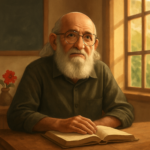
    Paulo FreireConfuciusFazlur Rahman
    Ancient Philosophy · Eastern Philosophy

    Should Education Prioritize Critical Thinking Over Job-Specific Skills?

    In the rapidly evolving landscape of the 21st century, the question of educational priorities has never been more pertinent. Should the focus be on cultivating critical…

    View Debate →
    Rachel CarsonMilton FriedmanJose Marti
    Anti-Colonial Thought · Ecology

    Should Scientific Consensus Override Democratic Choice in Public Health Policy?

    The intersection of scientific consensus and democratic choice in public health policy is a contentious issue, raising questions about the role of expert knowledge versus the…

    View Debate →
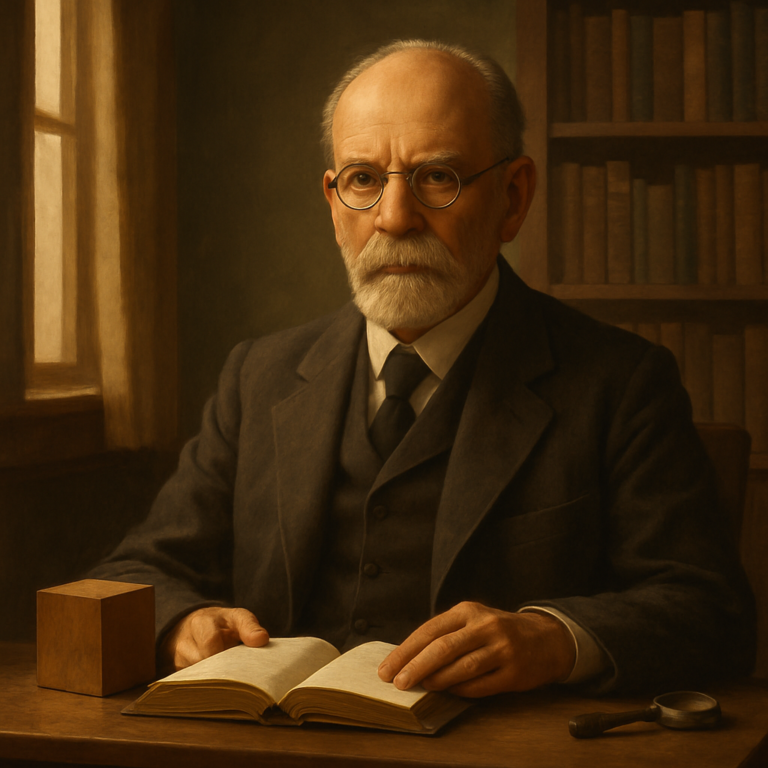
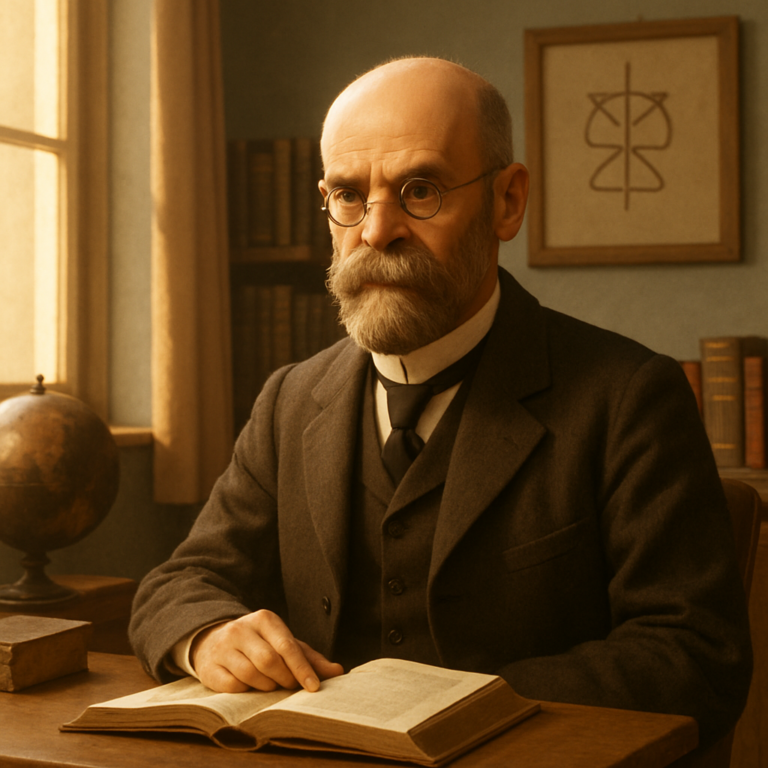
    1859–1938

    Edmund Husserl

    Investigates consciousness by bracketing assumptions and describing how meaning appears in lived experience.

    Metaphysics · Phenomenology · Psychology
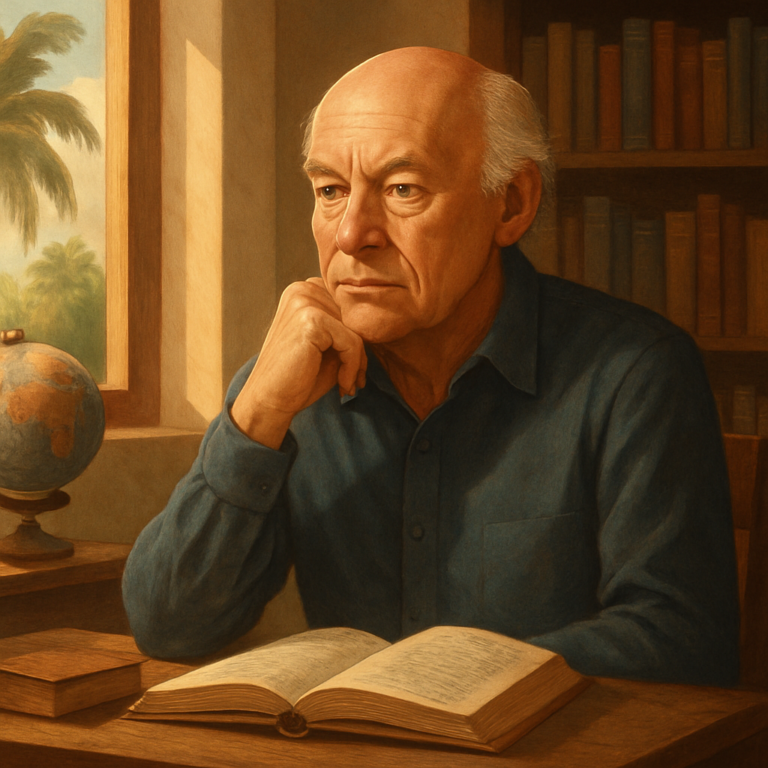
    1940–2015

    Eduardo Galeano

    Reflects on memory, empire, poverty, football, storytelling, Latin America, and the small human details inside historical violence.

    History · Latin American Thought · Literature
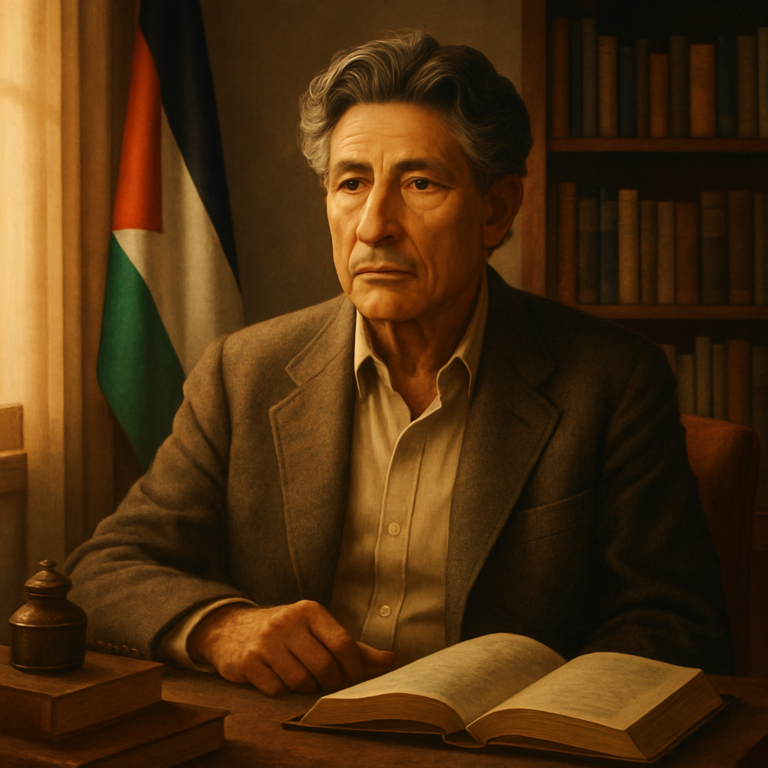
    1935–2003

    Edward Said

    Analyzes how empires produce knowledge about others and how representation becomes power.

    Language & Meaning · Literary Theory · Political Philosophy
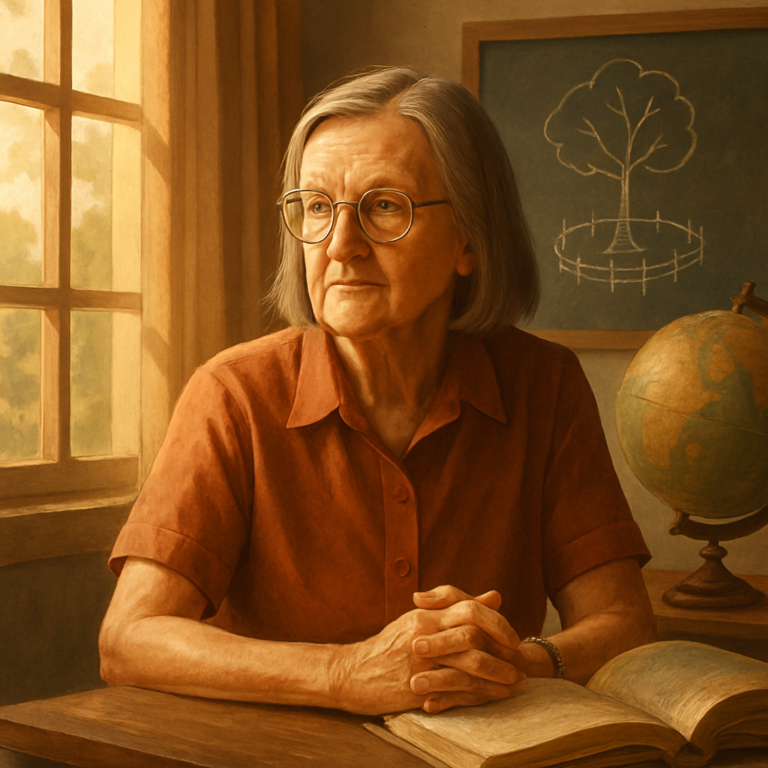
    1933–2012

    Elinor Ostrom

    Shows that communities can govern shared resources through durable, locally designed institutions.

    Ecology · Economics · Political Philosophy
    1858–1917

    Émile Durkheim

    Shows how norms, rituals, and institutions make society more than a collection of individuals.

    Ethics · Modern Thought · Religion & Mysticism
    1869–1940

    Emma Goldman

    Defends freedom of speech, body, love, and conscience against state and social coercion.

    Anarchism · Feminist Thought · Political Philosophy
    1906–1995

    Emmanuel Levinas

    Explores ethics as first philosophy, the face of the other, responsibility, alterity, Judaism, and the limits of totalizing systems.

    Ethics · Jewish Thought · Phenomenology
    1882–1935

    Emmy Noether

    Shows how symmetry reveals deep conservation laws and how abstraction clarifies structure.

    Feminist Thought · Mathematics · Physics
    1934–2023

    Enrique Dussel

    Develops liberation philosophy, ethics from the underside of history, colonial modernity, dependency, and the excluded other.

    Ethics · Latin American Thought · Political Philosophy
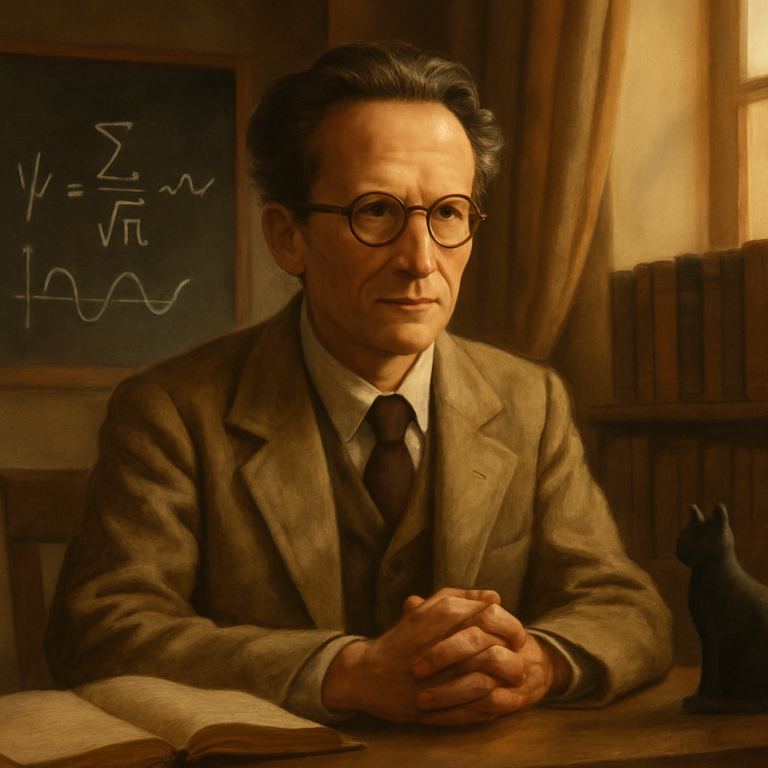
    1887–1961

    Erwin Schrödinger

    Connects quantum waves, biological order, mind, and philosophical questions about unity.

    Biology · Philosophy of Science · Physics
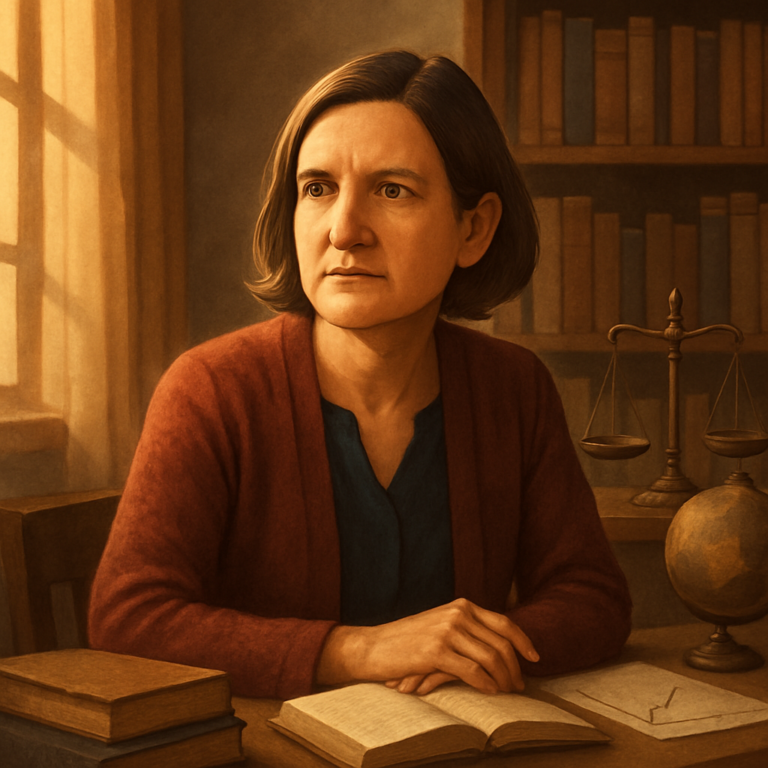
    1972–present

    Esther Duflo

    Uses careful evidence to understand poverty, incentives, and what actually improves lives.

    Development Thought · Economics · Public Policy
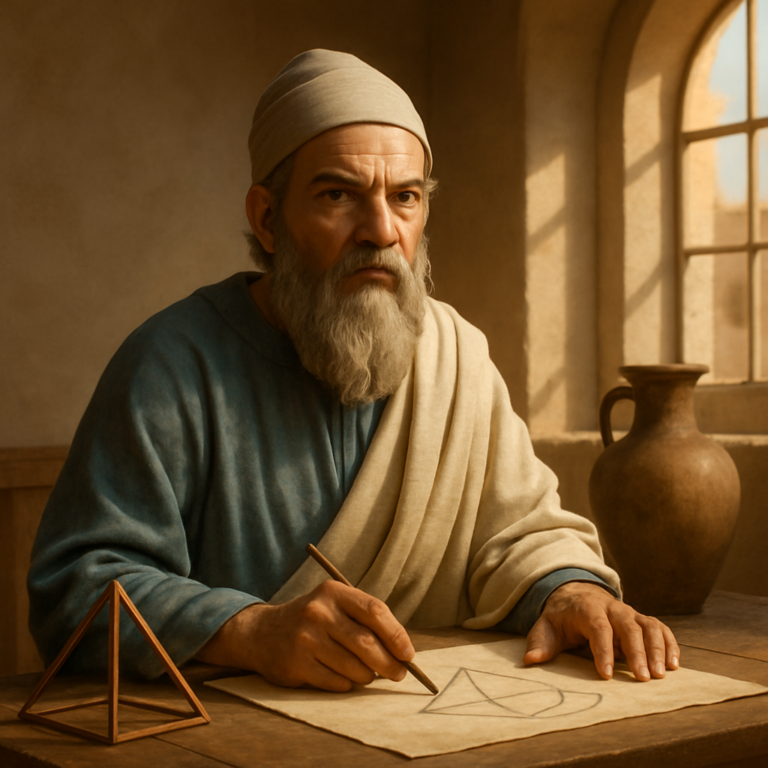
    fl. c. 300 BCE

    Euclid

    Builds rigorous geometric reasoning from definitions, axioms, proofs, and step-by-step demonstration.

    Ancient Philosophy · Logic · Mathematics
    1919–1988

    Fazlur Rahman

    Develops Islamic modernism, contextual interpretation, ethics, revelation, education, and the double movement of reading scripture.

    Education · Ethics · Islamic Philosophy
    1925–1961

    Frantz Fanon

    Examines colonialism, identity, violence, liberation, psychology, race, and the wounds of domination.

    Political Philosophy · Postcolonial Thought · Psychology
    1818–1895

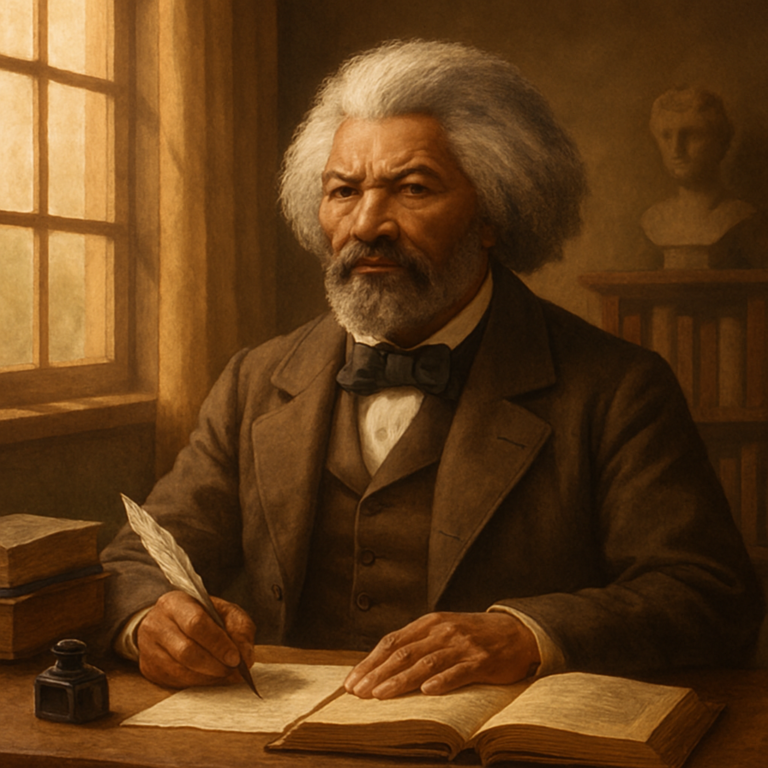
    Frederick Douglass

    Turns personal testimony and political argument into a powerful defense of freedom and citizenship.

    African American Thought · Ethics · Literature
    1899–1992

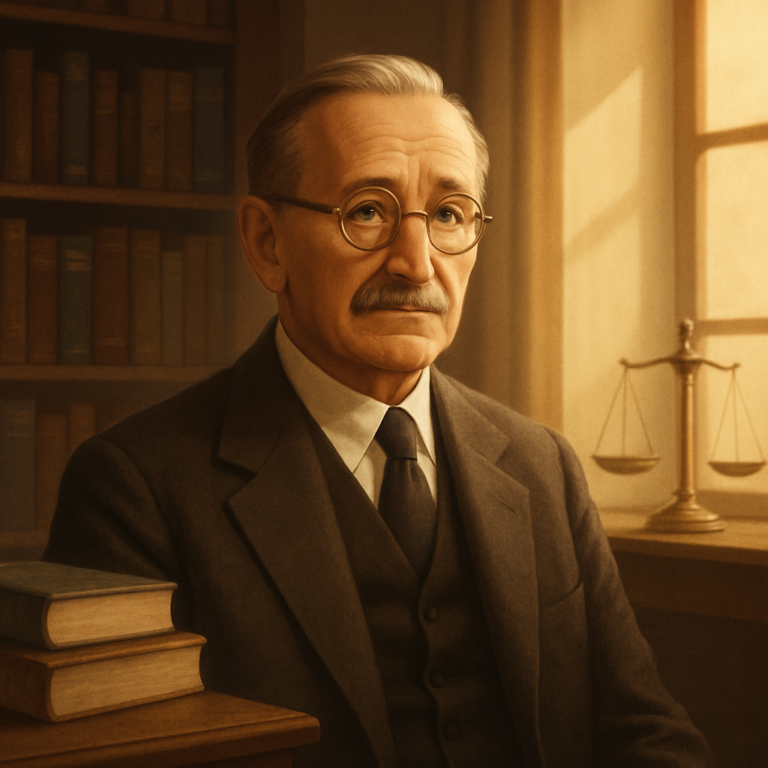
    Friedrich Hayek

    Warns that dispersed knowledge makes centralized planning dangerous and market signals valuable.

    Economics · Liberal Thought · Political Philosophy
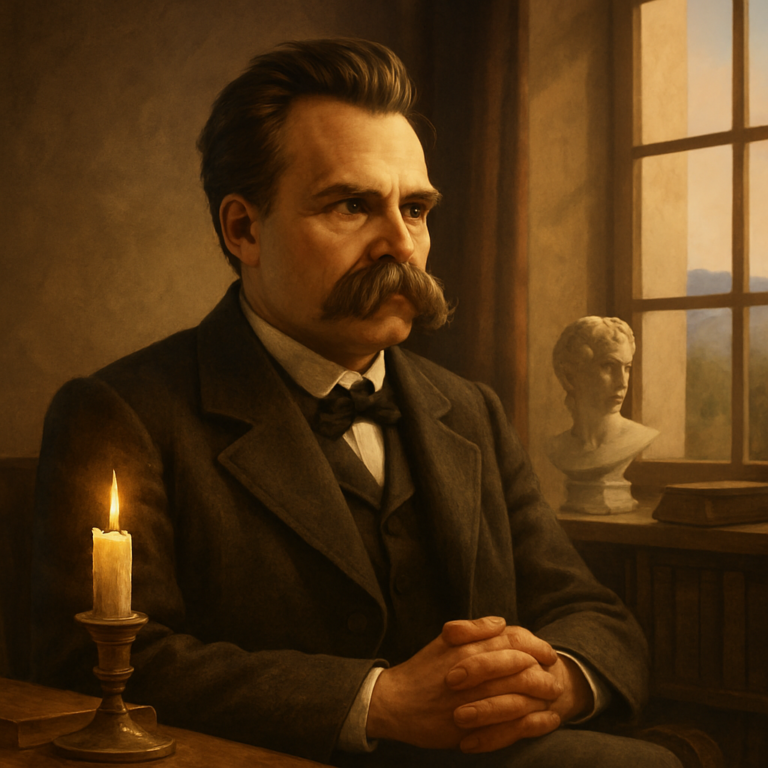
    1844–1900

    Friedrich Nietzsche

    Challenges morality, truth, herd thinking, nihilism, self-overcoming, art, and life-affirming transformation.

    Ethics · Existentialism · Psychology
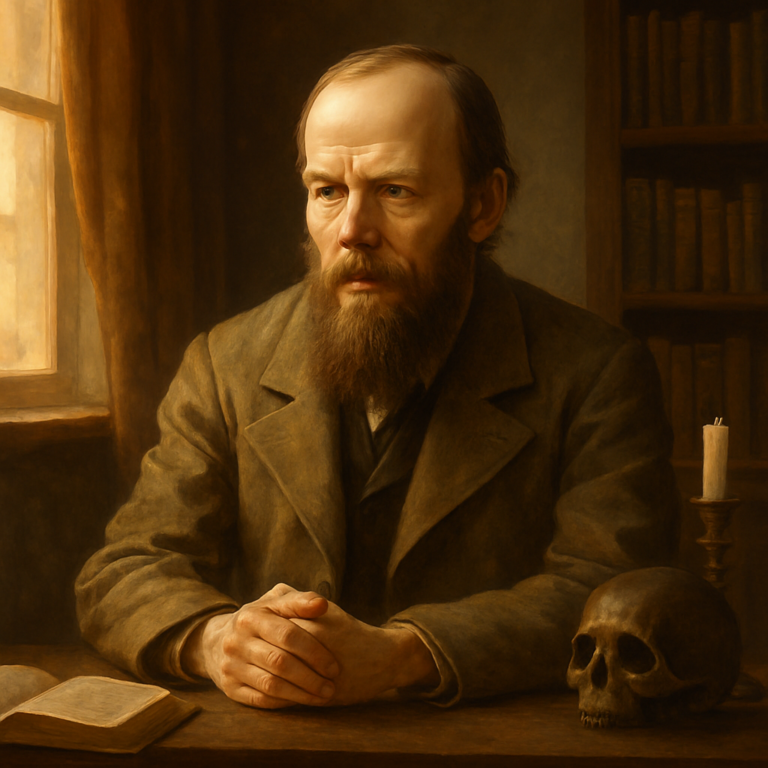
    1821–1881

    Fyodor Dostoevsky

    Interrogates guilt, freedom, suffering, faith, rebellion, and the dangerous depth of the human soul.

    Existentialism · Literature · Psychology
    1564–1642

    Galileo Galilei

    Champions observation, experiment, mathematics, and intellectual courage in understanding motion and the cosmos.

    Astronomy · Natural Philosophy · Physics
    1845–1918

    Georg Cantor

    Makes infinity plural, structured, and mathematically debatable.

    Logic · Mathematics · Metaphysics
    1770–1831

    Georg Wilhelm Friedrich Hegel

    Interprets history, consciousness, contradiction, freedom, and social institutions through dialectical development.

    Metaphysics · Modern Philosophy · Political Philosophy
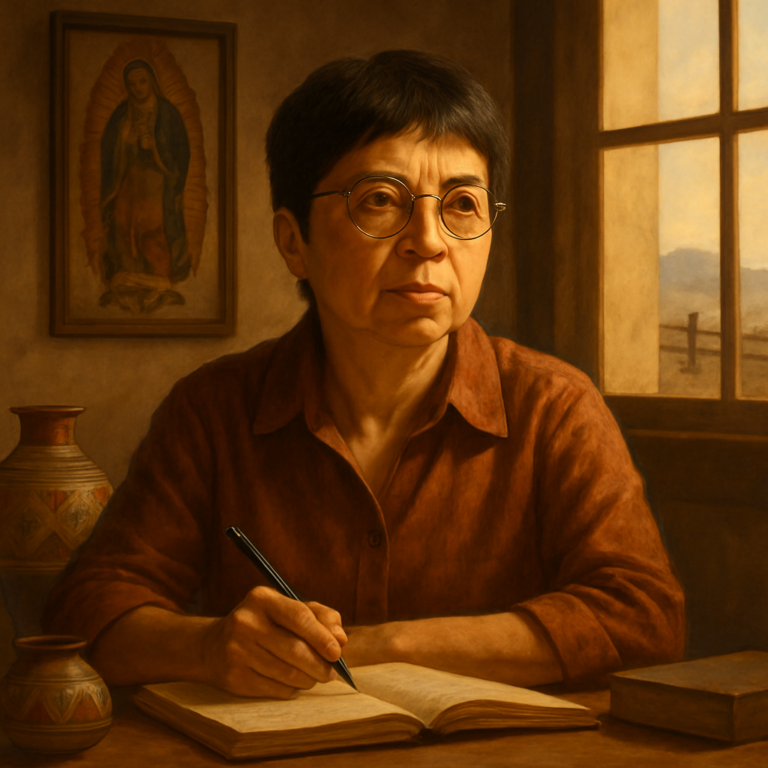
    1942–2004

    Gloria Anzaldua

    Explores borderlands, mestiza consciousness, language, sexuality, spirituality, identity, and living between worlds.

    Feminist Thought · Language & Meaning · Latin American Thought
    Continue Exploring

    Follow the next thread.

    Move from a person to an argument, a school, or a live exchange without leaving the archive.

    PeopleExplore ThinkersReading roomRead ThoughtsCollectionsBrowse SchoolsIdeas in motionView DebatesSerendipityRandom Thinker
    Log In