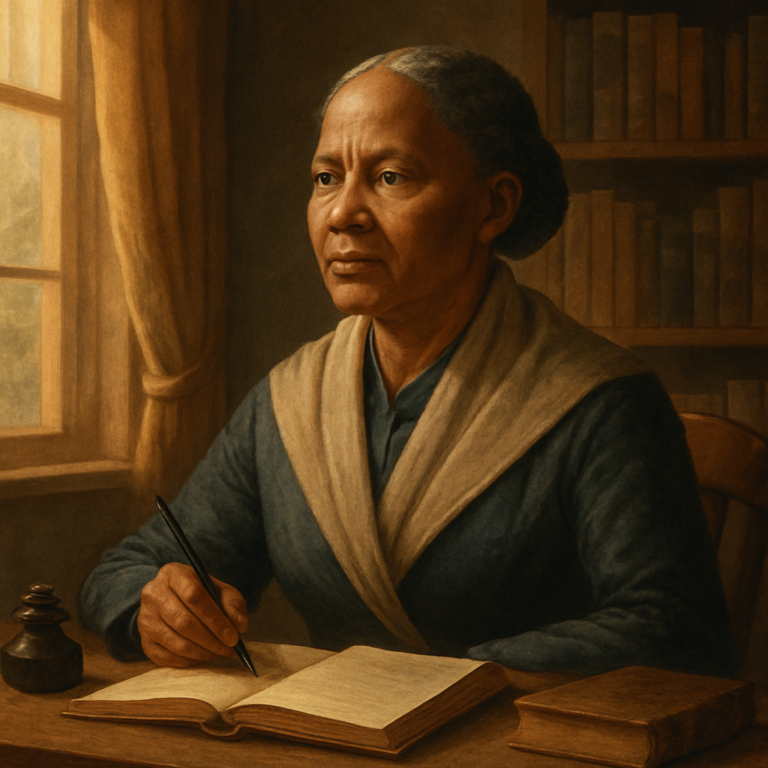
The Duality of Existence: Navigating Identity and Consciousness in the African American Experience
Introduction
In contemplating the nature of identity and consciousness, one must grapple with the complexities that arise from history, culture, and societal structures. This is particularly true within the African American experience, where the interplay of race, class, and self-perception poses profound philosophical and ethical questions. As we embark on this exploration, we must consider the duality of existence that W.E.B. Du Bois famously articulated through the concept of “double consciousness.” This notion not only illuminates the struggles faced by African Americans but also invites us to reflect on broader questions of identity and belonging that resonate across cultures.
Understanding Double Consciousness
Du Bois introduced the idea of double consciousness in his seminal work, “The Souls of Black Folk,” where he described it as a sense of always looking at oneself through the eyes of a racist white society. This internal conflict creates a dual identity: one that is shaped by the external perceptions of others and another that emerges from the individual’s self-awareness and cultural heritage. Du Bois writes, “It is a peculiar sensation, this double consciousness, this sense of always looking at one’s self through the eyes of others.”
This concept challenges us to consider the implications of identity formation in a racially stratified society. It raises crucial questions: How do societal perceptions shape our self-identity? What does it mean to navigate multiple identities in a world that often demands singularity? In a similar vein, how do individuals from other marginalized communities experience their own forms of double consciousness or identity fragmentation?
Identity and the Social Construct
To fully engage with the notion of double consciousness, we must first delineate the term “identity.” Identity can be understood as a social construct influenced by various factors, including race, gender, ethnicity, and socio-economic status. It is not merely an individual attribute but a complex interplay of personal and societal narratives. Du Bois’s exploration of African American identity highlights the intersection of personal experience and collective history, suggesting that identity is inherently relational and context-dependent.
Moreover, this understanding challenges the individualistic paradigms often found in Western philosophy, where identity is frequently viewed as a solitary endeavor. Thinkers such as Charles Taylor and Michel Foucault have also addressed the relational aspect of identity, emphasizing how social contexts and power dynamics shape our self-concept. Taylor’s idea of the “politics of recognition” posits that identity is formed through interactions with others and the acknowledgment of one’s existence in a community. Foucault, on the other hand, highlights how power relations influence the formation of identities, suggesting that our understanding of ourselves is deeply intertwined with societal structures.
Ethical Considerations and the Quest for Authenticity
Within this framework of identity, an ethical dimension emerges—specifically, the pursuit of authenticity. How does one remain true to oneself amid external pressures and conflicting identities? The quest for authenticity is particularly poignant for those navigating double consciousness, as it often involves reconciling the disparate aspects of one’s identity. This struggle is not merely personal; it is political. The ethical implications of authenticity extend to broader societal dynamics, challenging systems that perpetuate inequality and disenfranchisement.
Du Bois himself grappled with the tension between the desire for acceptance in a dominant culture and the need to honor one’s roots. This struggle calls into question the very nature of authenticity: Is it possible to be authentic while conforming to societal expectations? What sacrifices must one make in the pursuit of a coherent identity? These questions are echoed in the works of contemporary thinkers such as bell hooks, who emphasizes the importance of self-love and community in the journey toward authentic existence.
Probing the Mystical and the Political
Another layer to consider in this discourse is the mystical aspect of identity—a theme that Du Bois touched upon through his references to the spiritual. He recognized the transcendental nature of the African American experience, suggesting that the struggle for identity is also a quest for deeper understanding and connection to something greater than oneself. This mystical dimension invites us to explore the role of spirituality in shaping identity and consciousness.
In many traditions, spirituality provides a framework for understanding one’s place in the world, offering solace and a sense of belonging. For African Americans, the church has historically served as a sanctuary and a site of resistance, enabling the community to forge a collective identity amid oppression. This raises critical questions: How does spirituality influence our understanding of self? Can it serve as a means of reconciliation for those grappling with double consciousness? Furthermore, how do other cultural or religious identities navigate similar struggles?
Counterarguments and Challenges
While Du Bois’s concept of double consciousness offers a compelling lens through which to view identity, it is essential to recognize that it is not without its critiques. Some scholars argue that the notion of double consciousness may inadvertently reinforce binary thinking, oversimplifying the rich complexities of identity. Others contend that it risks portraying African Americans solely as victims of oppression, neglecting the agency and resilience inherent in their lived experiences.
Furthermore, the concept may not fully encompass the experiences of those with intersecting identities, such as LGBTQ+ individuals or those from various cultural backgrounds within the African diaspora. This calls for a more nuanced understanding of identity that acknowledges the multiplicity of experiences and the fluidity of self-conception. How can we expand Du Bois’s framework to be inclusive of these diverse identities? What new paradigms might emerge from such a synthesis?
Practical Implications and Reflections
As we reflect on the implications of double consciousness and the quest for identity, it becomes evident that these concepts extend beyond academic discourse. They resonate in our daily lives, shaping our interactions, aspirations, and struggles. In a world increasingly characterized by globalization and cultural exchange, understanding the complexities of identity is paramount.
For educators, policymakers, and community leaders, fostering environments that celebrate diverse identities while promoting authentic self-expression is essential. This involves creating spaces where individuals can explore their identities without fear of judgment or marginalization. It also requires a commitment to dismantling systemic barriers that hinder the flourishing of diverse identities.
Moreover, on a personal level, grappling with one’s identity invites a continual process of self-discovery and reflection. Embracing the dualities that exist within us can lead to deeper understanding and empathy, not only for ourselves but for others navigating similar complexities. How might we cultivate spaces for dialogue and reflection that honor the multifaceted nature of identity?
Conclusion
In conclusion, the exploration of identity and consciousness through the lens of double consciousness invites us to engage with the intricate relationship between the self and society. Du Bois’s insights remind us that our identities are not static but are shaped by the interplay of personal agency and societal structures. As we navigate our own paths toward authenticity, we must remain open to the complexities and contradictions that define our existence. In doing so, we honor the legacies of those who have come before us while paving the way for future generations to embrace their own multifaceted identities.