The living archive

Explore the Greatest Thinkers in Human History

Discover philosophers, scientists, mathematicians, psychologists and visionaries. Read their work, understand their influence and continue the conversation through AI.
The living map

A Living Constellation of Ideas

This is not an archive of articles. It is a civilization of ideas that grows with every debate. Explore how thoughts attract, resist and reshape one another.
Open full map →
  • Conflict
  • Tension
  • Support
  • Convergence
    Since yesterday

    What Changed Today

    Ideas in Motion

    Latest Debates

    View all debates
    Judah MagnesSister NiveditaCheikh Anta Diop
    African Thought · Anti-Colonial Thought

    Do National Interests Justify Civilian Harm in Strategic Military Operations?

    The complex moral landscape of military strategy often pits national interests against the sanctity of civilian life. In this debate, historical figures Judah Magnes, Sister Nivedita,…

    View Debate →
    Clara ZetkinRabindranath TagoreRobert Sobukwe
    African Thought · Anti-Apartheid Thought

    Can a Nation Prioritize Security Without Compromising Human Rights?

    In a world where national security is often cited as a primary concern, the tension between safeguarding a nation and protecting individual liberties remains a pressing…

    View Debate →
    Paulo FreireConfuciusFazlur Rahman
    Ancient Philosophy · Eastern Philosophy

    Should Education Prioritize Critical Thinking Over Job-Specific Skills?

    In the rapidly evolving landscape of the 21st century, the question of educational priorities has never been more pertinent. Should the focus be on cultivating critical…

    View Debate →
    Rachel CarsonMilton FriedmanJose Marti
    Anti-Colonial Thought · Ecology

    Should Scientific Consensus Override Democratic Choice in Public Health Policy?

    The intersection of scientific consensus and democratic choice in public health policy is a contentious issue, raising questions about the role of expert knowledge versus the…

    View Debate →
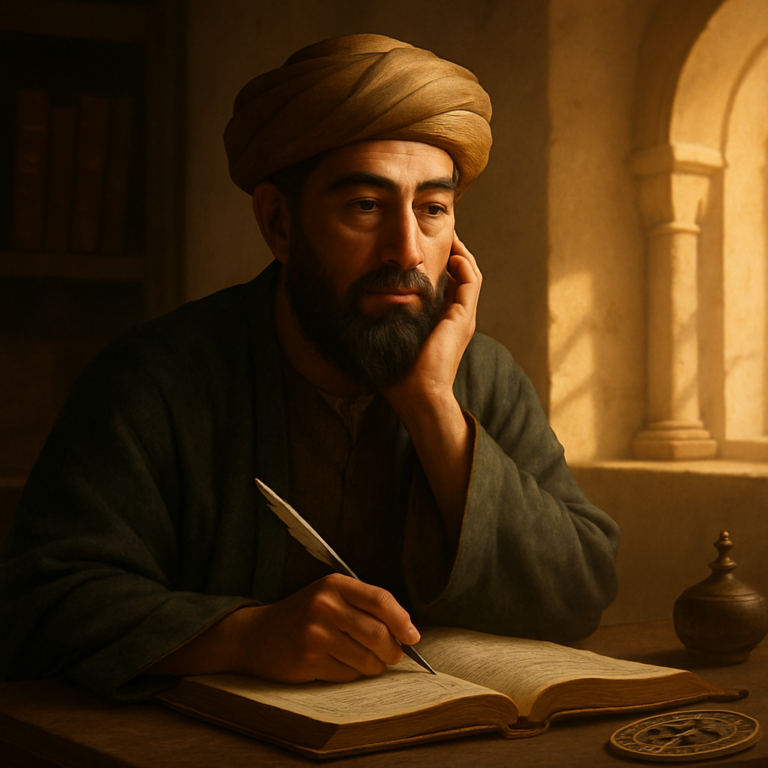
    1138–1204

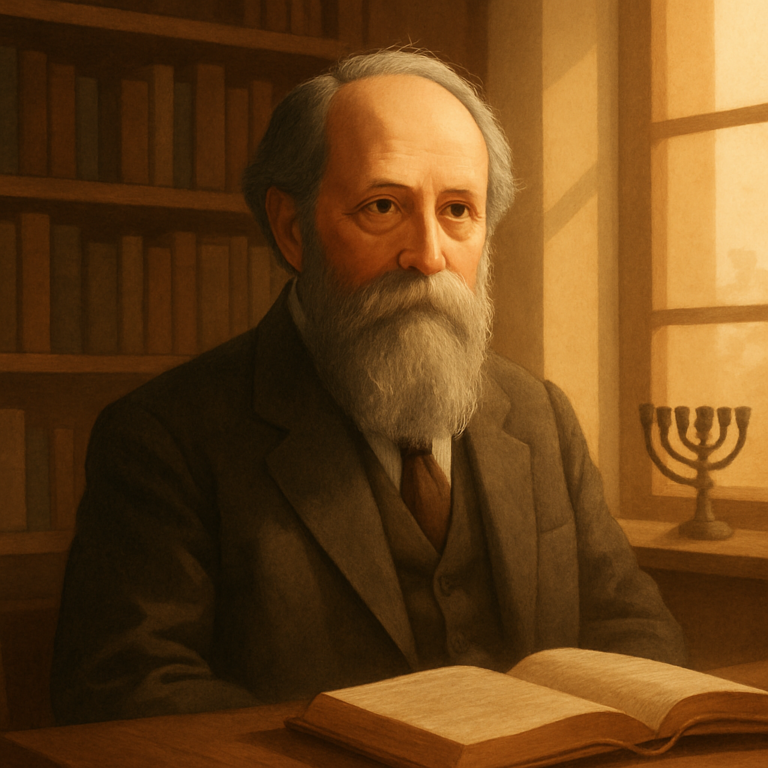
    Maimonides

    Bridges reason, law, ethics, theology, medicine, and negative theology with disciplined intellectual humility.

    Jewish Thought · Medieval Philosophy · Rationalism
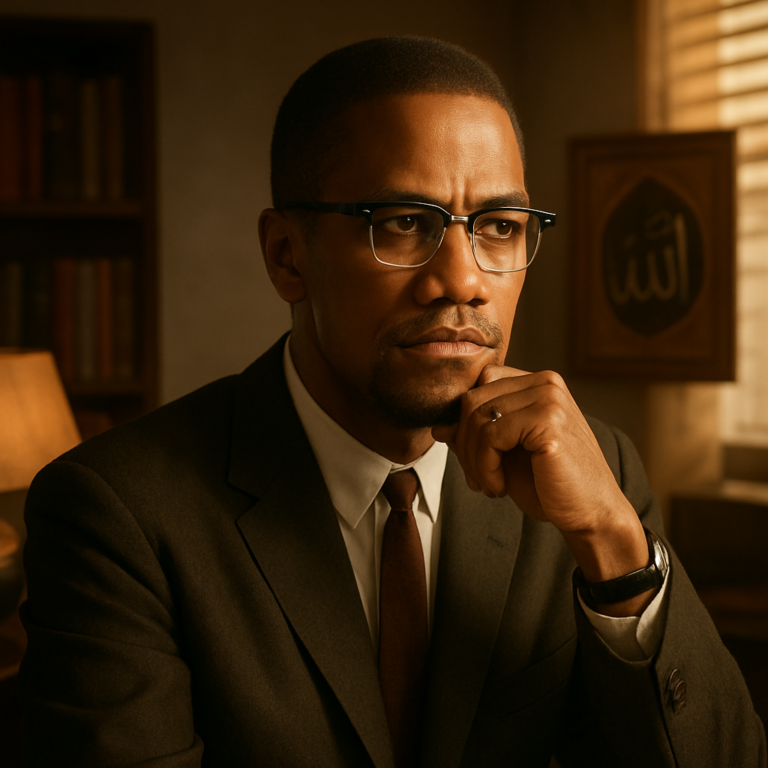
    1925–1965

    Malcolm X

    Examines dignity, rage, discipline, religion, self-defense, and the evolution of political consciousness.

    African American Thought · Anti-Colonial Thought · Political Philosophy
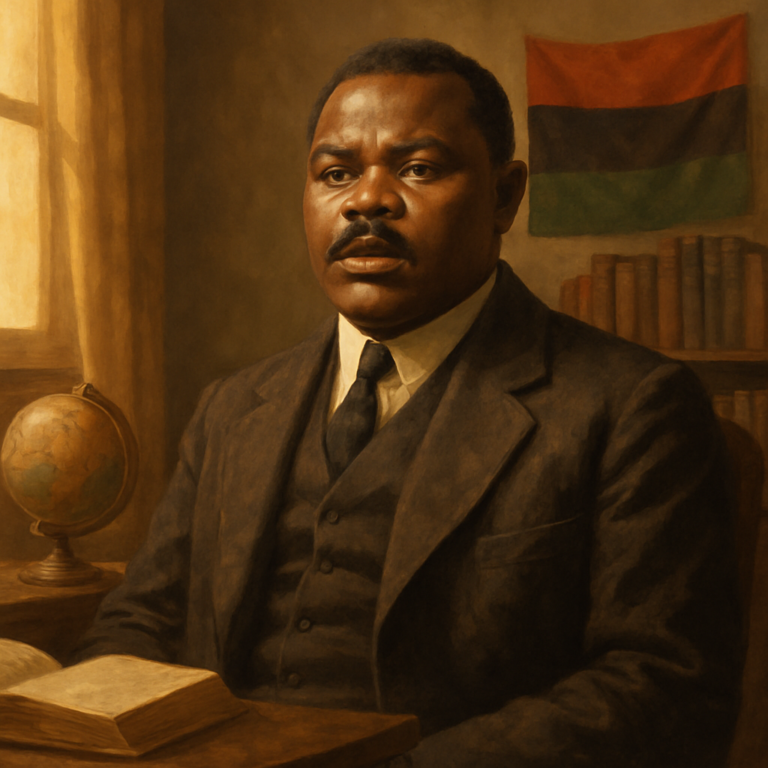
    1887–1940

    Marcus Garvey

    Treats dignity, economic power, diaspora, and pride as foundations of liberation.

    African Diaspora Thought · Anti-Colonial Thought · Pan-Africanism
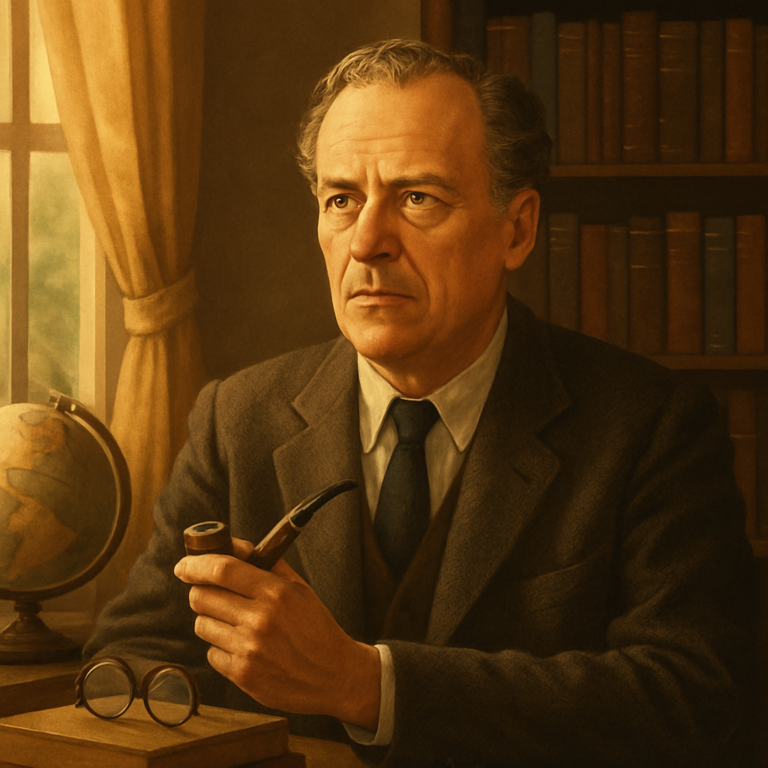
    1911–1980

    Marshall McLuhan

    Shows how media reshape perception and society before content is even considered.

    Cultural Studies · Language & Meaning · Social Theory
    1947–present

    Martha Nussbaum

    Develops capabilities, emotions, dignity, justice, feminism, education, animal ethics, and liberal human development.

    Ethics · Feminist Thought · Law
    1878–1965

    Martin Buber

    Centers dialogue, I-Thou relation, encounter, community, Zionism, Hasidic spirituality, and the ethics of presence.

    Ethics · Jewish Thought · Language & Meaning
    1889–1976

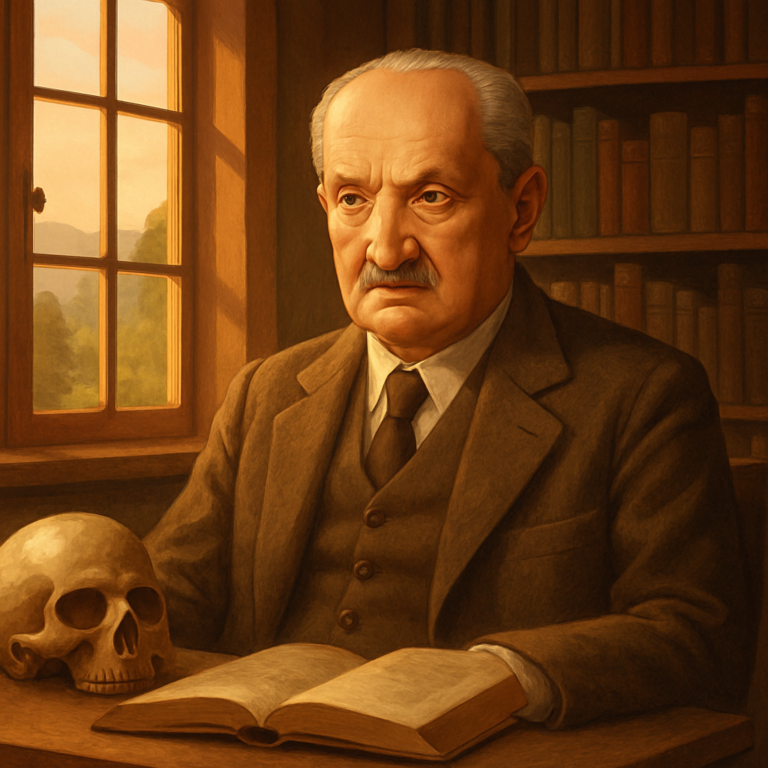
    Martin Heidegger

    Examines being, time, technology, mortality, authenticity, and human existence through deep phenomenological inquiry.

    Existentialism · Metaphysics · Phenomenology
    1929–1968

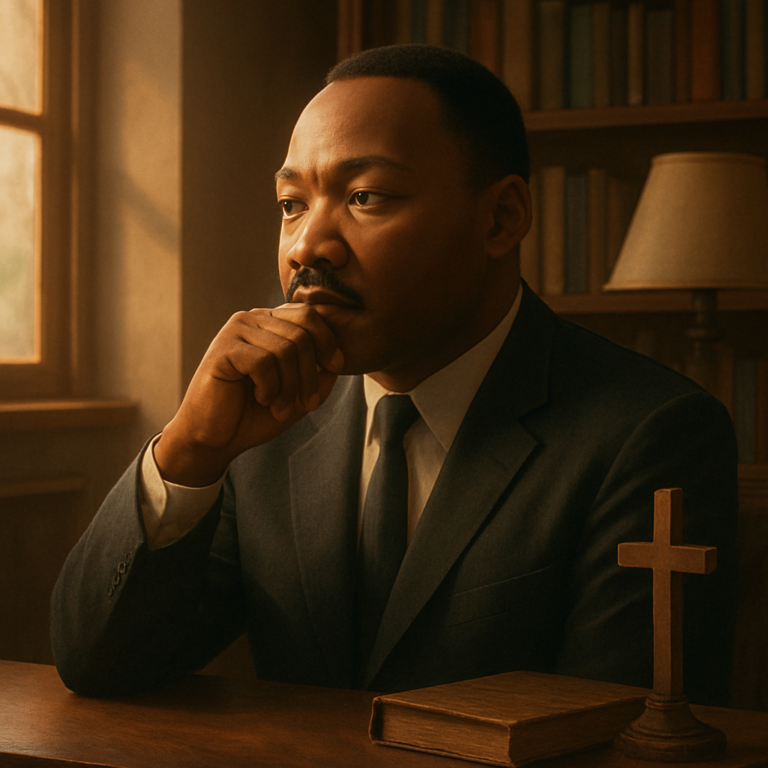
    Martin Luther King Jr.

    Connects nonviolence, Christian ethics, democratic justice, economic dignity, and moral urgency.

    African American Thought · Ethics · Political Philosophy
    1868–1933

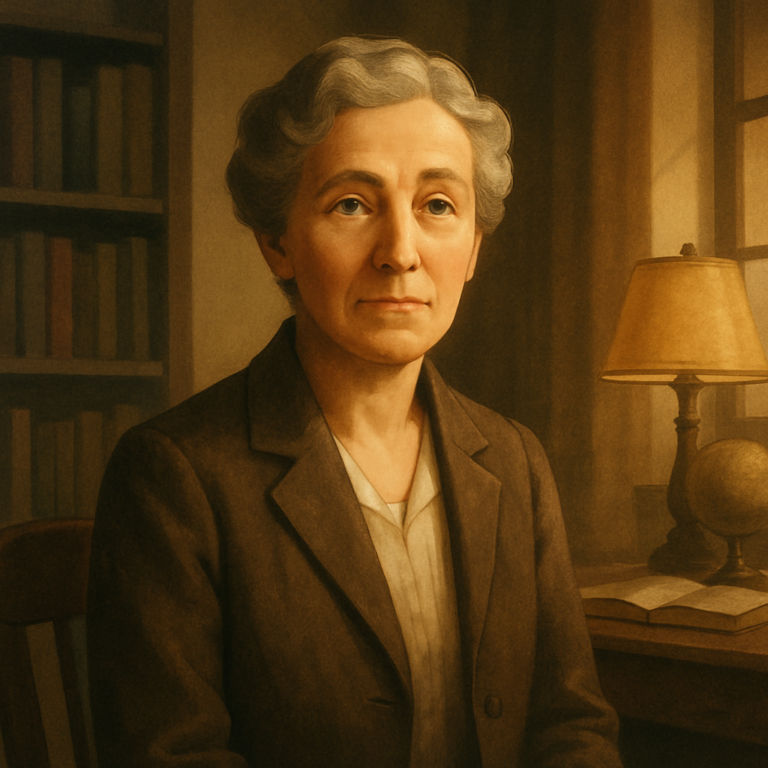
    Mary Parker Follett

    Reframes conflict as a chance for integration and power as something created with others.

    Leadership · Organizational Thought · Political Philosophy
    1759–1797

    Mary Wollstonecraft

    Advances equality, education, reason, dignity, and women’s rights through Enlightenment moral and political critique.

    Ethics · Feminist Thought · Political Philosophy
    1864–1920

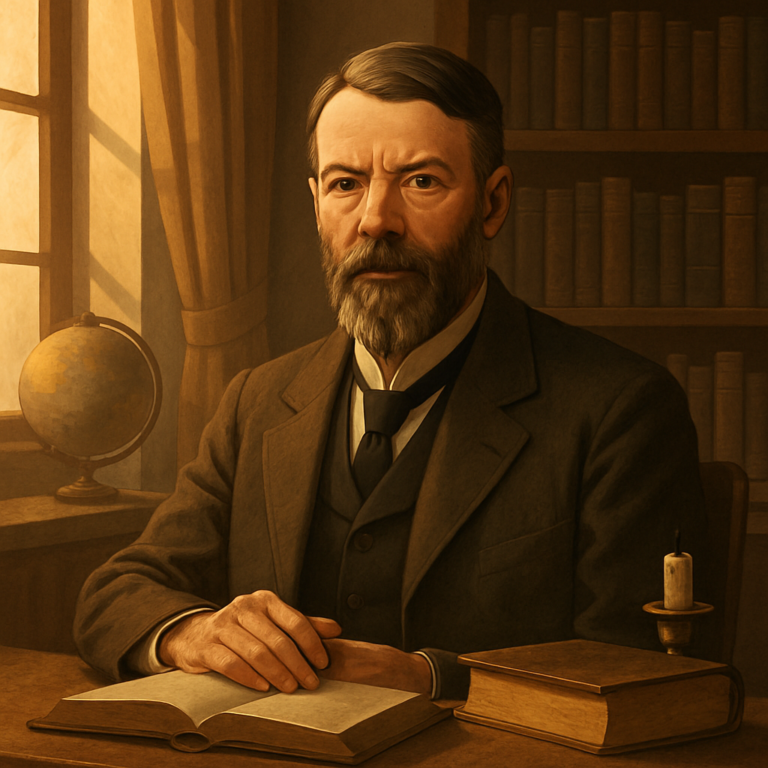
    Max Weber

    Explains modernity through rationalization, bureaucracy, legitimacy, and the iron cage of systems.

    Economics · Political Philosophy · Religion & Mysticism
    c. 372–289 BCE

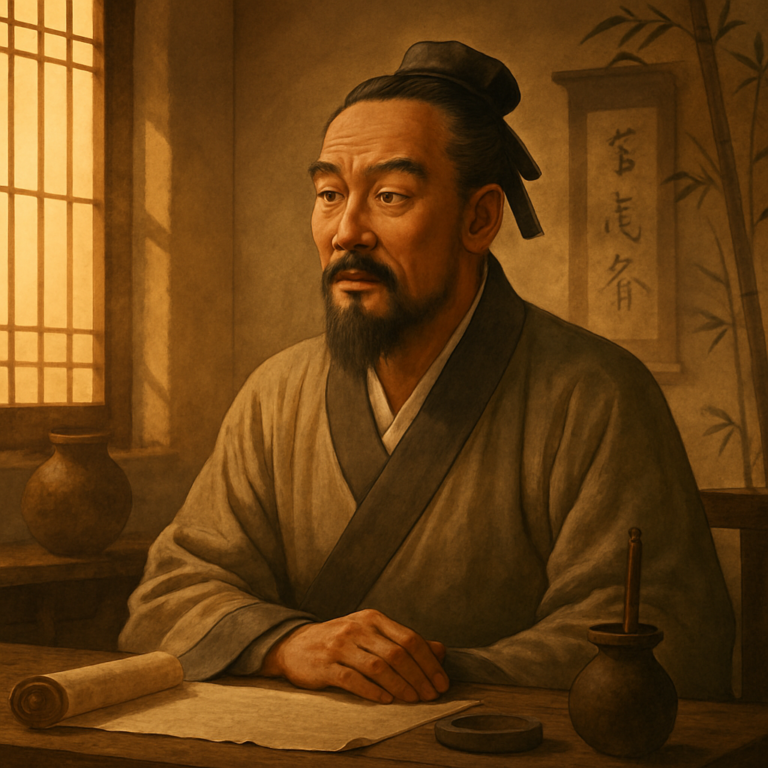
    Mencius

    Argues that human goodness grows like moral sprouts when cultivated by family, education, and humane politics.

    Ancient Philosophy · Eastern Philosophy · Ethics
    1953–present

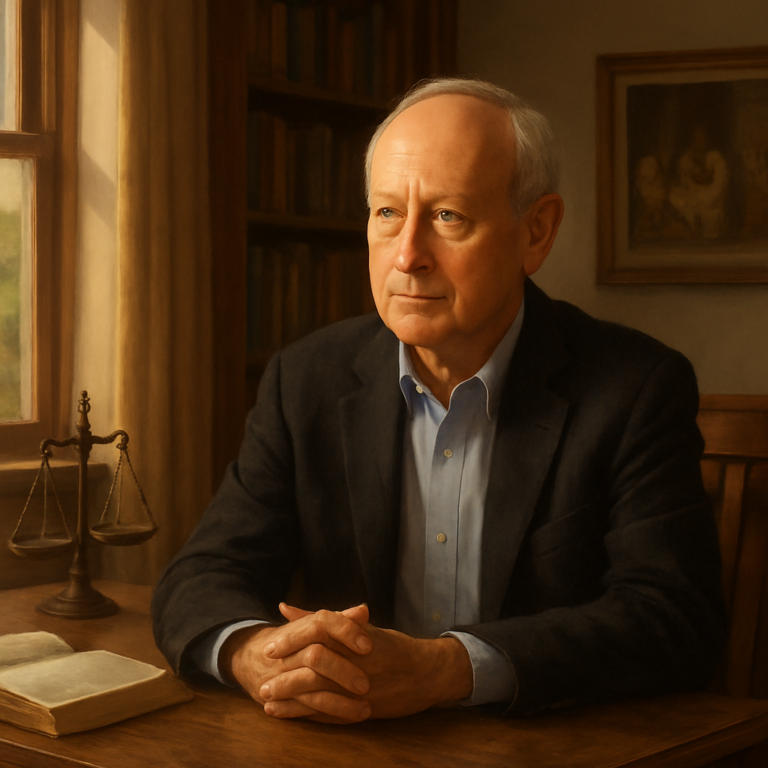
    Michael Sandel

    Uses public moral debate to ask what markets should not buy and what citizens owe each other.

    Civic Thought · Ethics · Justice
    1926–1984

    Michel Foucault

    Examines power, knowledge, discipline, institutions, identity, history, and the construction of normality.

    Political Philosophy · Poststructuralism · Social Theory
    1912–2006

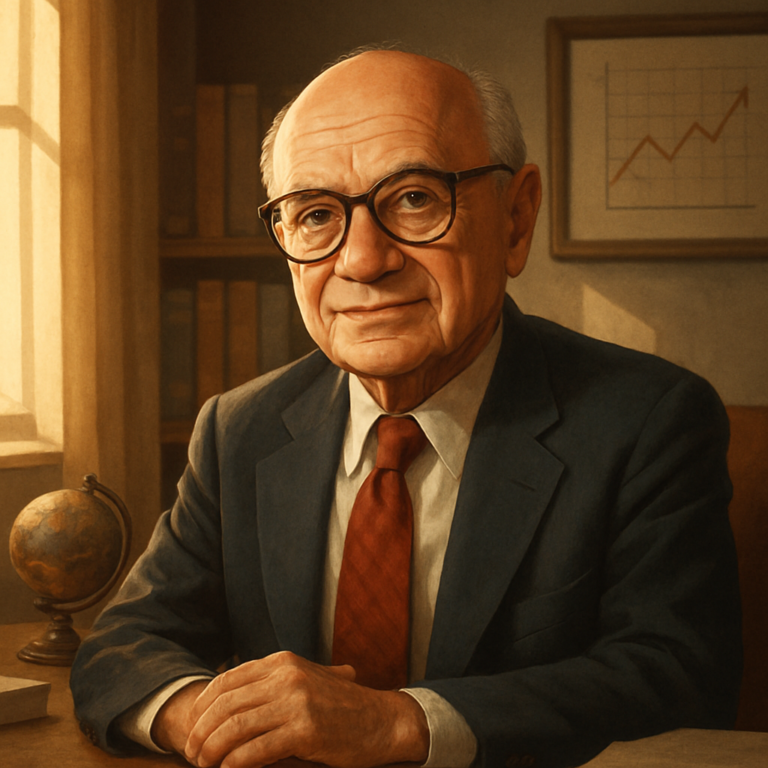
    Milton Friedman

    Argues that monetary policy, individual choice, and market incentives shape freedom and prosperity.

    Economics · Liberal Thought · Political Philosophy
    1950–present

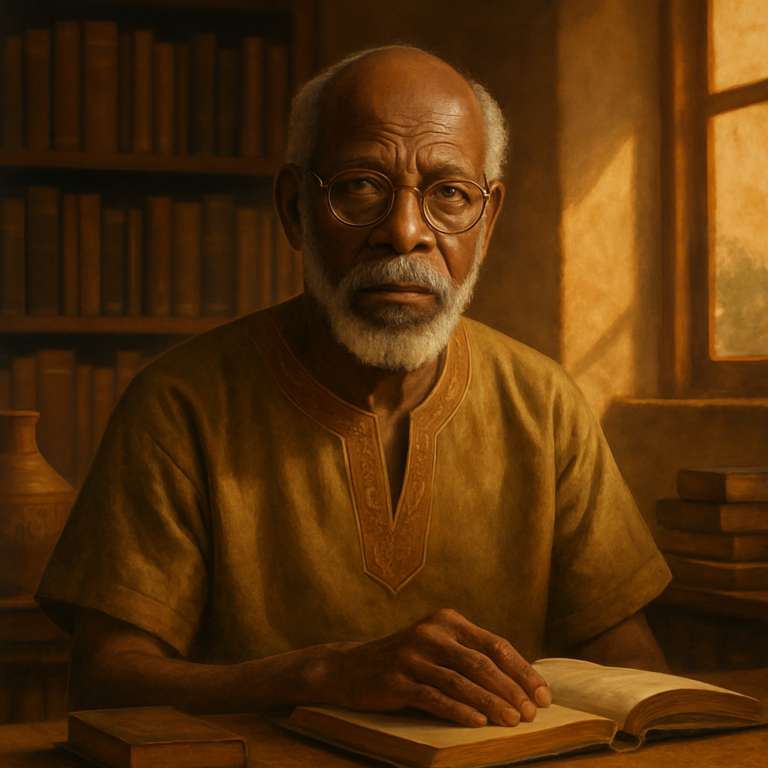
    Mogobe Ramose

    Develops ubuntu as African philosophy, relational personhood, justice, community, law, and the critique of colonial reason.

    African Thought · Ethics · Metaphysics
    c. 470–391 BCE

    Mozi

    Argues that care should be impartial and policies judged by their benefit to ordinary people.

    Ancient Philosophy · Eastern Philosophy · Ethics
    1877–1938

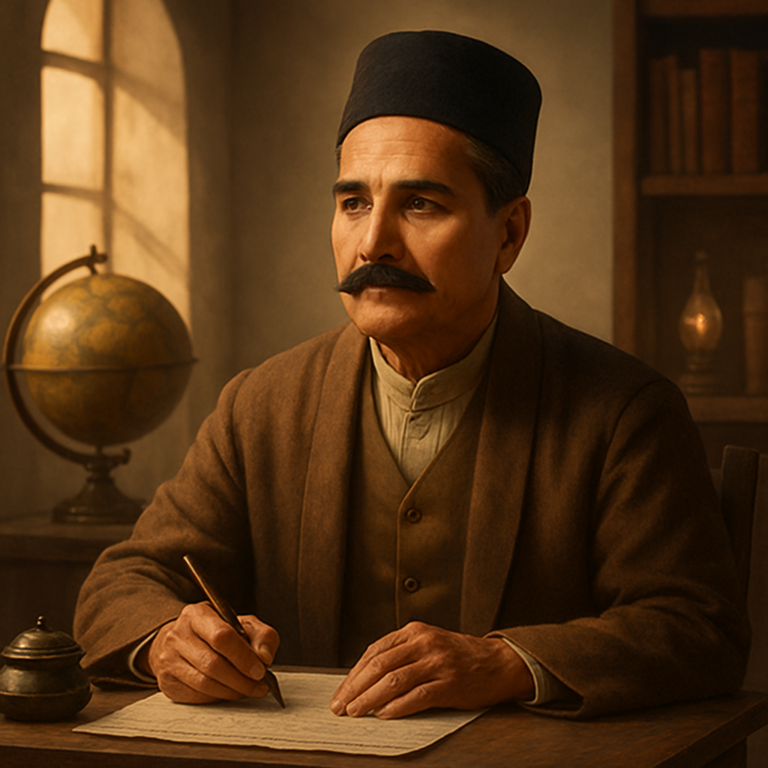
    Muhammad Iqbal

    Explores selfhood, Islam, poetry, renewal, freedom, time, and the reconstruction of religious thought under modernity.

    Islamic Philosophy · Poetry · Political Philosophy
    1931–2003

    Neil Postman

    Warns that technologies shape what a culture can pay attention to and take seriously.

    Cultural Studies · Education · Ethics
    1918–2013

    Nelson Mandela

    Reflects on reconciliation, sacrifice, armed struggle, democracy, forgiveness, prison, and the difficult ethics of liberation.

    African Thought · Anti-Apartheid Thought · Ethics
    1938–present

    Ngugi wa Thiongo

    Explores language, colonial memory, storytelling, theatre, decolonization, and the politics of whose words shape reality.

    African Thought · Language & Meaning · Literary Theory
    1469–1527

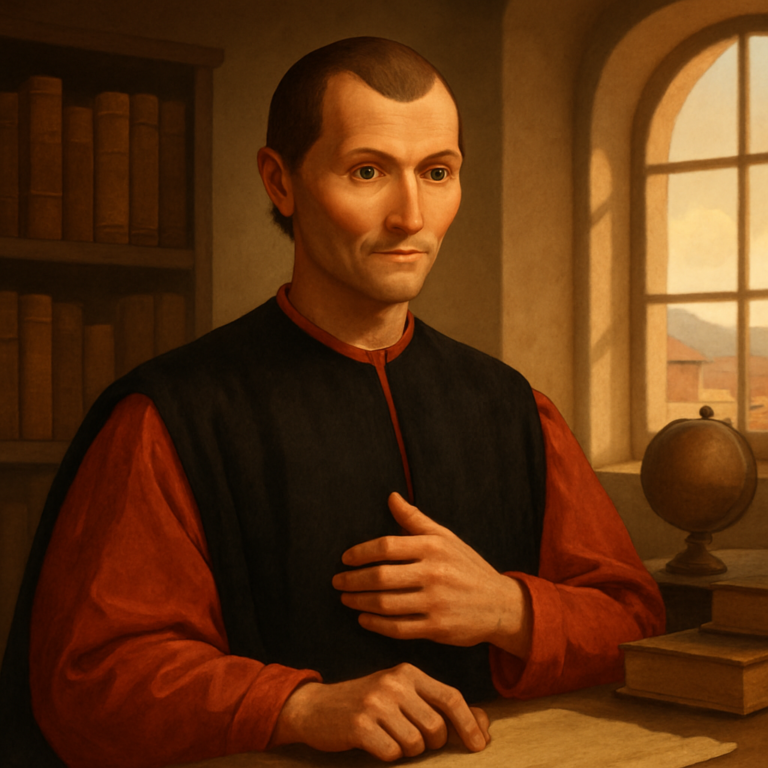
    Niccolò Machiavelli

    Analyzes power, leadership, strategy, institutions, conflict, and political realism without comforting illusions.

    Ethics · Political Philosophy · Strategy
    1885–1962

    Niels Bohr

    Uses quantum theory to rethink observation, description, and the limits of classical intuition.

    Modern Thought · Philosophy of Science · Physics
    Continue Exploring

    Follow the next thread.

    Move from a person to an argument, a school, or a live exchange without leaving the archive.

    PeopleExplore ThinkersReading roomRead ThoughtsCollectionsBrowse SchoolsIdeas in motionView DebatesSerendipityRandom Thinker
    Log In