Food

Mutton Cooked Roasted (Navajo)

1 serving: 1 oz (28.4 g)

Nutrition Facts

Nutrition Facts

Serving size 1 oz (28.4 g)

Values are for one serving (28.4 g). Per 100 g: 234 kcal.

Calories 66
% Daily Value*
Total Fat 3.15g 4%
Saturated Fat 1.46g 7%
Trans Fat 0g
Cholesterol 30.96mg 10%
Sodium 38.34mg 2%
Total Carbohydrate 0.02g 0%
Dietary Fiber 0g 0%
Total Sugars 0g
Includes 0g Added Sugars 0%
Protein 9.49g 19%
Vitamin D 0mcg 0%
Calcium 2.84mg 0%
Iron 1.35mg 8%
Potassium 116.16mg 2%

Vitamins

Vitamin A (RAE)0 mcg (0%)
Vitamin C0 mg (0%)
Vitamin B60.11 mg (6%)
Vitamin B121.26 mcg (53%)
Vitamin E0.23 mg (2%)
Vitamin K0 mcg (0%)

Minerals

Magnesium8.8 mg (2%)
Zinc1.68 mg (15%)

Other

Net Carbs0.02 g
Water15.34 g
Omega-3s41.75 mg
Omega-6s119.56 mg

Per 100 g: nutrient figures in this article are per 100 g of the food. For one serving, use the Nutrition Facts label.

Mutton Cooked Roasted (Navajo): Nutritional Analysis

Overview

Mutton cooked roasted provides a caloric content of 234 kcal per 1 oz serving, primarily derived from its protein and fat content. The macronutrient profile shows a significant contribution from protein at 33.43 g, which accounts for 67% of the daily value, making it a strong source of this macronutrient. Total fat is 11.09 g, including 5.142 g of saturated fat, which may be a consideration for those monitoring fat intake. Notable micronutrients include vitamin B12 at 4.44 mcg, providing 185% of the daily value, which supports red blood cell formation and neurological function. Iron is also prominent at 4.76 mg (26% DV), contributing to oxygen transport in the body. While the food is low in carbohydrates, it does provide essential minerals such as zinc and selenium, which are important for immune function and antioxidant defense.
Nutrient Amount % Daily Value Status
Protein 33.43 g 67% DV Above Average
Saturated Fat 5.142 g 26% DV Above Average
Cholesterol 109 mg 36% DV Above Average
Vitamin B12 4.44 mcg 185% DV Above Average
Iron 4.76 mg 26% DV Above Average
Zinc 5.93 mg 54% DV Above Average
Selenium 38 mcg 69% DV Above Average
Vitamin E 0.8 mg 5% DV Low
Calcium 10 mg 1% DV Low
Magnesium 31 mg 7% DV Low
Potassium 409 mg 9% DV Low

Potential Benefits

  • Protein: High protein content supports muscle maintenance and repair, making it beneficial for those engaged in physical activity.
  • Vitamin B12: This vitamin is essential for red blood cell production and may help in maintaining energy levels.
  • Iron: Contributes to the prevention of iron deficiency and supports oxygen transport within the body.
  • Zinc: Important for immune function, zinc can help in the body's defense against pathogens.
  • Selenium: Acts as an antioxidant, which may help to protect cells from oxidative damage.

Potential Concerns

  • Saturated Fat: The saturated fat content is relatively high, which may be a concern for individuals managing heart health.
  • Cholesterol: With 109 mg of cholesterol, those monitoring their cholesterol intake may need to consider portion sizes.
  • Calorie Density: At 234 kcal per ounce, it is calorie-dense, which may not be suitable for all dietary plans, especially those focused on weight management.
  • Low Calcium: The low calcium content may not support bone health needs adequately, particularly in individuals with increased calcium requirements.

Medication Considerations

No major medication-related concerns are apparent from the provided nutrition data alone. Individual responses may vary depending on ingredients, formulation, and medical history.

Allergens & Sensitivities

Ingredient-level allergen risk cannot be confirmed from nutrition data alone.

Verdict

Mutton cooked roasted is particularly strong in protein, vitamin B12, and several essential minerals such as iron and zinc. However, it contains high levels of saturated fat and cholesterol, which may be concerning for some individuals. This food may suit those seeking a high-protein option, particularly in diets focused on muscle maintenance or recovery.

Disclaimer: This content is AI-generated for informational purposes only and should not be considered medical advice. Always consult a qualified healthcare professional before making dietary changes or adjusting medications. Individual nutritional needs may vary.

Related Foods

Cracker Barrel Grilled Sirloin Steak

203 kcal per 100 gFat 8.5g · Carbs 0g · Protein 31.5g (per 100 g)

Fish Salmon Red (Sockeye) Canned Smoked (Alaska Native)

206 kcal per 100 gFat 7.3g · Carbs 0g · Protein 35.2g (per 100 g)

Turkey Wing Smoked Cooked With Skin Bone Removed

221 kcal per 100 gFat 12.4g · Carbs 0g · Protein 27.4g (per 100 g)

Turkey Drumstick Smoked Cooked With Skin Bone Removed

200 kcal per 100 gFat 9.8g · Carbs 0g · Protein 27.9g (per 100 g)

Fish Salmon King With Skin Kippered (Alaska Native)

209 kcal per 100 gFat 13g · Carbs 0g · Protein 23.2g (per 100 g)

Dennys Top Sirloin Steak

182 kcal per 100 gFat 7.3g · Carbs 0.1g · Protein 28.9g (per 100 g)

Fish Salmon Red Canned Bones Removed (Alaska Native)

161 kcal per 100 gFat 5.8g · Carbs 0g · Protein 27.3g (per 100 g)

Moose Liver Braised (Alaska Native)

155 kcal per 100 gFat 4.9g · Carbs 3.4g · Protein 24.4g (per 100 g)

Exercises

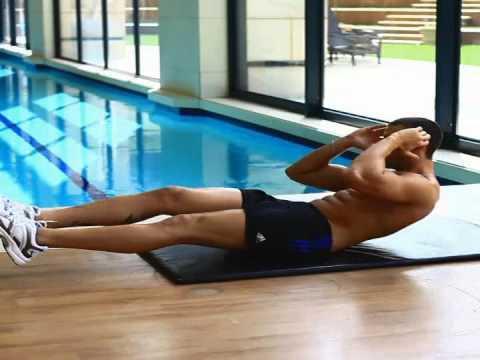
Sit upsSit upsAlternating sit upsAlternating sit upsCrunchesCrunchesAlternating sit upsAlternating sit ups

Ask an AI Pro

Your Wellness Support Team, Available 24/7

Ask our team of trusted health and lifestyle professionals anything – from fitness advice to emergency prep. It’s fast, private, and tailored to your needs.

Browse other categories

Alternative Medicine

Alternative Medicine

Experts providing natural or non-traditional therapies such as herbalism, energy healing, and complementary care.

https://thought.global/health-professionals/alternative-medicine/
Children’s Health

Children’s Health

Health specialists dedicated to the growth, development, and unique needs of infants, children, and teenagers.

https://thought.global/health-professionals/childrens-health/
Chronic Conditions

Chronic Conditions

Professionals assisting in the management of long-term conditions such as diabetes, hypertension, and autoimmune disorders.

https://thought.global/health-professionals/chronic-conditions/
Fitness & Recovery

Fitness & Recovery

Coaches and therapists guiding physical conditioning, sports performance, and post-injury rehabilitation.

https://thought.global/health-professionals/fitness-recovery/
Holistic

Holistic

Practitioners blending physical, emotional, and lifestyle approaches for whole-body wellness.

https://thought.global/health-professionals/holistic/
Medical

Medical

Professionals offering general and specialized medical care, diagnoses, and treatments.

https://thought.global/health-professionals/medical/
Men’s Health

Men’s Health

Focused support for male-specific health issues like prostate care, hormonal balance, and reproductive health.

https://thought.global/health-professionals/mens-health/
Mental Health

Mental Health

Professionals providing emotional, psychological, and behavioral health support.

https://thought.global/health-professionals/mental-health/
Nutrition & Diet

Nutrition & Diet

Specialists offering personalized dietary advice, nutrition plans, and food-based wellness guidance.

https://thought.global/health-professionals/nutrition-diet/
Pet Health

Pet Health

Veterinary advice on general pet care, minor health concerns, nutrition, behavior, and wellness for animals.

https://thought.global/health-professionals/pet-health/
Physical Wellness

Physical Wellness

Experts focused on movement, rehabilitation, injury prevention, and mobility improvements.

https://thought.global/health-professionals/physical-wellness/
Preventative Health

Preventative Health

Experts emphasizing early detection, regular screenings, vaccinations, and health risk reduction.

https://thought.global/health-professionals/preventative-health/
Skin Care

Skin Care

Specialists focused on maintaining healthy skin, treating dermatological conditions, and offering beauty-related health advice.

https://thought.global/health-professionals/skin-care/
Sports & Outdoor Coaching

Sports & Outdoor Coaching

Coaches specializing in physical performance for activities like running, swimming, cycling, hiking, and outdoor fitness.

https://thought.global/health-professionals/sports-outdoor-coaching/
Survival & Emergency

Survival & Emergency

Experts offering advice on handling medical emergencies, first aid, outdoor survival, and crisis preparedness.

https://thought.global/health-professionals/survival-emergency/
Weight Loss

Weight Loss

Coaches and health experts helping users achieve healthy, sustainable weight management.

https://thought.global/health-professionals/weight-loss/
Women’s Health

Women’s Health

Specialized care focusing on female reproductive health, hormones, pregnancy, and overall wellness.

https://thought.global/health-professionals/womens-health/
Log In

Search Database

Food ▲▼ Calories per 100 g ▲▼ Fat (g per 100 g) ▲▼ Carbs (g per 100 g) ▲▼ Protein (g per 100 g) ▲▼
Loading foods...
Food page notes

Food Page FAQ

How to use an individual food page to understand nutrition, compare choices, and make better eating-plan decisions.

What is a food single page for?

A food page gives more detailed nutrition context for one food item. It helps you look beyond the name and see calories, serving size, macronutrients, and other nutrient details where available.

How should I read the nutrition facts?

Start with serving size, calories, protein, carbohydrates, fat, fiber, sodium, and any standout vitamins or minerals. The numbers are most useful when you compare them to your meal goal, not when you stare at them like they owe you rent.

Why does serving size matter?

Serving size changes the whole nutrition picture. A food can look light or heavy depending on the portion, so always check whether the listed values match how much you actually plan to eat.

How does this food data help eating plans?

Food page data supports the eating plan creator by giving better building blocks for calories, macros, portions, and meal totals. Better food data means better planning decisions around goals, preferences, allergies, and exclusions.

Can I use food pages to compare similar foods?

Yes. Compare calories, protein, carbs, fat, fiber, sodium, and micronutrients to choose the food that best fits the meal you are building. It is food detective work, minus the trench coat.

Why are some nutrients missing or zero?

A missing or zero value can mean the nutrient is very low, not recorded, or unavailable in the stored data. Use the full page context and avoid making a big decision from one lonely number.

Are food pages diet advice?

No. Food pages provide nutrition information and educational context. If you have allergies, medical conditions, medication interactions, pregnancy-related needs, or clinical nutrition goals, check with a qualified professional.

What should I do after checking a food?

Use the food listing to compare alternatives, or add suitable foods into the eating plan creator so you can see how they fit with your full day of meals.