
Vine Deloria Jr.
Forced American thought to confront land, sovereignty, religion, and Indigenous intellectual authority.

Life and thought
Challenges colonial law, Christian mission history, scientific authority, land, sovereignty, and Indigenous intellectual self-definition.
Vine Deloria Jr. is presented in the Thought archive through indigenous thought, native american / standing rock sioux, standing rock sioux / united states, contemporary. The recorded life dates are 1933–2005. The profile connects this work to Indigenous Thought, Political Philosophy, Postcolonial Thought, Religion & Mysticism.
The central questions gathered here concern sovereignty, land, colonial critique, Indigenous religion, knowledge systems. Together they show the recurring problems, methods, and distinctions that define this thinker’s contribution.
Vine Deloria Jr. developed within an intellectual conversation shaped by Lakota/Dakota traditions, Native activism, Christian theology as critique. These names provide context for the traditions and problems surrounding the work; they do not imply simple agreement.
The surviving reading path begins with Custer Died for Your Sins, God Is Red, We Talk, You Listen. The recorded legacy extends toward Native American studies, Indigenous sovereignty, decolonial thought.
Five Defining Theories
The central ideas, methods, and arguments that give this thinker’s work its distinctive shape.
sovereignty
A central idea in this thinker’s work, method, and intellectual legacy.
land
A central idea in this thinker’s work, method, and intellectual legacy.
colonial critique
A central idea in this thinker’s work, method, and intellectual legacy.
Indigenous religion
A central idea in this thinker’s work, method, and intellectual legacy.
knowledge systems
A central idea in this thinker’s work, method, and intellectual legacy.
Life journey
A structured path through the verified context attached to this profile.
Context
1933–2005 · Standing Rock Sioux / United States · Contemporary
Intellectual formation
The recorded influences include Lakota/Dakota traditions, Native activism, Christian theology as critique.
Defining ideas
The profile centres on sovereignty, land, colonial critique, Indigenous religion, knowledge systems.
The work
A reading path through Custer Died for Your Sins, God Is Red, We Talk, You Listen.
Lasting influence
The recorded influence reaches Native American studies, Indigenous sovereignty, decolonial thought.
In time
Major Works
Texts through which the thinker’s ideas entered the wider intellectual record.
Custer Died for Your Sins
This work matters because it carries a central part of the thinker’s method, argument, or intellectual legacy into a form readers can examine directly.
God Is Red
This work matters because it carries a central part of the thinker’s method, argument, or intellectual legacy into a form readers can examine directly.
We Talk, You Listen
This work matters because it carries a central part of the thinker’s method, argument, or intellectual legacy into a form readers can examine directly.
Influence network
Trace the intellectual lineage into and beyond this thinker.
Selected quotations
Western civilization has had a major impact on this planet.
Religion is not a belief but a way of life.
Indians are not anti-American; we are anti-illusion.
A people without a history is like wind on the buffalo grass.
The future of mankind lies waiting for those who will come to understand their lives.
Schools of thought
Indigenous Thought
Explore the thinkers and ideas connected to this tradition.
Explore school P156 thinkersPolitical Philosophy
Explore the thinkers and ideas connected to this tradition.
Explore school P22 thinkersPostcolonial Thought
Explore the thinkers and ideas connected to this tradition.
Explore school R67 thinkersReligion & Mysticism
Explore the thinkers and ideas connected to this tradition.
Explore schoolConnected Thinkers
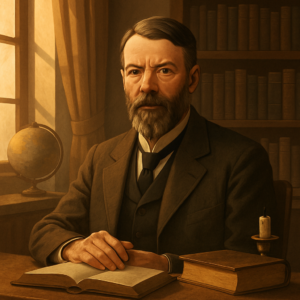
Max Weber
SharedPolitical Philosophy · Religion & Mysticism
View thinker →
Pierre Bourdieu
SharedPolitical Philosophy
View thinker →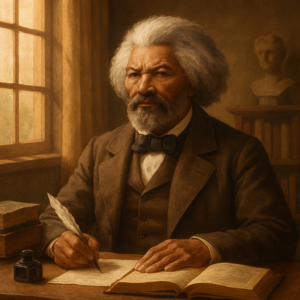
Frederick Douglass
SharedPolitical Philosophy
View thinker →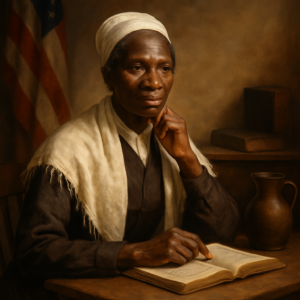
Sojourner Truth
SharedReligion & Mysticism
View thinker →
Émile Durkheim
SharedReligion & Mysticism
View thinker →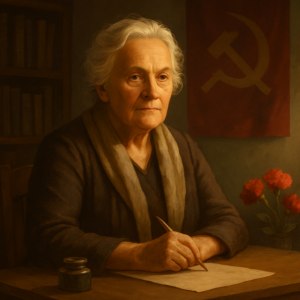
Clara Zetkin
SharedPolitical Philosophy
View thinker →Featured Debates
See how Vine Deloria Jr.’s perspective changes when it meets another mind.


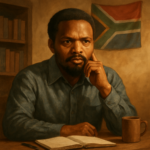
Should the Cost of Healthcare Outweigh the Value of Human Dignity?
In this provocative debate, leading thinkers Jaron Lanier, Martha Nussbaum, and Steve Biko engage in a critical discussion on whether the financial aspects of healthcare should…
View Debate →
Can Sovereignty Respect Human Rights Without Undermining National Security?
In a world increasingly defined by complex geopolitical tensions and the quest for human dignity, the question arises: Can a nation maintain its sovereignty while respecting…
View Debate →
Is the Gig Economy Sustainable for Long-Term Economic Security?
The gig economy has transformed how individuals engage with work, offering flexibility and autonomy. However, its implications for long-term economic security remain contentious. This debate brings…
View Debate →

How Does Housing Policy Shape Societal Equity?
Housing policy is a cornerstone of societal structure and equity. This debate brings together three influential thinkers: Vannevar Bush, known for his role in shaping technology…
View Debate →Continue the conversation with Vine Deloria Jr..
Test an assumption, explore an idea, or bring this perspective into dialogue with a council of other thinkers.