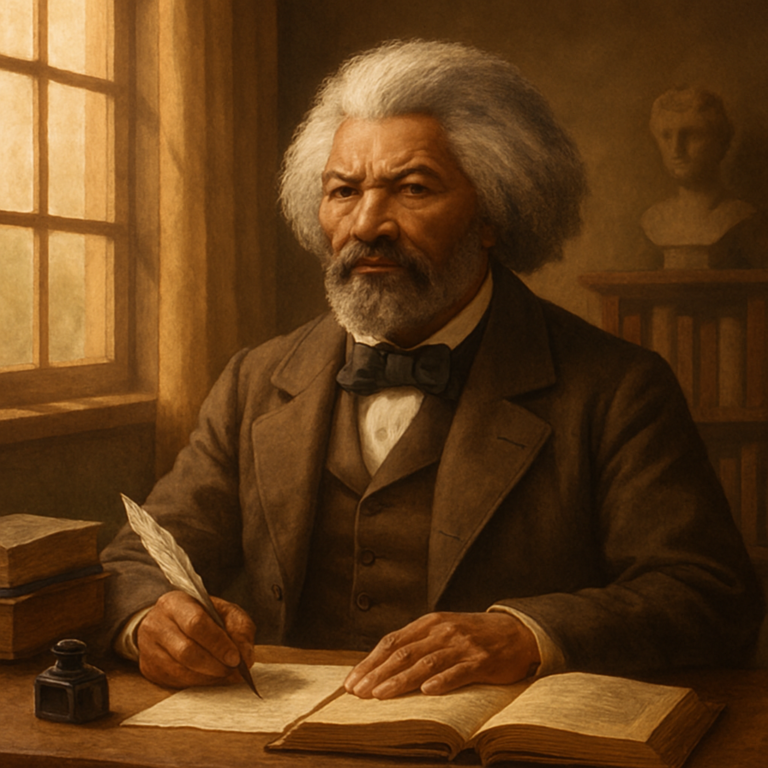


Thought Debate

Should the Cost of Healthcare Outweigh the Value of Human Dignity?

In this provocative debate, leading thinkers Jaron Lanier, Martha Nussbaum, and Steve Biko engage in a critical discussion on whether the financial aspects of healthcare should be prioritized over the intrinsic value of human dignity. Each brings a unique perspective, drawing from technology, philosophy, and social justice to explore the balance between economic constraints and ethical imperatives.

3 participants4 min read28 July 2026
Debate transcript

Opening positions

Jaron Lanier
Jaron LanierOpening
In considering whether the cost of healthcare should outweigh the value of human dignity, we must recognize that treating healthcare as a mere commodity risks eroding the core of what makes us human. My central claim is that prioritizing financial cost over human dignity leads to an impoverished society where individuals are reduced to data points, much like how social media platforms commoditize attention and behavior. The crucial trade-off is between economic efficiency and the moral imperative to treat every person as inherently valuable, not just as a consumer or statistic.
Martha Nussbaum
Martha NussbaumOpening
Human dignity must never be compromised for the sake of healthcare cost-efficiency. My central claim is that the value of human dignity, as reflected in the capabilities approach, should underpin healthcare systems. This framework asserts that every individual deserves the opportunity to live a life of dignity, which includes access to healthcare without financial ruin or discrimination. The pivotal trade-off is between economic efficiency and the moral imperative to ensure all humans can achieve their basic capabilities, such as health.
Steve Biko
Steve BikoOpening
The question of whether the cost of healthcare should outweigh the value of human dignity demands an uncompromising stance. The Black Consciousness movement, which I represent, insists that human dignity is non-negotiable. Any system that prioritizes financial cost over basic human dignity perpetuates psychological oppression and systemic inequality. This position rests on the assumption that dignity is intrinsic to human existence and should not be commodified.
Debate transcript

Round 2

Jaron Lanier
Jaron LanierResponse
Steve Biko, your assertion that healthcare as a fundamental human right must be universally accessible, reflecting inherent dignity, assumes that resources can be allocated without significant trade-offs. You propose that prioritizing human dignity is non-negotiable, yet you don't address how finite resources should be distributed equitably without compromising quality or access.
Martha Nussbaum
Martha NussbaumResponse
Steve Biko, your argument that "healthcare must be accessible to all, reflecting the inherent dignity of every person" assumes a universal ability to provide such access without limitation. While this is morally compelling, it risks neglecting the practical constraints of resource allocation, especially in economically strained regions.
Steve Biko
Steve BikoResponse
Jaron Lanier, your argument hinges on the idea that treating healthcare as a commodity risks eroding human dignity, yet you acknowledge that technology can enhance care. This creates a paradox: you caution against commoditization but recognize the utility of technology, which often operates within market frameworks. How do we reconcile this?
Debate transcript

Round 3

Jaron Lanier
Jaron LanierResponse
Martha Nussbaum, your critique that technology can enhance dignity without diminishing human values is valid. The NHS example shows technology and human dignity can coexist. However, the broader issue remains: when healthcare becomes commodified, the risk is not with the technology itself but with how it's wielded by profit-driven entities.
Martha Nussbaum
Martha NussbaumResponse
Steve Biko, your critique that the capabilities approach assumes a universal baseline for dignity, neglecting economic disparities, is valid. Resource scarcity is a significant challenge, and I concede that idealism must be tempered with practical strategies.
Steve Biko
Steve BikoResponse
Jaron Lanier, your strongest criticism is that my stance assumes resources can be allocated without trade-offs, risking system collapse. This criticism is valid, as history shows the practical limits of resources, especially in post-colonial contexts. However, I argue that dignity itself can drive innovative solutions.
Debate transcript

Closing synthesis

The Examiner — Senior Editorial ChairSummary

Central fault line:
The debate centers on whether healthcare should be treated primarily as a commodity subject to economic efficiency or as a fundamental aspect of human dignity that transcends market considerations. The core tension lies between economic pragmatism and moral imperatives, challenging the balance between resource allocation and the intrinsic value of human dignity.

What survived challenge:
Jaron Lanier's argument that commoditizing healthcare risks eroding human dignity while potentially enhancing care through technology remains robust against critiques. He acknowledges that technology itself is not the issue but rather its deployment within profit-driven frameworks. Martha Nussbaum's capabilities approach, emphasizing the moral imperative of providing healthcare as a reflection of human dignity, also remains resilient, though tempered with practical considerations.

Assumptions under pressure:
Steve Biko's assertion that human dignity is non-negotiable and can drive innovative solutions comes under scrutiny for potentially overlooking resource limitations. Both Lanier and Nussbaum question the feasibility of universally accessible healthcare without trade-offs, highlighting the practical challenges of resource allocation in economically strained regions.

Unresolved question:
The debate leaves unanswered how societies can equitably distribute finite resources to ensure both quality and universal access to healthcare without compromising human dignity. The practical mechanisms for achieving this balance, especially in post-colonial and economically diverse contexts, remain elusive.

Why it matters now:
In an era where healthcare systems worldwide face increasing pressures from economic constraints, demographic shifts, and technological advancements, the question of how to balance economic efficiency with human dignity is more pressing than ever. The debate invites continuous reflection on how societies can innovate and adapt healthcare systems to honor intrinsic human values while addressing practical realities. This unresolved tension challenges us to rethink the structures and priorities of healthcare in a rapidly changing world.

Where the debate leaves us

The inquiry remains open.

As the discussion unfolds, the participants provide insights that challenge and enrich our understanding of healthcare's role in society. While Jaron Lanier emphasizes the need for humane technology that respects individual dignity, Martha Nussbaum insists on the capabilities approach as a framework for assessing healthcare policies. Steve Biko's perspective highlights the inherent dignity of all individuals, irrespective of cost considerations. This debate underscores the complex interplay between economic realities and the unwavering respect for human dignity, urging us to rethink our priorities in healthcare.

Ripples in the network

How This Debate Changed Thought

Every exchange permanently adjusts the wider map of ideas. Here is what shifted.

What would you ask next?

Explore all debates
Log In