The Power of Consciousness: A Biko-Inspired Exploration of Identity and Liberation
Introduction
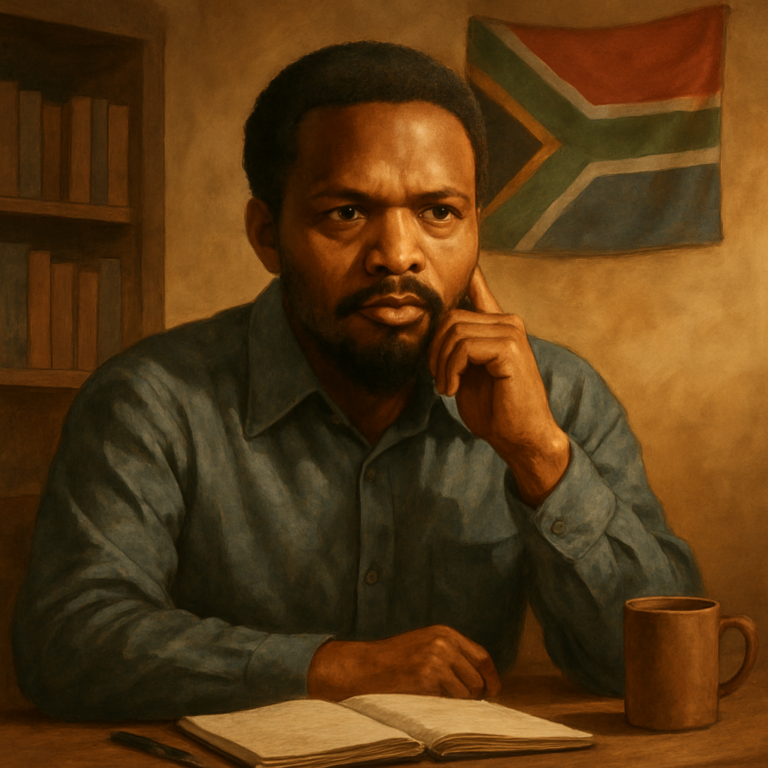
In the struggle against apartheid, Steve Biko famously articulated the necessity of black consciousness as a means of liberation. His assertion that “the greatest weapon in the hands of the oppressor is the mind of the oppressed” encapsulates a profound truth: the battle for freedom is as much about psychological and cultural emancipation as it is about political and economic liberation. In this essay, we will explore the philosophical and psychological dimensions of identity, consciousness, and liberation through the lens of Biko’s thought, examining the implications for contemporary social justice movements.
The Concept of Black Consciousness
Black consciousness, as Biko defined it, is not merely a response to oppression; it is an affirmation of identity and dignity. It seeks to instill a sense of self-worth among black people, enabling them to recognize their humanity in a society that has systematically dehumanized them. This concept can be unpacked into several key components:
- Awareness of Oppression: Recognizing the systemic nature of racism and its psychological impact.
- Affirmation of Identity: Embracing one’s cultural heritage and identity as a source of strength.
- Collective Solidarity: Building a sense of community among the oppressed to foster collective action.
Through these components, black consciousness emerges as both a psychological framework and a political strategy. It challenges internalized racism and encourages individuals to reclaim their identity, which is crucial for fostering resilience and mobilizing for change.
The Philosophical Foundations of Consciousness
To further understand Biko’s perspective, we can draw upon philosophical traditions that illuminate the nature of consciousness and identity. For instance, existentialists like Jean-Paul Sartre emphasized the importance of self-definition in a world that seeks to impose meaning upon individuals. Sartre’s idea that “existence precedes essence” resonates with Biko’s advocacy for self-determination. Biko’s insistence that black people must define their own identity reflects a similar existential assertion.
However, Biko’s framework extends beyond individualism. While existentialism often emphasizes personal freedom, Biko’s black consciousness underscores the significance of collective identity. This distinction raises important questions: How do we balance individual self-definition with collective solidarity? Can true liberation be achieved without acknowledging the interconnectedness of our identities?
Psychological Dimensions of Oppression
Understanding the psychological effects of oppression is central to Biko’s argument. The internalization of racism leads to what psychologists call “identity crisis,” where individuals struggle to reconcile their self-image with societal perceptions. This crisis can result in feelings of worthlessness, alienation, and despair. Biko’s work urges us to consider how these psychological wounds manifest in broader social contexts.
Contemporary psychologists and social theorists, such as Frantz Fanon, have explored these themes in depth. Fanon’s analysis of the psychological effects of colonialism highlights the deep scars left by oppression on both individual and collective psyches. He argues that the colonized must confront their trauma to reclaim their identity. Biko’s advocacy for black consciousness aligns with this need for psychological reclamation, emphasizing the importance of healing and self-affirmation in the liberation process.
Ethical Implications of Consciousness
At the heart of Biko’s thought lies an ethical imperative: the recognition of the humanity of the oppressed. This demands not only a critique of systemic injustices but also a commitment to fostering environments where individuals can thrive. Ethical questions arise: What responsibilities do individuals have toward one another in the pursuit of liberation? How can we ensure that our movements for justice do not perpetuate cycles of oppression?
In addressing these questions, we must acknowledge the potential for ethical contradictions within social movements. For example, while the fight against racism is vital, it should not devolve into a quest for power that replicates the very structures of domination we seek to dismantle. Biko’s emphasis on the psychological aspects of liberation compels us to consider the ethics of our methods: are we uplifting marginalized voices or merely co-opting them for our agendas?
The Mystical Dimensions of Liberation
Biko also hints at a spiritual dimension of liberation that transcends mere political struggle. His belief in the power of communal identity suggests a deeper connection to the collective consciousness of the oppressed. Drawing from African philosophical traditions, we can understand this communal aspect as a form of spiritual interconnectedness that reinforces the importance of collective action.
In this context, one might compare Biko’s thoughts with those of other African thinkers like Kwame Nkrumah, who emphasized the need for a pan-African unity that transcends national boundaries. This mysticism rooted in communal identity raises profound questions: How can spiritual beliefs inform our understanding of justice? What role does community play in the liberation process?
Practical Implications for Contemporary Movements
The insights gained from Biko’s thought have significant implications for contemporary social justice movements. As we confront issues of systemic racism, gender inequality, and economic injustice, we must remain vigilant about the psychological dimensions of our struggles. Empowering individuals to reclaim their identity and fostering collective solidarity are crucial steps toward achieving meaningful change.
Some practical implications include:
- Education and Awareness: Creating spaces for dialogue that promote awareness of historical and systemic injustices.
- Community Building: Fostering collective identities that emphasize shared experiences and solidarity.
- Psychological Support: Addressing the psychological impacts of oppression through mental health initiatives that prioritize cultural competence.
- Ethical Engagement: Ensuring that movements for justice remain rooted in ethical considerations that uplift marginalized voices.
By integrating these elements into our social justice efforts, we can work toward a more equitable and just society that honors the legacy of thinkers like Steve Biko.
Conclusion
Steve Biko’s contributions to the discourse on identity, consciousness, and liberation remain profoundly relevant today. His emphasis on black consciousness as a means of psychological and cultural reclamation offers valuable insights into the complexities of contemporary social justice movements. As we navigate the intricacies of identity, community, and ethical engagement, we must remain mindful of the lessons Biko imparted. In doing so, we honor the struggle for liberation and strive toward a future where all individuals can embrace their humanity with dignity and pride.