The Virtue of Reflection: A Confucian Inquiry into Self-Examination
Introduction
In the journey of life, the path we tread is often fraught with uncertainty and complexity. To navigate this terrain, one must not only strive for knowledge and wisdom but also cultivate the art of reflection. Drawing inspiration from the teachings of Confucius, we delve into the significance of self-examination as a means to foster personal virtue and societal harmony. This essay will explore the principles of self-awareness, the role of ethical behavior, and the implications of reflective practice in our daily lives.
The Nature of Self-Examination
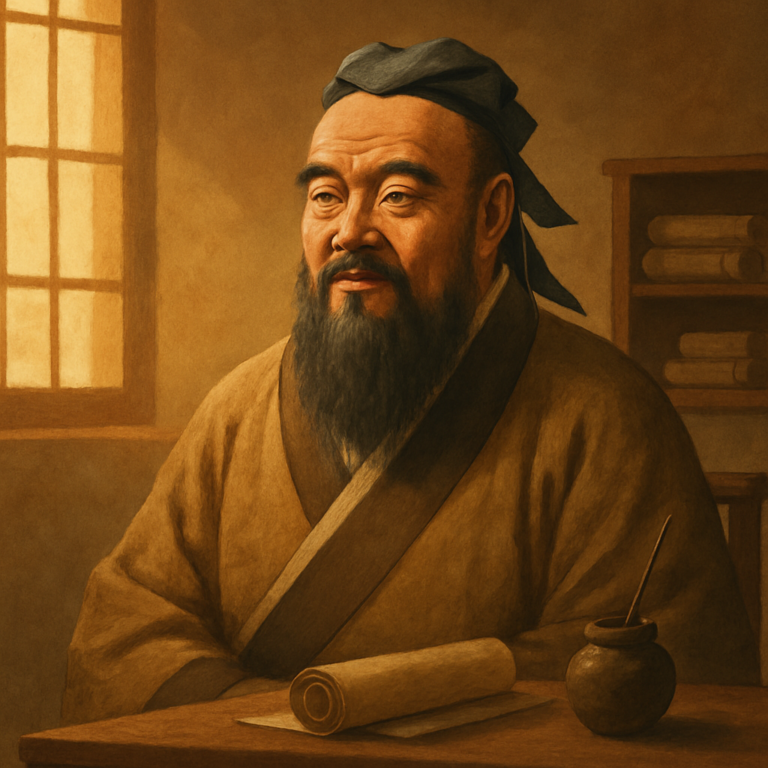
At the heart of Confucian philosophy lies the belief that the cultivation of virtue begins within oneself. Confucius emphasized the importance of introspection, famously stating, “Is it not a joy to have friends come from afar? Is it not a joy to learn from others? Is it not a joy to reflect on oneself?” Here, he invites us to consider the value of looking inward as a critical component of personal development.
What is Self-Examination?
Self-examination can be understood as a deliberate and thoughtful process of assessing one’s thoughts, feelings, and behaviors. It is an act of turning one’s gaze inward, questioning one’s motives, and evaluating the impact of one’s actions on oneself and others. In this sense, self-examination is not merely an indulgence in navel-gazing; rather, it is a profound ethical practice rooted in the pursuit of virtue.
Contrasting Views
While Confucius champions self-reflection, other philosophical traditions take varied approaches. For instance, existentialist thinkers like Jean-Paul Sartre advocate for radical freedom and authenticity, encouraging individuals to embrace their choices without the need for external validation. In contrast, Confucian thought underscores the interconnectedness of individuals within a social fabric, asserting that one’s personal growth is intrinsically linked to the welfare of the community.
The Ethical Dimension of Self-Examination
In Confucianism, the ethical implications of self-examination are paramount. The practice allows individuals to confront their shortcomings and cultivate virtues such as benevolence (ren), righteousness (yi), and propriety (li). The cultivation of these virtues is not simply for personal gain; rather, it serves to create a harmonious society.
The Role of Virtue in Society
Confucius posited that a virtuous individual contributes positively to the moral fabric of society. When individuals engage in self-examination, they develop a deeper understanding of their responsibilities toward others. Therefore, the act of reflection becomes a communal practice, fostering empathy and understanding. As we cultivate our virtues, we become better equipped to fulfill our roles within our families, communities, and nations.
Practical Implications of Reflective Practice
Engaging in self-examination prompts several practical considerations:
- Personal Accountability: By reflecting on our actions, we become more accountable for our decisions, leading to a more ethical life.
- Conflict Resolution: Self-examination encourages us to approach conflicts with humility, allowing for greater understanding and resolution.
- Leadership Development: Leaders who reflect on their values and actions can inspire trust and integrity within their communities.
The Challenges of Self-Examination
Despite its many benefits, self-examination is not without its challenges. The process can evoke discomfort as we confront our flaws and biases. Additionally, societal pressures may discourage honest reflection, pushing individuals to conform rather than engage in introspection.
Coping with Discomfort
Addressing the discomfort associated with self-examination requires courage and resilience. Confucius teaches us that the path to virtue is often steep and fraught with obstacles. Yet, it is essential to approach these challenges with an open heart, recognizing that growth often emerges from discomfort.
Counterarguments to Self-Examination
Critics may argue that excessive self-examination leads to paralysis or self-doubt, inhibiting decisive action. They may advocate for a more outward-facing approach, emphasizing engagement with the world rather than introspection. However, it is crucial to strike a balance between reflection and action. The Confucian perspective suggests that informed action arises from a foundation of self-awareness.
Modern Applications of Confucian Self-Examination
In our contemporary world, the principles of Confucian self-examination can be applied across various domains. In education, for instance, fostering a reflective mindset among students can enhance their moral and ethical development. In the workplace, leaders who prioritize reflection can cultivate a culture of trust and collaboration.
Education and Self-Reflection
Educational institutions can incorporate reflective practices into their curricula, encouraging students to engage in self-assessment and peer reviews. By doing so, they not only promote academic growth but also nurture ethical citizens who are aware of their social responsibilities.
Leadership and Organizational Culture
In the realm of business, leaders can benefit from Confucian self-examination by regularly assessing their values, decision-making processes, and the impacts of their leadership on their teams. This practice can lead to more ethical decision-making and a stronger organizational culture.
Conclusion: The Ongoing Journey of Reflection
In conclusion, the virtue of self-examination stands as a cornerstone of Confucian thought. By engaging in this reflective practice, individuals can cultivate personal virtue, contribute to societal harmony, and navigate the complexities of life with greater wisdom and grace. As we embark on our journeys of self-discovery, let us remember that the process is ongoing, requiring patience, humility, and a steadfast commitment to growth. In the spirit of Confucius, may we strive not only to know ourselves but also to become the best versions of ourselves, ultimately benefiting both ourselves and the wider community.