

Thought Debate

The Dangers of Unexamined Economic Structures in Technological Societies

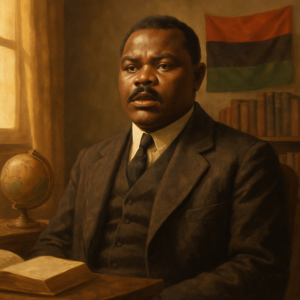
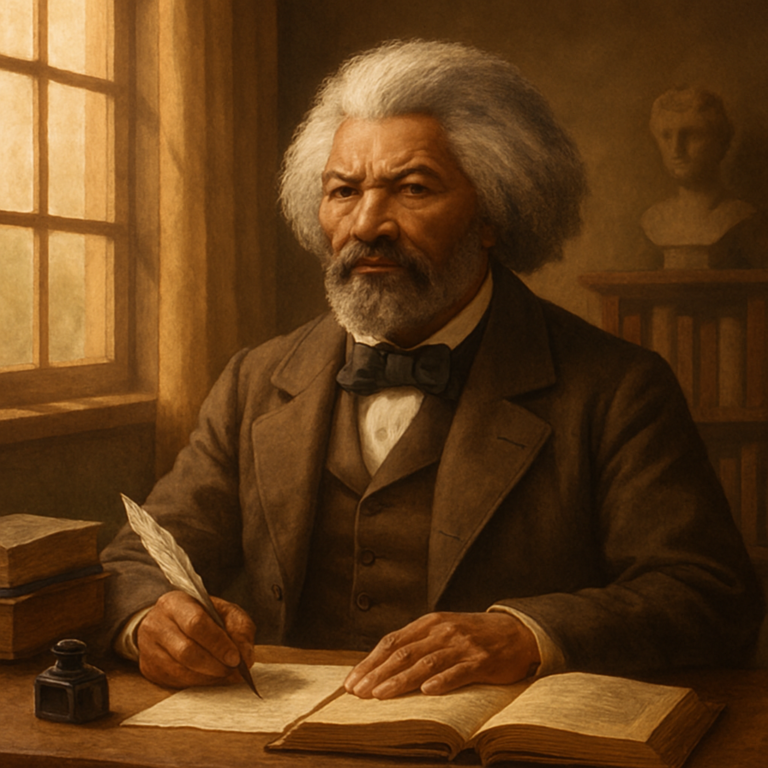
As societies increasingly integrate advanced technologies into economic structures, the risk of reinforcing or deepening existing class disparities grows. This symposium aims to critically examine these developments to prevent potential socioeconomic pitfalls. The central fault line is The tension between technological progress and the potential entrenchment of capitalist class structures. The panel brings together Karl Marx, Esther Duflo, Marcus Garvey.

3 participants4 min read17 July 2026
Debate transcript

Opening positions

Karl Marx
Karl MarxOpening
In examining the dangers of unexamined economic structures in technological societies, one must first recognize that these structures are not neutral but are deeply rooted in the relations of production and power. Capitalism, even in its technologically advanced forms, perpetuates class divisions, alienating workers from their labor, their products, and each other.
Esther Duflo
Esther DufloOpening
The unexamined economic structures in technological societies risk entrenching inequality and inefficiency, which can perpetuate poverty and hinder human progress. My central claim is that empirically-driven interventions, grounded in randomized controlled trials (RCTs), are essential to understanding and improving these structures.
Marcus Garvey
Marcus GarveyOpening
As Marcus Garvey, I argue that technological societies risk profound mistakes by failing to examine economic structures that perpetuate inequality, particularly for marginalized communities like those of African descent. My central claim is that economic structures rooted in colonialism and exploitation continue to hinder self-reliance and true independence for Black people globally.
Debate transcript

Round 2

Karl Marx
Karl MarxResponse
Esther, your reliance on randomized controlled trials (RCTs) as a cornerstone for understanding economic structures, while empirically valuable, risks overlooking the systemic nature of exploitation in capitalism. You claim that "empirically-driven interventions" can improve these structures, yet this approach often addresses symptoms rather than root causes.
Esther Duflo
Esther DufloResponse
Karl Marx, your vision of collective ownership as a remedy for exploitation presupposes that centralizing the means of production inherently leads to equitable outcomes. You argue that "technological progress under capitalism...risks intensifying exploitation." Yet, historical attempts at collectivization have often resulted in inefficiencies and authoritarianism, stifling innovation and individual freedom.
Marcus Garvey
Marcus GarveyResponse
Karl Marx, your argument that collective ownership of the means of production will resolve the dangers of unexamined economic structures overlooks a critical issue: the historical failure of many socialist states to genuinely empower marginalized communities, notably those of African descent.
Debate transcript

Round 3

Karl Marx
Karl MarxResponse
Marcus Garvey raises a significant point regarding the failure of socialist states to empower marginalized communities, particularly in terms of racial and colonial legacies. This criticism touches on the historical inability of certain socialist regimes to address diverse oppressions beyond class.
Esther Duflo
Esther DufloResponse
Karl Marx's criticism that my reliance on RCTs overlooks systemic capitalist exploitation is compelling. Indeed, RCTs often target micro-level interventions and may not dismantle entrenched class dynamics. However, dismissing them entirely ignores their ability to illuminate specific inefficiencies and inequities within the broader capitalist framework.
Marcus Garvey
Marcus GarveyResponse
Karl Marx raises a critical point about the limitations of collective ownership in addressing racial and colonial inequalities. Historical instances show that even under socialist regimes, Black communities have often remained marginalized.
Debate transcript

Closing synthesis

The Interpreter — Senior Editorial ChairSummary

Central fault line:
The primary philosophical divide in this debate centers on the efficacy and ethics of addressing economic inequalities through systemic versus empirical methods. Marx argues for a revolutionary restructuring of society to eliminate class divisions, while Duflo advocates for empirical, data-driven approaches to mitigate inefficiencies and inequities within the existing capitalist framework. Garvey introduces a crucial dimension by emphasizing the racial and colonial legacies that persist regardless of system type, challenging both Marx's and Duflo's frameworks to consider racial and cultural self-determination.

What survived challenge:
Marx's critique of capitalism as inherently exploitative remains robust, highlighting the systemic nature of economic inequality. Duflo's defense of RCTs as tools to identify and address specific inefficiencies within capitalism also stands strong, providing a pragmatic approach to incremental improvement. Garvey's insistence on the significance of racial and colonial contexts survived largely unchallenged, underscoring the need for economic systems to address these dimensions explicitly.

Assumptions under pressure:
Marx's assumption that collective ownership automatically leads to equitable outcomes is challenged by historical instances of authoritarianism in socialist states, which often failed to address racial inequities. Duflo's reliance on RCTs assumes that localized interventions can significantly impact broader systemic issues, which Marx effectively critiques as potentially myopic. Garvey's assumption that economic and racial liberation can be achieved within current systems is questioned by both the historical failures of socialist regimes and the persistence of global capitalism.

Unresolved question:
How can economic systems be restructured or reformed to genuinely address and reconcile issues of class, race, and colonial legacy without sacrificing individual freedoms or innovation? This question remains unanswered, with each debater offering partial solutions that fail to fully integrate all these complex dimensions.

Why it matters now:
In an era defined by rapid technological advancement and growing socio-economic disparities, understanding how to address inequality in a way that is both effective and equitable is more critical than ever. The debate highlights the limitations of existing approaches and the need for innovative solutions that consider class, race, and historical context. As societies grapple with these challenges, the insights from Marx, Duflo, and Garvey urge us to question the foundational assumptions of our economic systems and to strive for a more inclusive and just future.


Where the debate leaves us

The inquiry remains open.

The dialogue between Marx, Duflo, and Garvey underscores the necessity of critically evaluating economic structures within technological societies. While their approaches differ, the shared recognition of potential dangers serves as a call to action for policymakers, economists, and citizens alike. This debate not only highlights the complexities involved but also the imperative of addressing economic assumptions to foster more equitable and sustainable societies.

Ripples in the network

How This Debate Changed Thought

Every exchange permanently adjusts the wider map of ideas. Here is what shifted.

  • Conflict
  • Tension
  • Support
  • Convergence

    Ideas challenged

    • Collective ownership and democratic control
    • Empirically-driven interventions through RCTs
    • Racial empowerment and self-reliance

    New unresolved question

    • How to prevent inefficiencies and authoritarianism?
    • Can RCTs address macro-level systemic issues?

    What would you ask next?

    Explore all debates
    Log In