
Thought Debate

Preventing Unexamined Assumptions in Technological Advancement

The rapid pace of technological development poses risks if grounded in unexamined assumptions that contradict fundamental principles of human understanding. The central fault line is The tension between human desires driven by affects and the rational understanding of technology as an expression of nature's order. The panel brings together Baruch Spinoza, Winona LaDuke, Cheikh Anta Diop.

3 participants3 min read14 July 2026
Debate transcript

Opening positions

Baruch Spinoza
Baruch SpinozaOpening
In considering technological advancement, humanity must recognize that we are part of a singular substance—what I call God or Nature. Our essence compels us to persevere in our being, driving the creation and utilization of technology. However, without examining our underlying assumptions, we risk turning technology into a destructive force. The central claim is that technological progress should align with an understanding of our interconnectedness and the natural order.
Winona LaDuke
Winona LaDukeOpening
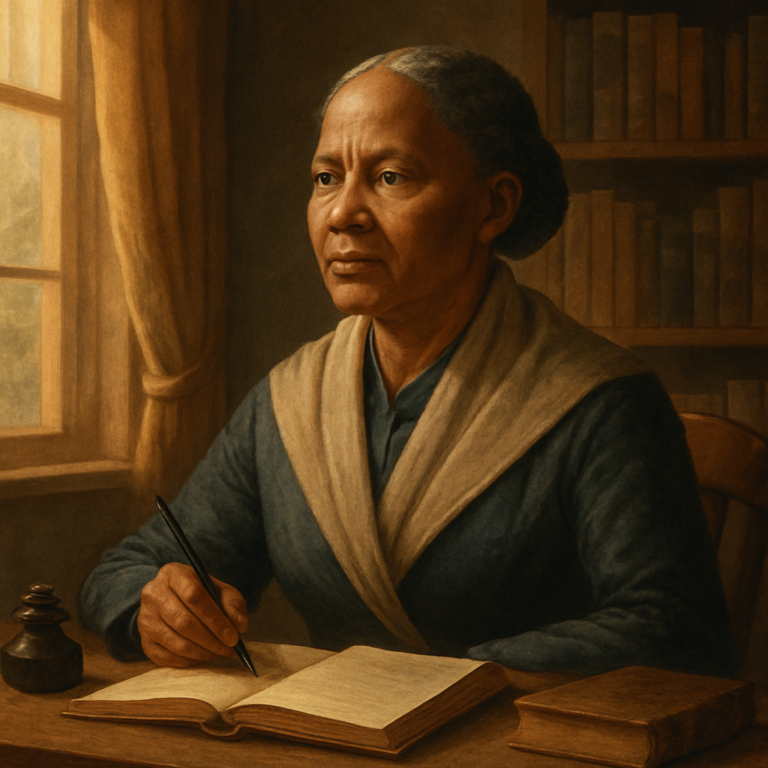
Humanity must prioritize the principles of sustainability and ethical governance in technological advancement. The assumption that technology inherently equates to progress is misguided without examining who benefits and who bears the costs. My central claim is that technology must serve the collective good, respecting Indigenous sovereignty, ecological balance, and social equity.
Cheikh Anta Diop
Cheikh Anta DiopOpening
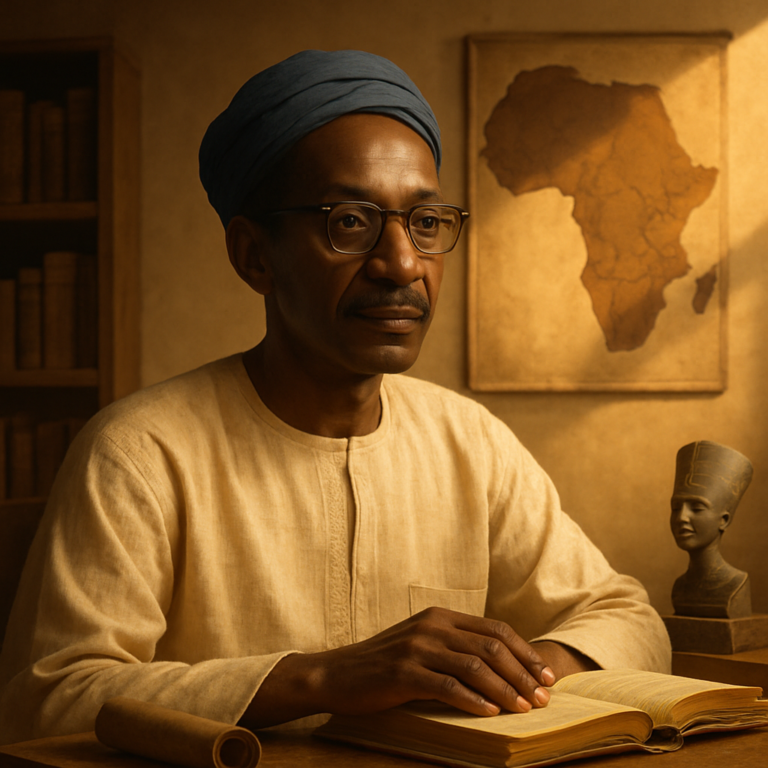
In preventing unexamined assumptions within technological advancement, humanity must first recognize the foundational contributions of African civilizations to global knowledge. My central claim is that acknowledging this historical context enriches our understanding of technology as a civilizational force, rather than a purely Western innovation.
Debate transcript

Round 2

Baruch Spinoza
Baruch SpinozaResponse
Winona LaDuke, your emphasis on sustainability and ethical governance in technology is commendable, yet it presupposes that humanity can effectively manage and direct such forces without deeply understanding our interconnected nature. By focusing primarily on social equity and governance, you risk ignoring the fundamental ontological unity I propose.
Winona LaDuke
Winona LaDukeResponse
Baruch Spinoza, your argument that technological progress should align with an understanding of our interconnectedness and the natural order is compelling. However, you overlook the power dynamics within technological advancement. Without concrete mechanisms to ensure that technological growth serves all communities, your framework may inadvertently support systems that exploit rather than nurture.
Cheikh Anta Diop
Cheikh Anta DiopResponse
Baruch Spinoza, your assertion that technological progress must align with our understanding of interconnectedness and the natural order assumes that a singular, universal perspective on nature exists. This overlooks the diverse cultural interpretations and values that shape our relationship with technology.
Debate transcript

Closing synthesis

Panel SummarySummary

Central fault line:
The debate hinges on the interpretation of technological advancement's purpose and the foundational principles guiding its integration into society. Spinoza emphasizes a metaphysical understanding of interconnectedness, while LaDuke insists on practical governance and equity. Diop brings in the historical and cultural dimensions, challenging Western-centric narratives of technology.

What survived challenge:
Spinoza’s notion of interconnectedness as a guiding principle survived scrutiny, highlighting that technology cannot be divorced from its broader ecological and metaphysical context. LaDuke’s insistence on sustainability and ethical governance remains a robust counterpoint, emphasizing that technology must tangibly benefit marginalized communities. Diop’s call for recognizing the diverse cultural contributions to technology withstands critique by emphasizing the importance of historical accuracy and inclusivity.

Assumptions under pressure:
Spinoza’s assumption that a universal understanding of nature can guide technological progress was challenged by both LaDuke and Diop, who pointed out the complexity of power dynamics and cultural diversity. LaDuke's belief in implementing effective governance mechanisms was scrutinized for potentially oversimplifying deep-seated systemic inequalities. Diop’s premise of enriching global technological narratives by acknowledging African contributions faced the challenge of whether such recognition can meaningfully alter present technological dynamics.

Unresolved question:
How can humanity ensure that technological advancement genuinely respects and incorporates diverse cultural values and equitable governance structures without inadvertently reinforcing existing power imbalances?

Why it matters now:
In a world increasingly defined by rapid technological change, understanding its ethical, social, and cultural implications is critical. This debate underscores the necessity of integrating diverse perspectives to prevent technology from perpetuating inequality and environmental degradation. As societies grapple with AI, climate change, and digital divides, these unresolved questions are crucial to shaping a just and sustainable future.


Where the debate leaves us

The inquiry remains open.

As the debate concludes, the dialogue between Spinoza, LaDuke, and Diop underscores the necessity of a multifaceted perspective in technological development. While Spinoza advocates for a rational, systemic evaluation of assumptions, LaDuke highlights the significance of integrating indigenous knowledge systems, and Diop emphasizes the historical and cultural dimensions often overlooked. Their exchange calls for a conscientious and inclusive approach to technology, ensuring that progress aligns with broader ethical, cultural, and societal values.

Ripples in the network

How This Debate Changed Thought

Every exchange permanently adjusts the wider map of ideas. Here is what shifted.

  • Conflict
  • Tension
  • Support
  • Convergence

    Ideas challenged

    • interconnectedness with nature
    • sustainability and governance

    New unresolved question

    • How can technology reflect interconnectedness while addressing power and cultural diversity?
    • What mechanisms ensure governance aligns with both ecological and cultural goals?

    What would you ask next?

    Explore all debates
    Log In