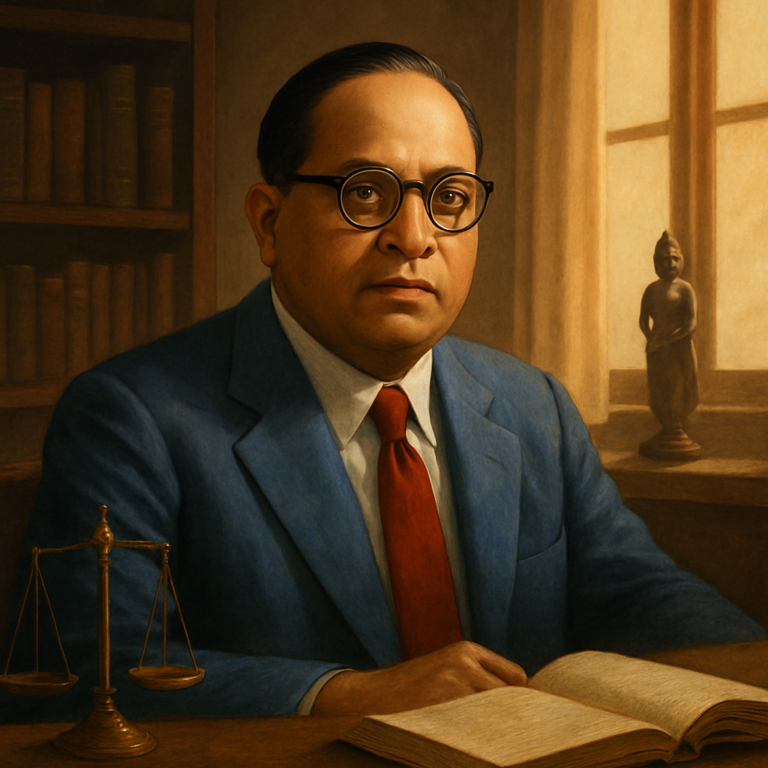
Opening positions



Round 2
Round 3
Closing synthesis

Central fault line:
The core of the debate centers on whether universal healthcare should be pursued as a fundamental right ensuring economic equality or if it inherently leads to inefficiencies that stifle innovation. The tension lies between the moral imperative of universal access to healthcare and the potential economic consequences of government-managed systems.
What survived challenge:
B. R. Ambedkar's assertion that state intervention can promote social justice and innovation was bolstered by historical examples such as public investment in vaccines. John Stuart Mill's argument that healthcare access is essential to liberty and equality remains intact, emphasizing the intrinsic value of universal healthcare. Thomas Sowell's critique of inefficiencies in government systems, exemplified by the NHS, withstands scrutiny and highlights the need for system reform rather than outright rejection.
Assumptions under pressure:
Ambedkar's assumption that state intervention is inherently effective faced significant scrutiny from both Sowell and Mill, who pointed out potential inefficiencies. Sowell's premise that market competition is the primary driver of innovation was effectively challenged with historical evidence of public sector contributions to medical advancements. Mill's belief in the moral imperative of universal healthcare faced questions about practical implementation and resource allocation.
Unresolved question:
How can universal healthcare systems be structured to ensure both equitable access and efficiency in resource allocation, without stifling innovation or succumbing to bureaucratic inefficiencies?
Why it matters now:
In the contemporary context, where healthcare disparities continue to affect millions globally, the debate on universal healthcare remains urgent. The challenge is crafting policies that balance moral imperatives with economic realities, ensuring that access to healthcare does not become a privilege of wealth while maintaining an environment conducive to innovation. This unresolved question remains vital as nations grapple with healthcare reform and the pressures of an ever-evolving global health landscape.