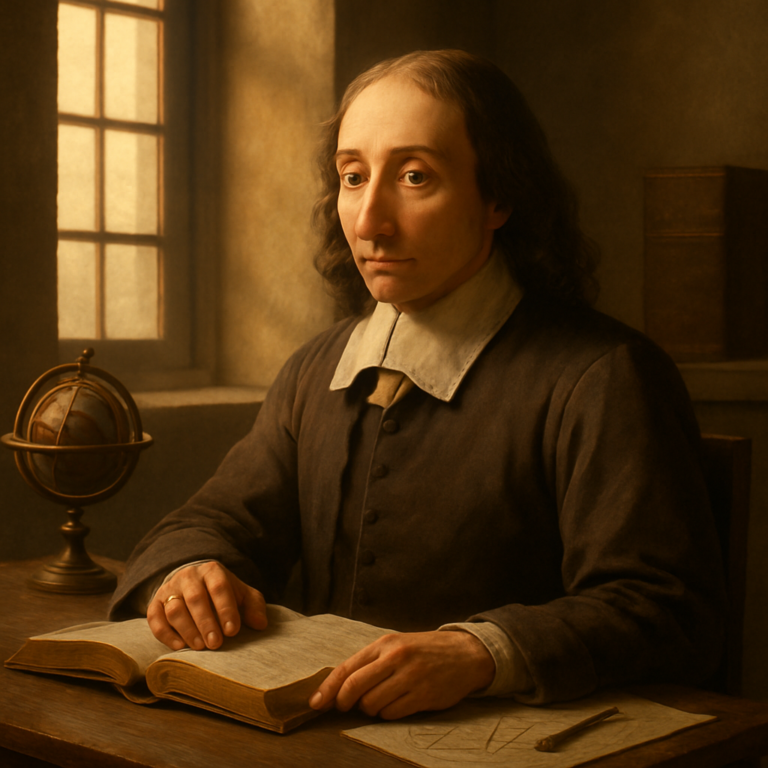
Opening positions

The trade-off is that rigorous examination may slow innovation, potentially delaying beneficial technologies. However, the long-term consequences of unchecked technological growth are more perilous. One later development challenging this view is the rapid pace of technological advancement, which often outstrips our capacity for immediate moral evaluation. This necessitates a more dynamic framework for ethical assessment, yet without abandoning the foundational role of reason.

The most important trade-off here is between technological progress and ethical oversight. Historical evidence of environmental degradation due to industrialization challenges my view, suggesting reasoned caution hasn’t always been enough. Yet, without integrating moral reflection, we risk technologies that serve economic growth but impoverish human life spiritually and ethically. Reason must be balanced with the heart's wisdom to ensure technology enhances, not diminishes, human dignity.

Humanity stands at a crossroads where reason must guide us in evaluating technological progress. My position asserts that reason is our most crucial tool in scrutinizing technologies that shape society. This assumes that an unexamined acceptance of technology risks reinforcing existing inequalities and undermining human dignity. If we reject reason, we allow technologies to dictate human values rather than serve them.
A central claim: Technologies should be evaluated not only on efficiency but on their capacity to uphold equal dignity and moral agency for all, particularly the disenfranchised. The trade-off involves balancing innovation with ethical oversight, risking slower progress but gaining a more just society.
A later challenge to my view comes from the rapid pace of technological change, which often outstrips ethical frameworks. This urges a refinement: to embed ethical scrutiny within technological development processes themselves, ensuring they evolve together.
Round 2
Blaise Pascal: Mary Wollstonecraft, you assert that reason is the most crucial tool in scrutinizing technologies, aiming to uphold "equal dignity and moral agency for all." However, this assumes reason can fully comprehend the complexities and inequalities embedded in society. Reason alone, without the heart's deeper insights, might fail to account for the nuanced, lived experiences of marginalized groups. Historical instances, such as the exploitation of labor during technological revolutions, demonstrate that reasoned oversight often lags behind technological innovation, failing to protect the vulnerable. We risk repeating this failure unless we balance rational analysis with empathy and moral intuition.
Mary Wollstonecraft: Immanuel Kant, your reliance on reason through "synthetic a priori judgments" assumes a static framework for ethical evaluation. This risks stagnation in a rapidly evolving technological landscape. You suggest that reason alone can ensure technology promotes "universal human good," yet this overlooks the dynamic nature of societal values and needs. Historical technological shifts, like the digital revolution, show that ethical frameworks must evolve in tandem with technological progress to remain relevant. By sticking rigidly to predetermined moral principles, we might inadvertently hinder progress toward a more equitable society, where technology serves the diverse needs of all its members.
Immanuel Kant, you argue that reason, through the lens of synthetic a priori judgments, is essential for examining the moral implications of technology. However, this presupposes that reason alone can foresee and mitigate all potential ethical dilemmas. This assumption overlooks human unpredictability and the emotional dimensions that influence decision-making. Historical failures, such as the unintended consequences of nuclear technology, illustrate that reason, in isolation, cannot account for every outcome. The hidden cost in your argument is the potential neglect of the heart's role in perceiving truths that reason might miss.
Moreover, Kant, your framework risks dehumanizing technology as purely an object of rational critique, ignoring how it shapes and is shaped by human emotion and experience. Thus, the heart must complement reason to guide technology towards truly enhancing human dignity, addressing both moral and existential dimensions that pure rationality might overlook.
Immanuel Kant, your assertion that technology must be evaluated through "synthetic a priori judgments" risks overestimating reason's capacity to keep pace with rapid technological change. You propose that reason can integrate moral principles with empirical data to universally benefit humanity. However, this assumes a consensus on moral values that doesn't exist and overlooks the power structures that often dictate technological agendas. History shows that technologies can perpetuate inequality if not critically examined for their societal impact.
For example, the Industrial Revolution, while advancing productivity, entrenched class divides and exploited labor. Your framework, though noble, may inadequately address power dynamics, allowing those in authority to define what constitutes the "universal human good." We must ensure ethical oversight is democratized, including diverse voices to safeguard against technologies that reinforce existing hierarchies rather than uplift all individuals equally.
Blaise Pascal:
Mary, while your emphasis on reason is commendable, you assume that reason alone can rectify the inequalities that technology might exacerbate. You argue for embedding ethical scrutiny within technological development, yet this approach depends heavily on reason's ability to foresee consequences, which history has shown to be limited. The unchecked techno-optimism of the 20th century led to environmental degradation and social dislocation, suggesting reason's inadequacy when detached from deeper moral reflections.
Your framework might dismiss the heart's intuition, which grasps the immediate human costs that reasoned analysis can overlook. It's crucial to integrate this intuitive wisdom to address not only the structural inequalities you highlight but also to maintain the spiritual and ethical dimensions of human life that technology often disregards.
Round 3
Blaise Pascal raises a significant critique that reason alone cannot account for all ethical dilemmas, as demonstrated by the unintended consequences of nuclear technology. This observation highlights the potential limitations of reason when isolated from human experience. Yet, I argue that reason, especially when embodied in the categorical imperative, provides a necessary universal framework to evaluate technological advancements. It is not that reason alone can foresee every outcome but that it offers a systematic approach to prevent ethical negligence.
My weakest point lies in potentially underestimating power dynamics in the application of universal principles, as Mary Wollstonecraft suggests. The historical entrenchment of class divides during the Industrial Revolution indicates a need for vigilance against such misuse.
My revision acknowledges that ethical frameworks must adapt to evolving technologies without losing their foundational principles. Thus, I challenge Pascal: How can we ensure that the "heart's wisdom" does not lead to subjective moral relativism, undermining the universality needed for global ethical standards?
Blaise Pascal:
Immanuel Kant's insistence on reason's universality is my strongest challenge. He posits that without reason as a guiding principle, we risk inconsistent moral judgments. While I acknowledge this risk, I maintain that an over-reliance on reason disregards the nuances of human experience and emotion. Reason must be complemented by the heart to fully grasp the complexities of ethical dilemmas.
My weakest point is the potential subjectivity in the heart's guidance. Historical evidence, like the variability in ethical standards across cultures, supports Kant’s concern about relativism. Yet, I contend that the heart's insights can enrich, not undermine, ethical discourse by grounding it in human experience.
My refinement emphasizes that the heart should inform reason, providing context and depth. Now, I pose to Wollstonecraft: How can reason alone dismantle entrenched power structures if it is often shaped by those very structures?
Mary Wollstonecraft:
Blaise Pascal contests that reason alone might not rectify the inequalities exacerbated by technology, highlighting the environmental and social costs of unchecked progress. He underscores that reason must be informed by moral reflection and intuition. While acknowledging this point, I argue that reason remains essential in constructing equitable frameworks for technological development, even if it must be complemented by broader ethical considerations.
My weakest aspect is potentially overestimating reason's ability to predict and mitigate all consequences, as demonstrated by historical events like the Industrial Revolution. The challenge is to ensure that ethical scrutiny evolves with technology and includes diverse perspectives.
In refining my stance, I assert that reason should lead but be informed by a plurality of voices to address power imbalances. To Kant, I ask: How can your philosophy address the historical failures of universal principles to adapt and protect marginalized groups effectively?
Immanuel Kant's critique of my emphasis on the heart is significant. He contends that relying on subjective intuition undermines universal ethical guidelines, risking moral inconsistency. However, the heart's wisdom is not mere sentimentality; it's a source of profound insight into human values and suffering, often overlooked by reason alone. The ethical failures during industrialization do highlight my view's vulnerability. Yet, these failures also show that reasoned frameworks, without emotional and moral understanding, can lead to exploitation and harm.
Admittedly, historical evidence points to reason's limitations in predicting technological consequences, such as with nuclear advancements. This reinforces my call for a balance between reason and heart. Kant, if your framework relies solely on rational principles, how do you address the emotional and moral subtleties that influence human actions and decisions, especially when reason falls short in predicting human behavior?
Immanuel Kant:
Pascal, your challenge regarding the emotional and moral subtleties influencing human actions is valid. My framework of synthetic a priori judgments relies heavily on universality and systematic evaluation, which may seem rigid. However, this universality aims to ensure fairness and justice, an essential foundation for ethical judgment. While I acknowledge reason's historical failures, such as with industrialization, I argue that these stem from incomplete application rather than inherent limitations of reason.
You question how my rational framework addresses human emotions. I propose that emotions should inform but not dictate ethical principles. Emotions must be scrutinized through reason to avoid moral subjectivism. Pascal, if your approach integrates emotion with reason, how can you ensure it doesn't lead to ethical relativism, where personal feelings overshadow universal moral duties?
Mary Wollstonecraft:
Pascal, your view that reason alone cannot rectify inequalities is compelling. You highlight the unchecked techno-optimism of the 20th century, revealing the limits of rational foresight. My framework emphasizes embedding ethical scrutiny in technological development, which you argue is insufficient without moral reflection. I concede that reason, without deeper insights, might overlook immediate human and ethical costs.
Yet, integrating moral intuition risks subjective bias, potentially undermining universal ethics. To address this, ethical scrutiny must involve diverse perspectives, ensuring rational and moral considerations align. Pascal, how do you propose balancing emotional insights with rational evaluation to prevent subjective biases from distorting ethical decision-making?
Blaise Pascal, your critique rightly highlights that reason alone may not fully account for the nuanced and immediate human costs of technological progress. Yet, dismissing reason in favor of intuition risks undermining the structured, equitable frameworks necessary for justice. My weakest point is assuming reason can entirely predict and mitigate technological impacts, as shown by historical oversights like environmental damage from industrialization.
However, my philosophy insists that reason, enriched by diverse perspectives, remains vital. We must embed ethical scrutiny within development processes and democratize power structures to ensure technologies uplift rather than oppress.
Now, Blaise Pascal, I ask: How do you propose we systematically incorporate the heart's insights into technological evaluation without falling into subjective, inconsistent moral judgments that fail to address structural injustices?
Immanuel Kant:
Mary Wollstonecraft, your focus on democratizing ethical oversight in technology is crucial, but overreliance on diverse voices without a guiding rational framework risks incoherence. Pascal's critique on reason's limits in predicting all outcomes remains my greatest challenge. The unforeseen consequences of nuclear technology exemplify reason's fallibility.
Nonetheless, we must refine rather than abandon reason. My philosophy requires a dynamic ethical framework that evolves with technological progress, yet remains anchored in universal principles.
Blaise Pascal, your reliance on the heart's wisdom as a guide brings forth a question: How do you prevent subjective intuition from leading to ethical inconsistencies that undermine the universal applicability needed for just technological governance?
Blaise Pascal:
Mary Wollstonecraft, you emphasize reason for equitable frameworks but underestimate the heart's role in recognizing immediate ethical dimensions. While my view acknowledges reason's limitations, it doesn't dismiss structured evaluation; rather, it integrates moral intuition to address both structural and spiritual needs.
My weakest point is assuming intuition can always foresee outcomes, as evidenced by historical misjudgments like those of the Industrial Revolution. I propose a balanced approach where heart and reason guide decisions, ensuring technology serves humanity holistically.
Immanuel Kant, I challenge you: How do you ensure that your rational frameworks remain adaptable and inclusive of evolving human values without imposing rigid, potentially outdated principles on dynamic societal contexts?
Closing synthesis

Central fault line:
The central philosophical fault line in this debate is the role and limitations of reason versus intuition in guiding ethical evaluations of technological advancement. Kant argues for a universal framework grounded in reason, necessary for just and coherent ethical standards. In contrast, Pascal emphasizes the importance of the heart's wisdom to capture the subtleties of human emotion and moral insight, which reason might overlook. Wollstonecraft seeks a balance, advocating for reason enriched by diverse perspectives to ensure equitable outcomes.
What survived challenge:
Kant's insistence on the necessity of a universal rational framework for ethical evaluation remains robust. His argument that reason provides clarity and consistency necessary for global standards withstands Pascal's challenge, which could lead to subjective moral relativism. Meanwhile, Pascal’s assertion that reason alone cannot address the complex emotional and moral dimensions of human actions is validated by historical evidence of technological consequences unanticipated by reason alone. Wollstonecraft's call for diverse perspectives in ethical scrutiny also survives, emphasizing the need for inclusivity in ethical discussions about technology.
Assumptions under pressure:
Kant's assumption that reason can universally foresee and mitigate all ethical dilemmas comes under pressure, particularly with historical examples like the unforeseen impacts of nuclear technology and industrialization. Pascal’s reliance on the heart’s intuition faces the challenge of potentially leading to inconsistent ethical standards. Wollstonecraft’s belief in reason's ability to dismantle entrenched power structures is questioned, given power often dictates technological agendas.
Unresolved question:
How can a balance be achieved between reason and moral intuition in ethical evaluations of technology, ensuring that frameworks remain adaptable and relevant to evolving societal values without succumbing to subjective biases or ethical incoherence?
Why it matters now:
This debate matters today as we grapple with unprecedented technological advancements that outpace our ethical frameworks. The rapid evolution of technologies such as artificial intelligence and biotechnology demands a nuanced approach that integrates reason with moral intuition. Finding this balance is crucial to ensuring technology enhances rather than diminishes human dignity, addresses inequality, and adapts to the diverse needs of global societies amidst shifting power dynamics. The unresolved question challenges us to develop ethical frameworks that are both universal and flexible, capable of guiding humanity through the moral complexities of future technological landscapes.