
How Can Play Transform Your Child’s Development Journey?
 Pediatric Occupational Therapist
Helps children build motor skills, sensory integration, and independence in daily activities.
Pediatric Occupational Therapist
Helps children build motor skills, sensory integration, and independence in daily activities.
Play is often seen as just fun and games, but for children, it’s a vital component of their development. In fact, engaging in playful activities can significantly enhance a child’s motor skills, social interactions, and emotional well-being. As a Pediatric Occupational Therapist, I’ve witnessed firsthand the transformative power of play in therapy sessions and everyday life.
The Power of Play in Child Development
Benefits of Play for Development
Play is not merely a leisure activity; it serves as a crucial mechanism through which children explore their surroundings and develop essential life skills. Here are some key benefits of play:
- Motor Skills: Activities like climbing, running, and manipulating toys enhance fine and gross motor skills.
- Social Skills: Group play fosters teamwork, sharing, and communication.
- Emotional Regulation: Engaging in imaginative play helps children process emotions and develop coping strategies.
- Cognitive Development: Problem-solving games enhance critical thinking and creativity.
Types of Play That Promote Development
Not all play is created equal. Here are different types of play that can promote various aspects of development:
- Physical Play: Activities like running or playing catch help develop coordination and strength.
- Constructive Play: Building blocks or crafting encourages creativity and spatial awareness.
- Pretend Play: Role-playing scenarios allow children to explore emotions and social roles.
- Games with Rules: Board games or sports teach children about rules, patience, and strategy.
Integrating various types of play into your child’s routine can provide a well-rounded developmental experience.
Practical Tips for Encouraging Play
As caregivers, you can facilitate play in your child’s life. Here are some practical tips:
- Create a Safe Space: Ensure your home has a safe area for play, filled with age-appropriate toys.
- Limit Screen Time: Encourage more physical and creative play by setting limits on screens.
- Join in the Fun: Engage with your child during playtime to model social interactions and skills.
- Provide Variety: Rotate toys and activities to keep your child engaged and motivated.
Conclusion: Play is essential for children’s development, impacting everything from physical abilities to emotional intelligence. By fostering a playful environment, you can support your child’s growth and confidence in a fun, engaging way.
For more information on child development and play, check out these trusted sources:
- Mayo Clinic – Child Development
- WebMD – Playtime: The Importance of Play
- World Health Organization – Play and Child Development
- Centers for Disease Control and Prevention – Importance of Play
Remember, play is not just an activity; it’s a vital part of your child’s journey to becoming a confident and capable individual.
More articles for you
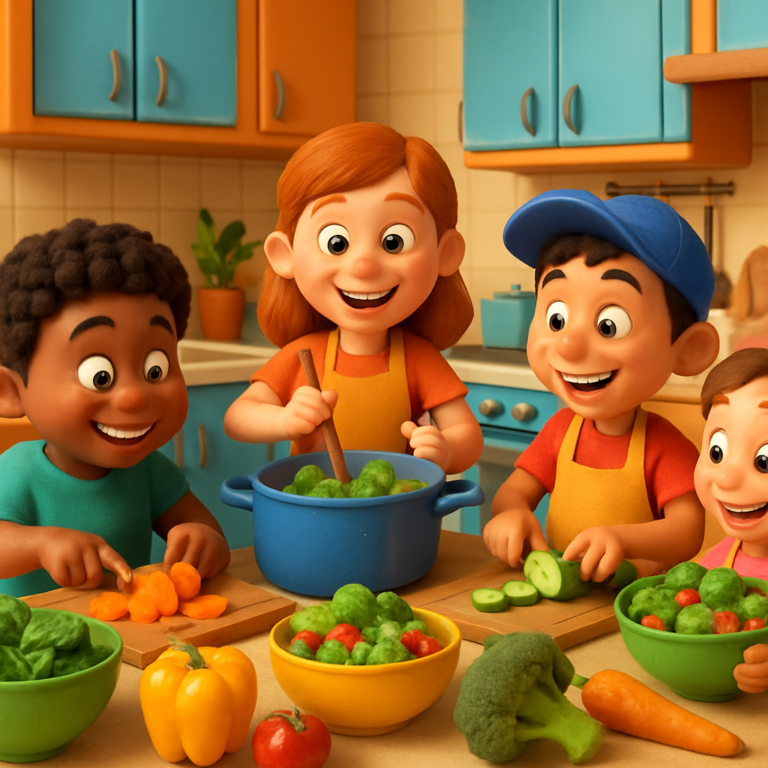 Is Your Child’s Diet Setting Them Up for Future Success?
When it comes to raising healthy children, nutrition is a cornerstone that often gets overlooked amidst the hustle…
Is Your Child’s Diet Setting Them Up for Future Success?
When it comes to raising healthy children, nutrition is a cornerstone that often gets overlooked amidst the hustle…
 Is Your Child Eating Enough? Signs to Watch and Tips to Help
As parents, we all want the best for our children, especially when it comes to their health. Nutrition…
Is Your Child Eating Enough? Signs to Watch and Tips to Help
As parents, we all want the best for our children, especially when it comes to their health. Nutrition…
 How Can Youth Sports Shape Lifelong Skills Beyond the Field?
Youth sports play a crucial role in shaping not just athletes, but well-rounded individuals. Engaging in sports like…
How Can Youth Sports Shape Lifelong Skills Beyond the Field?
Youth sports play a crucial role in shaping not just athletes, but well-rounded individuals. Engaging in sports like…
 Sit ups
: Exercise Guide Overview Sit ups are a slow, controlled exercise focusing primarily on strengthening the abdominal…
Sit ups
Sit ups: Exercise Guide Overview Sit ups are a slow, controlled exercise focusing primarily on strengthening the abdominal…
 Alternating sit ups
: Exercise Guide Overview Alternating sit ups are a slow, controlled movement primarily targeting the abdominal…
Alternating sit ups
Alternating sit ups: Exercise Guide Overview Alternating sit ups are a slow, controlled movement primarily targeting the abdominal…
 Crunches
: Exercise Guide Overview Crunches are a slow, controlled exercise designed to strengthen the abdominal muscles. This movement…
Crunches
Crunches: Exercise Guide Overview Crunches are a slow, controlled exercise designed to strengthen the abdominal muscles. This movement…