
How Can Youth Sports Shape Lifelong Skills Beyond the Field?
 Youth Sports Mentor
Supports young athletes in skill-building, confidence, and healthy competition.
Youth Sports Mentor
Supports young athletes in skill-building, confidence, and healthy competition.
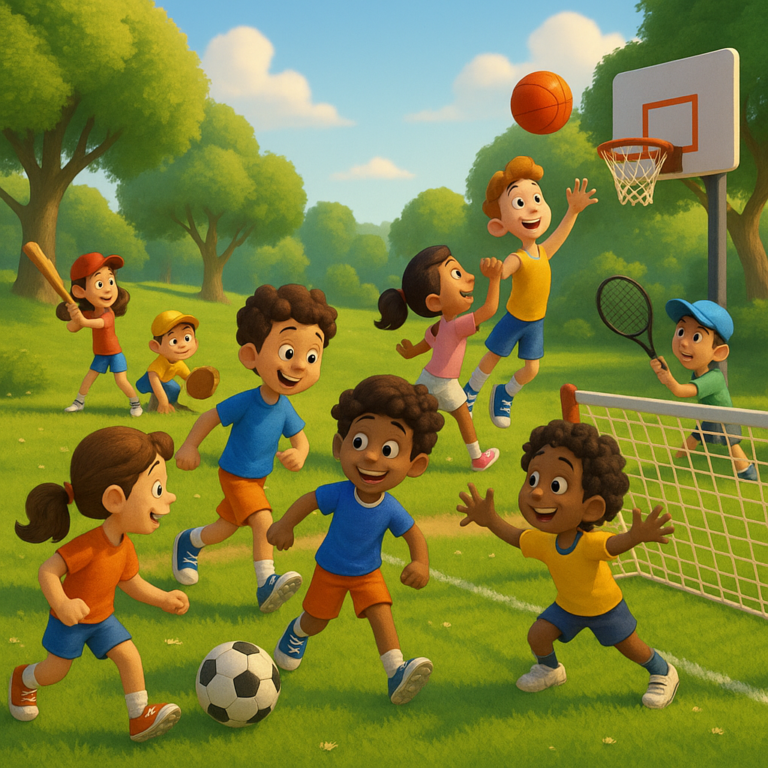
Youth sports play a crucial role in shaping not just athletes, but well-rounded individuals. Engaging in sports like soccer and basketball teaches children valuable life skills such as teamwork, discipline, and resilience. This article explores how participating in youth sports can have a lasting impact on kids, both on and off the field.
The Lasting Impact of Youth Sports
Building Teamwork and Cooperation
One of the fundamental lessons learned in youth sports is the importance of teamwork and cooperation. When children play on a team, they learn to work together toward a common goal. Here are some key takeaways:
- Communication: Players must communicate effectively to execute plays.
- Trust: Team members rely on each other, fostering trust.
- Conflict Resolution: Disagreements may arise, teaching kids how to resolve conflicts amicably.
Developing Discipline and Resilience
Discipline and resilience are two key traits that youth sports can instill in young athletes. Through regular practice and competition, children learn:
- Commitment: Regular practices and games require a commitment to the sport.
- Goal Setting: Athletes set and strive for personal and team goals.
- Handling Failure: Losing games teaches resilience and the ability to bounce back.
The Role of Positive Reinforcement
In youth sports, positive reinforcement plays a significant role in fostering a growth mindset. Coaches and parents who emphasize encouragement help children develop self-esteem and confidence. Consider the following strategies:
- Celebrate small victories, not just wins.
- Provide constructive feedback that focuses on effort rather than outcome.
- Encourage participation and enjoyment, regardless of skill level.
Real-World Examples
Many successful individuals attribute their achievements to lessons learned through sports. For instance, NBA star LeBron James often speaks about the teamwork and discipline he honed during his youth basketball days. Similarly, former U.S. Secretary of State Condoleezza Rice credits her time in youth sports for teaching her about leadership and perseverance.
In addition to personal anecdotes, research supports the benefits of youth sports. According to the Mayo Clinic, children involved in sports are less likely to engage in risky behaviors and more likely to perform well academically (Mayo Clinic). The CDC also notes that physical activity has a positive impact on mental health, reducing feelings of depression and anxiety (CDC).
Resources for Parents and Coaches
To ensure a positive experience in youth sports, consider the following resources:
- The Positive Coaching Alliance: Offers workshops and resources to help coaches foster a positive sports environment.
- Youth Sports Safety Alliance: Provides guidelines for safe practices in youth sports.
- WHO Guidelines on Physical Activity: Recommends that children engage in regular physical activity for their health (WHO).
Actionable Advice
As a parent or coach, you can help foster a love for sports and the lessons they teach by:
- Encouraging participation in a variety of sports to develop diverse skills.
- Focusing on the enjoyment of the game rather than just competition.
- Being a role model by demonstrating good sportsmanship and a positive attitude.
In conclusion, youth sports are more than just games. They are a platform for building essential life skills that will benefit children long after the final whistle blows. By nurturing a positive environment, we can help young athletes grow into confident, resilient adults.
More articles for you
 Is Your Child Eating Enough? Signs to Watch and Tips to Help
As parents, we all want the best for our children, especially when it comes to their health. Nutrition…
Is Your Child Eating Enough? Signs to Watch and Tips to Help
As parents, we all want the best for our children, especially when it comes to their health. Nutrition…
 Is Your Child Ready for Team Sports? Here’s How to Tell!
Engaging in sports can be one of the most rewarding experiences for children, fostering not only physical development…
Is Your Child Ready for Team Sports? Here’s How to Tell!
Engaging in sports can be one of the most rewarding experiences for children, fostering not only physical development…
 Is Your Child’s Behavior a Clue to Their Learning Style?
Every child is unique, and their behaviors often provide valuable insights into their learning preferences. Understanding these behaviors…
Is Your Child’s Behavior a Clue to Their Learning Style?
Every child is unique, and their behaviors often provide valuable insights into their learning preferences. Understanding these behaviors…
 Sit ups
: Exercise Guide Overview Sit ups are a slow, controlled exercise focusing primarily on strengthening the abdominal…
Sit ups
Sit ups: Exercise Guide Overview Sit ups are a slow, controlled exercise focusing primarily on strengthening the abdominal…
 Alternating sit ups
: Exercise Guide Overview Alternating sit ups are a slow, controlled movement primarily targeting the abdominal…
Alternating sit ups
Alternating sit ups: Exercise Guide Overview Alternating sit ups are a slow, controlled movement primarily targeting the abdominal…
 Crunches
: Exercise Guide Overview Crunches are a slow, controlled exercise designed to strengthen the abdominal muscles. This movement…
Crunches
Crunches: Exercise Guide Overview Crunches are a slow, controlled exercise designed to strengthen the abdominal muscles. This movement…