
Are Your Child’s Playtime Skills Holding Them Back?
 Pediatric Occupational Therapist
Helps children build motor skills, sensory integration, and independence in daily activities.
Pediatric Occupational Therapist
Helps children build motor skills, sensory integration, and independence in daily activities.
In today’s fast-paced world, children often face unique challenges that can affect their ability to play, socialize, and learn. For many, these challenges stem from developmental, sensory, or coordination issues. As a Pediatric Occupational Therapist, I’ve seen firsthand how addressing these concerns through playful, functional therapies can boost a child’s independence and confidence.
Understanding Play Skills and Child Development
Play is not just a fun activity; it’s a vital part of childhood development. Children learn essential skills through play, which can help them navigate social interactions, develop motor skills, and even express their emotions. However, if a child struggles with these skills, it can lead to feelings of frustration or exclusion.
The Importance of Play for Development
Play serves several critical roles in a child’s life:
- Social Skills: Engaging with peers helps children develop communication and cooperation skills.
- Motor Skills: Activities like climbing, running, or even simple games help enhance both fine and gross motor skills.
- Emotional Regulation: Through play, children can express their feelings and learn to manage emotions.
Research indicates that children with developmental challenges often miss out on these play opportunities, impacting their growth (Mayo Clinic).
Signs Your Child Might Need Support
Recognizing when a child may need additional support is crucial. Here are some signs that your child might benefit from occupational therapy:
- Difficulty engaging in play with peers.
- Avoidance of physical activities or sports.
- Trouble with fine motor skills, such as writing or using scissors.
- Difficulty understanding social cues or following rules in games.
- Sensory sensitivities, such as being overwhelmed by sounds or textures.
If you notice any of these signs, it might be time to consult a Pediatric Occupational Therapist for an evaluation.
Playful Strategies to Enhance Independence
Incorporating playful activities into your child’s routine can foster their development. Here are some strategies:
- Obstacle Courses: Set up an indoor or outdoor obstacle course to improve gross motor skills and confidence. Use pillows, chairs, and other safe objects.
- Art Projects: Engage your child in art activities that require cutting, gluing, and coloring to enhance fine motor skills.
- Role-Playing Games: Use dolls or action figures to create scenarios that help your child practice social skills and emotional expression.
- Sensory Play: Create sensory bins filled with rice, beans, or sand to help your child explore different textures and improve tactile processing.
Incorporating these activities into your child’s daily routine can create a fun and engaging learning environment, making developmental challenges feel more manageable (WebMD).
Conclusion
Every child deserves the opportunity to play and develop essential life skills. By recognizing signs of developmental challenges and implementing playful strategies, you can help your child grow in confidence and independence. Remember, seeking the guidance of a Pediatric Occupational Therapist can provide tailored support to meet your child’s unique needs.
For more information on child development and the importance of play, visit trusted sources like the Mayo Clinic, WebMD, World Health Organization, and the Centers for Disease Control and Prevention.
Advice for Parents: If you suspect your child may be struggling, don’t hesitate to seek help. Early intervention can make a significant difference in your child’s development and overall well-being.
More articles for you
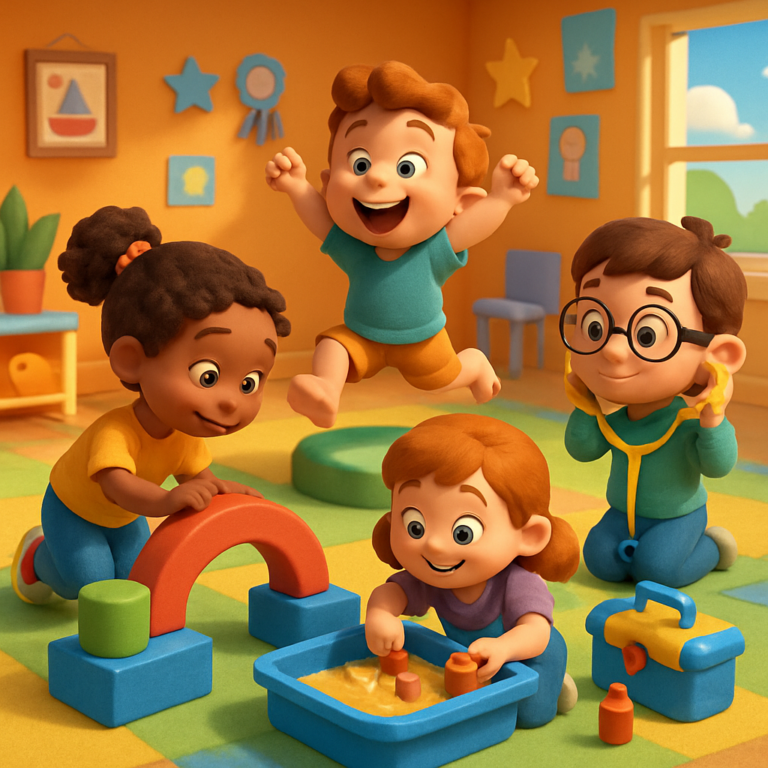 Why Play is the Best Medicine for Child Development?
In the world of pediatric therapy, play isn’t just fun—it’s essential. Children learn, grow, and develop vital skills…
Why Play is the Best Medicine for Child Development?
In the world of pediatric therapy, play isn’t just fun—it’s essential. Children learn, grow, and develop vital skills…
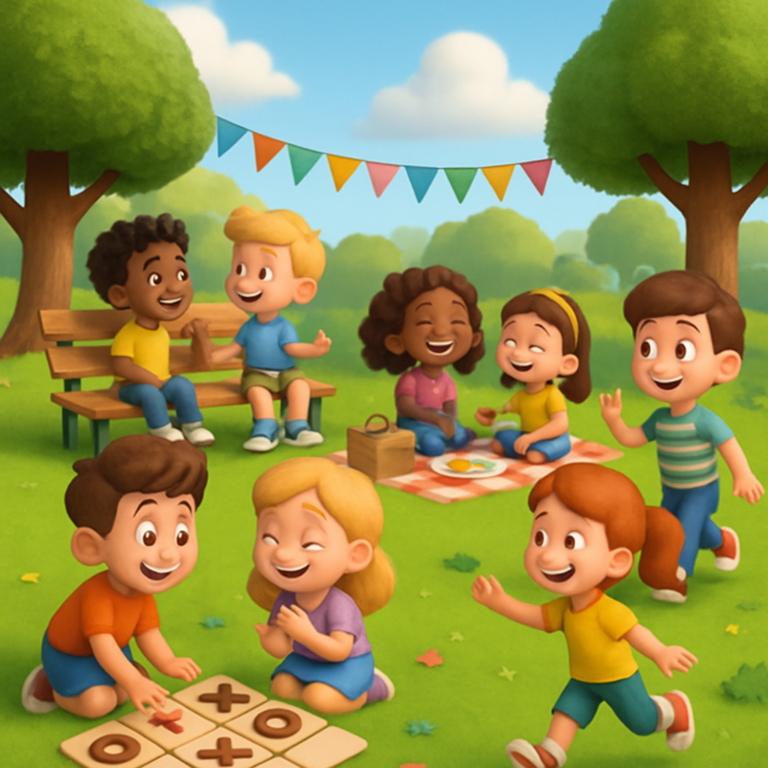 Is Social Anxiety Holding Your Child Back from Success?
Social anxiety can be a hidden barrier, especially for children trying to navigate friendships, school, and activities. Understanding…
Is Social Anxiety Holding Your Child Back from Success?
Social anxiety can be a hidden barrier, especially for children trying to navigate friendships, school, and activities. Understanding…
 Is Your Child Struggling with Fine Motor Skills? Let’s Play!
In today’s fast-paced world, many parents notice their children facing challenges with fine motor skills. These skills, essential…
Is Your Child Struggling with Fine Motor Skills? Let’s Play!
In today’s fast-paced world, many parents notice their children facing challenges with fine motor skills. These skills, essential…
 Sit ups
: Exercise Guide Overview Sit ups are a slow, controlled exercise focusing primarily on strengthening the abdominal…
Sit ups
Sit ups: Exercise Guide Overview Sit ups are a slow, controlled exercise focusing primarily on strengthening the abdominal…
 Alternating sit ups
: Exercise Guide Overview Alternating sit ups are a slow, controlled movement primarily targeting the abdominal…
Alternating sit ups
Alternating sit ups: Exercise Guide Overview Alternating sit ups are a slow, controlled movement primarily targeting the abdominal…
 Crunches
: Exercise Guide Overview Crunches are a slow, controlled exercise designed to strengthen the abdominal muscles. This movement…
Crunches
Crunches: Exercise Guide Overview Crunches are a slow, controlled exercise designed to strengthen the abdominal muscles. This movement…