
Could Play Be the Secret to Your Child’s Developmental Success?
 Pediatric Occupational Therapist
Helps children build motor skills, sensory integration, and independence in daily activities.
Pediatric Occupational Therapist
Helps children build motor skills, sensory integration, and independence in daily activities.
In the world of pediatric therapy, play isn’t just fun; it’s essential. Engaging children in playful activities can significantly enhance their developmental skills, from fine motor coordination to social interactions. But how can parents harness the power of play to support their child’s growth?
The Importance of Play in Development
Why Play Matters
Play is a natural way for children to learn about their environment and themselves. Research consistently shows that play contributes to various aspects of development, including:
- Cognitive Growth: Problem-solving and critical thinking skills are honed during play.
- Social Skills: Interacting with peers teaches negotiation, sharing, and empathy.
- Emotional Regulation: Play allows children to express their feelings and learn to manage them.
- Physical Development: Activities like climbing, running, and throwing enhance gross and fine motor skills.
Types of Play That Promote Development
Different types of play can cater to various developmental needs. Here are a few examples:
- Physical Play: Activities like jumping, running, or dancing improve coordination and strength.
- Constructive Play: Building with blocks or engaging in arts and crafts fosters creativity and fine motor skills.
- Pretend Play: Role-playing scenarios helps children understand social roles and practice empathy.
- Games with Rules: Board games or team sports teach cooperation and strategic thinking.
Research from the Mayo Clinic emphasizes that unstructured playtime is crucial for healthy development.
How Parents Can Encourage Play
Parents play a vital role in facilitating play opportunities. Here are some practical tips:
- Provide Variety: Offer different types of toys and activities to stimulate interest.
- Join In: Engage in play with your child to model social interaction and cooperation.
- Create a Safe Space: Ensure that your home or yard is safe for active play.
- Limit Screen Time: Encourage more hands-on activities over passive screen time.
For more insights, consider checking guidelines from the Centers for Disease Control and Prevention regarding developmental milestones.
Conclusion
As we celebrate International Play Day on June 21, remember that play is not only a source of joy but also a powerful tool for development. By prioritizing play in your child’s daily routine, you pave the way for their independence and confidence.
Advice for Parents: Dedicate at least 30 minutes each day to playtime with your child. Whether it’s a game of tag, a creative art project, or a simple storytime, this time can foster skills that will benefit them for a lifetime.
For further reading, check out resources from the World Health Organization regarding the importance of physical activity in children.
More articles for you
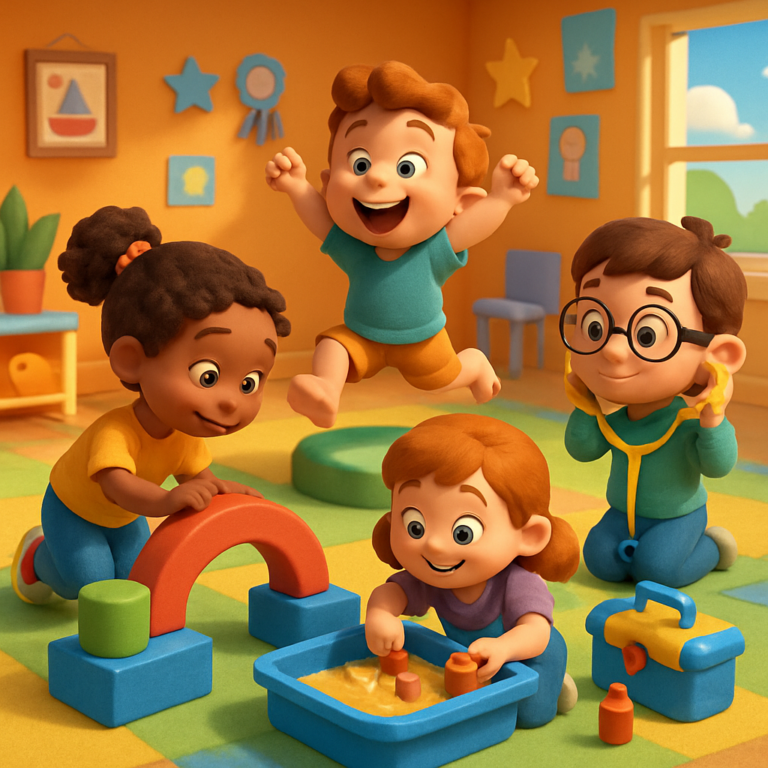 Why Play is the Best Medicine for Child Development?
In the world of pediatric therapy, play isn’t just fun—it’s essential. Children learn, grow, and develop vital skills…
Why Play is the Best Medicine for Child Development?
In the world of pediatric therapy, play isn’t just fun—it’s essential. Children learn, grow, and develop vital skills…
 Is Social Anxiety Holding Your Child Back from Success?
Social anxiety can be a hidden barrier, especially for children trying to navigate friendships, school, and activities. Understanding…
Is Social Anxiety Holding Your Child Back from Success?
Social anxiety can be a hidden barrier, especially for children trying to navigate friendships, school, and activities. Understanding…
 Is Your Child Struggling with Fine Motor Skills? Let’s Play!
In today’s fast-paced world, many parents notice their children facing challenges with fine motor skills. These skills, essential…
Is Your Child Struggling with Fine Motor Skills? Let’s Play!
In today’s fast-paced world, many parents notice their children facing challenges with fine motor skills. These skills, essential…
 Sit ups
: Exercise Guide Overview Sit ups are a slow, controlled exercise focusing primarily on strengthening the abdominal…
Sit ups
Sit ups: Exercise Guide Overview Sit ups are a slow, controlled exercise focusing primarily on strengthening the abdominal…
 Alternating sit ups
: Exercise Guide Overview Alternating sit ups are a slow, controlled movement primarily targeting the abdominal…
Alternating sit ups
Alternating sit ups: Exercise Guide Overview Alternating sit ups are a slow, controlled movement primarily targeting the abdominal…
 Crunches
: Exercise Guide Overview Crunches are a slow, controlled exercise designed to strengthen the abdominal muscles. This movement…
Crunches
Crunches: Exercise Guide Overview Crunches are a slow, controlled exercise designed to strengthen the abdominal muscles. This movement…