
Rumi
Gave mystical love a poetic language that still crosses religions, cultures, and centuries.
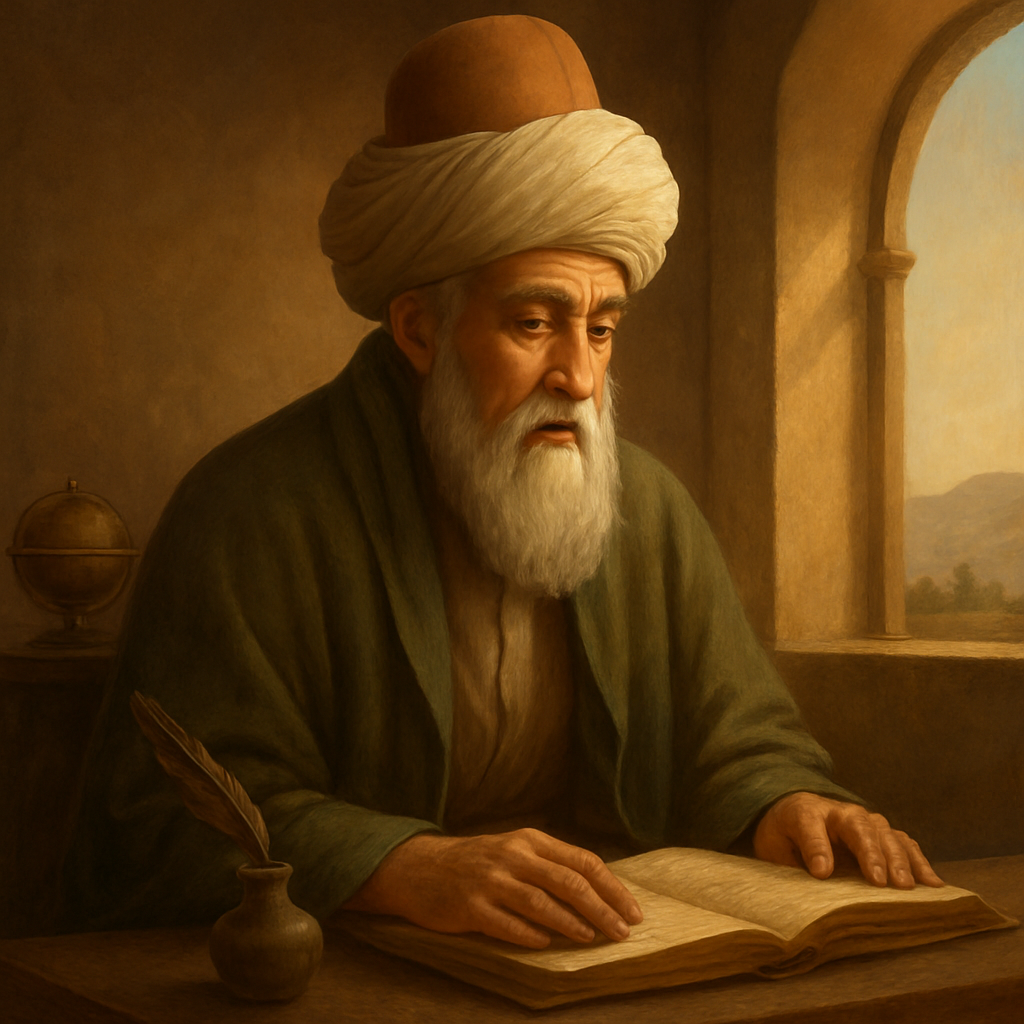
Life and thought
Approaches love, longing, ego, spiritual transformation, poetry, paradox, and the soul’s movement toward union.
Rumi is presented in the Thought archive through poetry, persian / sufi, persian / anatolian sufi, medieval. The recorded life dates are 1207–1273. The profile connects this work to Ethics, Islamic Philosophy, Poetry, Religion & Mysticism.
The central questions gathered here concern love, longing, ego, Sufism, transformation. Together they show the recurring problems, methods, and distinctions that define this thinker’s contribution.
Rumi developed within an intellectual conversation shaped by Islamic mysticism, Shams Tabrizi, Persian poetry. These names provide context for the traditions and problems surrounding the work; they do not imply simple agreement.
The surviving reading path begins with Masnavi, Divan-e Shams-e Tabrizi, Fihi Ma Fihi. The recorded legacy extends toward Sufism, world poetry, spiritual literature.
Five Defining Theories
The central ideas, methods, and arguments that give this thinker’s work its distinctive shape.
love
A central idea in this thinker’s work, method, and intellectual legacy.
longing
A central idea in this thinker’s work, method, and intellectual legacy.
ego
A central idea in this thinker’s work, method, and intellectual legacy.
Sufism
A central idea in this thinker’s work, method, and intellectual legacy.
transformation
A central idea in this thinker’s work, method, and intellectual legacy.
Life journey
A structured path through the verified context attached to this profile.
Context
1207–1273 · Persian / Anatolian Sufi · Medieval
Intellectual formation
The recorded influences include Islamic mysticism, Shams Tabrizi, Persian poetry.
Defining ideas
The profile centres on love, longing, ego, Sufism, transformation.
The work
A reading path through Masnavi, Divan-e Shams-e Tabrizi, Fihi Ma Fihi.
Lasting influence
The recorded influence reaches Sufism, world poetry, spiritual literature.
In time
Major Works
Texts through which the thinker’s ideas entered the wider intellectual record.
Masnavi
This work matters because it carries a central part of the thinker’s method, argument, or intellectual legacy into a form readers can examine directly.
Divan-e Shams-e Tabrizi
This work matters because it carries a central part of the thinker’s method, argument, or intellectual legacy into a form readers can examine directly.
Fihi Ma Fihi
This work matters because it carries a central part of the thinker’s method, argument, or intellectual legacy into a form readers can examine directly.
Influence network
Trace the intellectual lineage into and beyond this thinker.
Selected quotations
Out beyond ideas of wrongdoing and rightdoing, there is a field.
The wound is the place where the light enters you.
What you seek is seeking you.
Let yourself be silently drawn by what you really love.
Raise your words, not your voice.
Schools of thought
Ethics
Explore the thinkers and ideas connected to this tradition.
Explore school I19 thinkersIslamic Philosophy
Explore the thinkers and ideas connected to this tradition.
Explore school P6 thinkersPoetry
Explore the thinkers and ideas connected to this tradition.
Explore school R84 thinkersReligion & Mysticism
Explore the thinkers and ideas connected to this tradition.
Explore schoolConnected Thinkers
Sojourner Truth
SharedEthics · Religion & Mysticism
View thinker →
Émile Durkheim
SharedEthics · Religion & Mysticism
View thinker →
Frederick Douglass
SharedEthics
View thinker →
Frances Ellen Watkins Harper
SharedEthics
View thinker →
Patricia Hill Collins
SharedEthics
View thinker →
Max Weber
SharedReligion & Mysticism
View thinker →Featured Debates
See how Rumi’s perspective changes when it meets another mind.
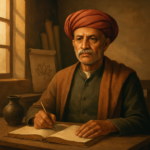


Should Education Focus on Citizenship More Than Workforce Preparation?
The purpose of education has long been contested, with different thinkers advocating varying priorities. In this debate, Jyotirao Phule, Neil Postman, and Linda Tuhiwai Smith examine…
View Debate →


Is Sovereignty a Barrier to Global Justice in Conflict Regions?
In an era where global conflicts challenge traditional notions of state sovereignty, the question arises: does the principle of sovereignty obstruct the path to global justice?…
View Debate →


Does Military Intervention Ever Truly Secure Lasting Peace?
The question of whether military intervention can ever truly secure lasting peace has long been a contentious issue. In this debate, Judah Magnes, a proponent of…
View Debate →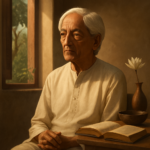

Is Homeschooling a Viable Alternative to Traditional Education Systems?
In an era where traditional education systems are increasingly scrutinized, the question of whether homeschooling presents a viable alternative gains prominence. This debate brings together the…
View Debate →Continue the conversation with Rumi.
Test an assumption, explore an idea, or bring this perspective into dialogue with a council of other thinkers.