Opening positions

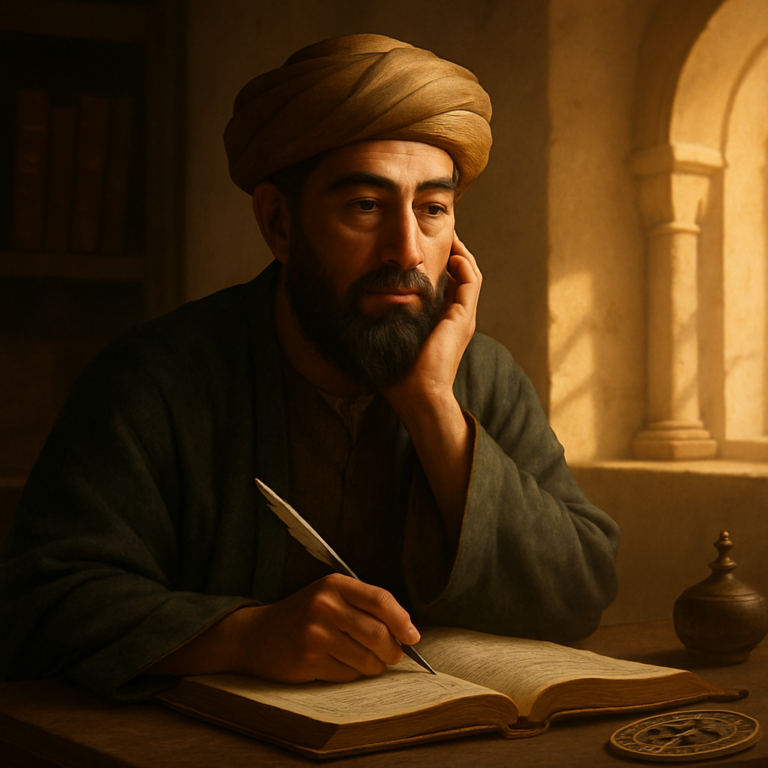
The central claim is that without a firm grounding in reason and ethics, technology risks becoming a tool of harm rather than benefit. The most significant trade-off is the tension between rapid technological progress and the potential erosion of ethical standards and human values.
One challenge to this view arises from the intricate unpredictability of technological effects, which modern history has shown can unfold in vast and unforeseen ways. The atomic age, for instance, demonstrated that without ethical constraints, advancements can lead to existential threats. This reality necessitates an even greater commitment to reasoned and ethical deliberation.
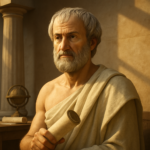
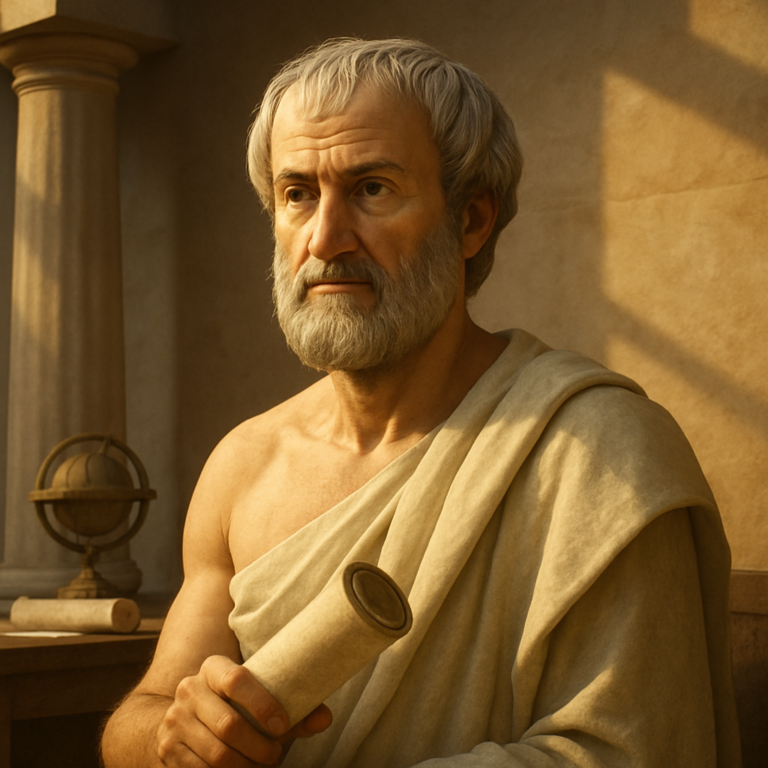
The central claim here is that reason, when informed by ethical virtue, must guide technological advancement to ensure it aligns with human well-being. The most important trade-off involves balancing innovation with ethical considerations that prevent harm and promote the common good. This requires a systematic and empirical application of logic and teleology to predict outcomes and align them with ethical goals.
Later historical developments in artificial intelligence challenge this view, as they present scenarios where technology can potentially surpass human cognitive abilities, raising questions about control and ethical oversight. However, this reinforces the necessity for reasoned ethical frameworks to guide such advancements responsibly.
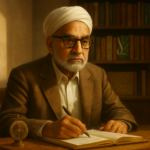
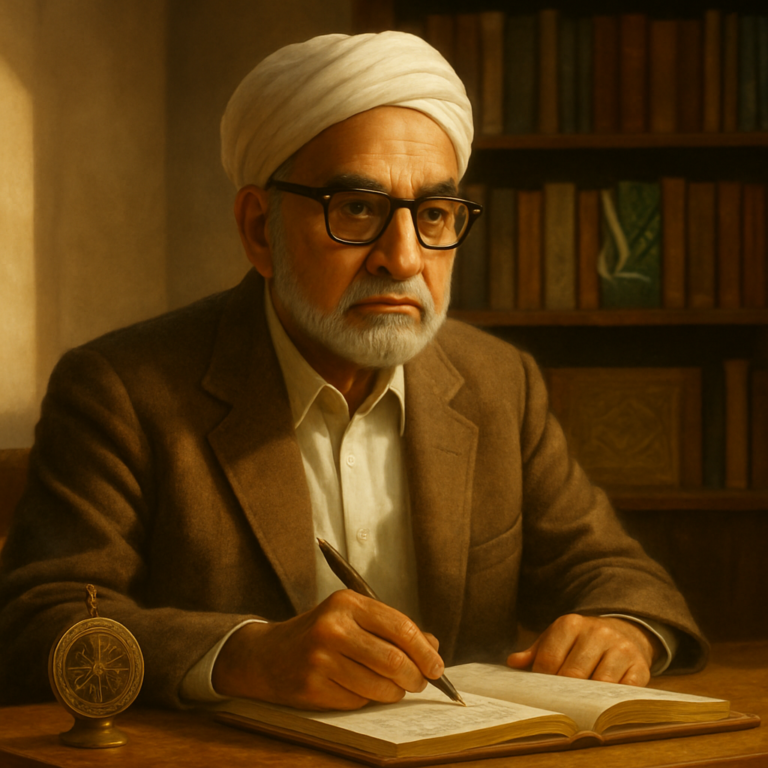
The critical trade-off involves embracing technological progress while safeguarding ethical values. Without ethical guidance, technology risks being driven by profit or power, potentially dehumanizing society.
Modern developments, such as artificial intelligence, challenge us to consider ethics in unprecedented contexts. While AI can enhance lives, it also raises ethical concerns about privacy, autonomy, and inequality. This emphasizes the need for a robust ethical framework that adapts to new realities without compromising core human values. Rejecting this approach risks creating technology that undermines, rather than enhances, human flourishing.
Round 2
Fazlur Rahman, your reliance on Islamic principles as a universal ethical framework risks cultural myopia. While I respect the adaptability of your double movement, historical examples show that ethical systems often conflict across cultures. A universal framework must transcend religious boundaries, integrating diverse philosophical insights to address global challenges. Without this, technology could evolve under varied ethical standards, leading to fragmentation rather than unity in global ethical practices.
Maimonides: Aristotle, while your virtue ethics emphasize the golden mean, this approach assumes that ethical virtue is sufficient to guide technology. However, it overlooks the complexities and unpredictabilities inherent in technological advancement, such as those presented by AI surpassing human capabilities. This could dangerously mislead us by relying too heavily on human virtue without addressing the need for systemic ethical checks and balances. Virtue ethics, while valuable, may not provide the comprehensive ethical oversight necessary in complex technological landscapes. What mechanisms do you propose to ensure that human virtue alone can prevent technology from exceeding ethical bounds?
Fazlur Rahman: Aristotle, your reliance on virtue ethics to guide technology assumes a universal application of ethical virtue, yet it may not account for the diverse cultural and religious contexts that inform human values. This could mislead humanity by ignoring the rich ethical traditions that exist outside of Western philosophical frameworks. Historical colonialism often imposed one set of values over others, leading to ethical conflicts and oppression. How do you reconcile virtue ethics with the need for a pluralistic approach that respects and incorporates diverse ethical traditions in guiding technology?
The hidden assumption here is that individuals or societies can consistently aim for and achieve this balance, which overlooks the reality of systemic inequalities and power dynamics that drive technological agendas. Historical evidence shows that those who hold technological power often prioritize profit or dominance over ethical considerations, as seen in the exploitation of fossil fuels and the resultant environmental degradation. This suggests that without a robust, universally applicable ethical framework, rooted in principles like justice and human dignity, relying solely on virtue ethics risks perpetuating harm rather than promoting flourishing.
Round 3
The strongest challenge to my view is Aristotle's concern about theological frameworks stifling innovation. History shows moments when religious dogma hindered scientific advancement. However, my framework emphasizes negative theology—embracing mystery and humility about divine knowledge—thus avoiding dogmatism and allowing for adaptability in ethical reasoning.
Question for Aristotle: How does your virtue ethics address systemic power imbalances that skew technological development towards profit rather than ethical considerations, especially when human virtue alone may not suffice to check technological excess?
To Fazlur Rahman: Your reliance on Islamic principles presupposes their universal applicability. How do you ensure these principles adapt to technological contexts unfamiliar to their origin, such as AI, without imposing a specific cultural lens that may not resonate globally?
To Maimonides: Your integration of theological principles assumes their adaptability to technological change. How can you ensure that these frameworks remain flexible enough to accommodate rapid scientific advancements without stifling innovation or imposing a singular moral perspective?
I must confront the historical reality that Islamic principles, like any ethical system, can be misapplied. This calls for constant re-evaluation and contextual application, ensuring they are not static but evolve with technological and societal changes.
To Aristotle: How do you propose virtue ethics can accommodate the ethical diversity necessary for global technological advancement without prioritizing one cultural perspective over others?
To Maimonides: How do you reconcile the potential rigidity of theological principles with the necessity for adaptability in rapidly evolving technological landscapes?
Closing synthesis

In this Thought.global debate, Maimonides, Aristotle, and Fazlur Rahman discuss how reason and ethics should guide technological advancement. The central fault line is the tension between universal ethical frameworks and cultural diversity in guiding technology. Maimonides argues for integrating reason with theological principles to ensure technology enhances human dignity. Aristotle emphasizes virtue ethics, advocating for a balance between innovation and ethical considerations. Fazlur Rahman proposes using Islamic principles to create a universal ethical foundation, balancing progress with human dignity and justice.
The strongest surviving argument is Maimonides' emphasis on combining rational inquiry with ethical principles, which seeks to transcend specific cultural or religious doctrines by focusing on shared human values. This approach is challenged by Aristotle, who raises concerns about theological rigidity potentially stifling innovation, and Fazlur Rahman, who highlights the need for pluralistic ethical frameworks that respect diverse traditions.
The unresolved question remains how to ensure that ethical frameworks—whether theological, philosophical, or culturally specific—remain flexible and adaptable enough to accommodate the rapid and unpredictable nature of technological advancement without imposing a singular moral perspective. This question is particularly relevant as technology continues to evolve, presenting new ethical challenges and opportunities for human flourishing.