
Could Your Diet Be Worsening Your PCOS Symptoms?
 Polycystic Ovary Syndrome Specialist
Offers customized strategies for managing PCOS symptoms and hormonal health.
Polycystic Ovary Syndrome Specialist
Offers customized strategies for managing PCOS symptoms and hormonal health.
Polycystic Ovary Syndrome (PCOS) is a complex condition affecting many women worldwide. It can lead to a range of symptoms, from irregular periods to unwanted weight gain. One crucial factor that plays a significant role in managing PCOS is diet. But how exactly does what you eat influence your symptoms?
The Impact of Diet on PCOS
When it comes to PCOS, every bite counts. The right foods can help balance hormones, improve insulin sensitivity, and ease symptoms.
Why Insulin Resistance Matters
Many women with PCOS experience insulin resistance, a condition where the body doesn’t respond effectively to insulin. This can lead to higher blood sugar levels and contribute to weight gain. Here’s how dietary choices can influence insulin resistance:
- Reduce Refined Carbs: Foods like white bread and pasta can spike blood sugar. Opt for whole grains instead.
- Prioritize Fiber: High-fiber foods like fruits, vegetables, and legumes help regulate blood sugar levels.
- Include Healthy Fats: Avocados, nuts, and olive oil can improve insulin sensitivity.
Nutrient-Rich Foods for Hormonal Balance
Certain foods are particularly beneficial for women with PCOS. Incorporating these into your diet can help manage symptoms:
- Lean Proteins: Chicken, fish, and legumes support muscle maintenance and satiety.
- Low-Glycemic Index Foods: Foods that cause a slow rise in blood sugar, such as sweet potatoes and quinoa, are ideal.
- Antioxidant-Rich Fruits and Vegetables: Berries, leafy greens, and broccoli can help combat inflammation.
- Dairy Alternatives: Some women find that dairy can exacerbate symptoms. Consider almond or coconut milk as alternatives.
Lifestyle Changes to Consider
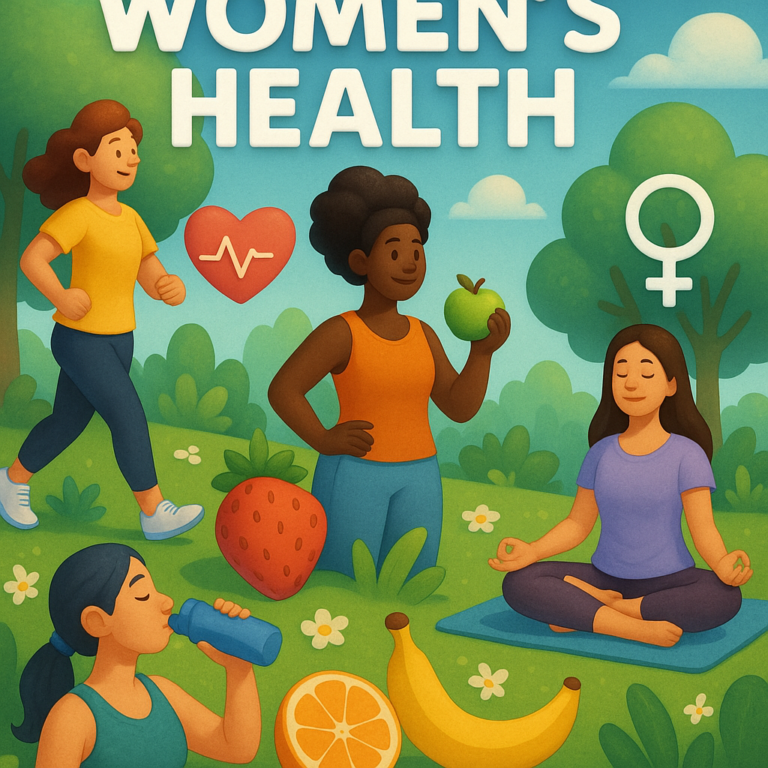
Beyond diet, lifestyle changes can significantly improve PCOS symptoms. Here are some actionable tips:
- Regular Exercise: Aim for at least 150 minutes of moderate aerobic activity each week. Activities like brisk walking, cycling, or swimming can help.
- Stress Management: Techniques such as yoga, meditation, or deep breathing can lower stress levels that might worsen symptoms.
- Maintain a Healthy Weight: Even a small amount of weight loss can improve insulin sensitivity and hormone levels.
Resources for Further Reading
- Mayo Clinic on PCOS
- WebMD’s Guide to PCOS
- World Health Organization – PCOS
- Centers for Disease Control and Prevention – PCOS
Final Thoughts
Managing PCOS involves a combination of dietary choices, lifestyle changes, and medical support. If you suspect your diet might be making your symptoms worse, consider keeping a food diary to track what you eat and how you feel. Consulting with a healthcare provider or a nutritionist who specializes in PCOS can also provide personalized guidance.
As we approach International PCOS Awareness Month in September, it’s essential to empower yourself with knowledge and take actionable steps towards managing your health effectively. Remember, small changes can lead to significant improvements in your well-being.
More articles for you
 Is Your Hormonal Balance Impacting Your Life More Than You Think?
Hormones play a crucial role in a woman’s overall health, affecting everything from mood to fertility. Many women…
Is Your Hormonal Balance Impacting Your Life More Than You Think?
Hormones play a crucial role in a woman’s overall health, affecting everything from mood to fertility. Many women…
 What Your Hormones Are Trying to Tell You About Your Health?
Hormones are the silent messengers of our bodies, influencing everything from mood to metabolism. Yet, many women navigate…
What Your Hormones Are Trying to Tell You About Your Health?
Hormones are the silent messengers of our bodies, influencing everything from mood to metabolism. Yet, many women navigate…
 Is Your Hormonal Symphony Out of Tune? Discover the Signs
Navigating the transition into perimenopause can feel like an emotional rollercoaster, often leaving women bewildered and seeking clarity.…
Is Your Hormonal Symphony Out of Tune? Discover the Signs
Navigating the transition into perimenopause can feel like an emotional rollercoaster, often leaving women bewildered and seeking clarity.…
 Sit ups
: Exercise Guide Overview Sit ups are a slow, controlled exercise focusing primarily on strengthening the abdominal…
Sit ups
Sit ups: Exercise Guide Overview Sit ups are a slow, controlled exercise focusing primarily on strengthening the abdominal…
 Alternating sit ups
: Exercise Guide Overview Alternating sit ups are a slow, controlled movement primarily targeting the abdominal…
Alternating sit ups
Alternating sit ups: Exercise Guide Overview Alternating sit ups are a slow, controlled movement primarily targeting the abdominal…
 Crunches
: Exercise Guide Overview Crunches are a slow, controlled exercise designed to strengthen the abdominal muscles. This movement…
Crunches
Crunches: Exercise Guide Overview Crunches are a slow, controlled exercise designed to strengthen the abdominal muscles. This movement…