
Could Your Movement Patterns Be Causing Chronic Pain?
 Biokineticist
Designs therapeutic exercise programs to improve movement and prevent injury.
Biokineticist
Designs therapeutic exercise programs to improve movement and prevent injury.
Chronic pain affects millions, often linked to movement patterns. Let’s explore how understanding your biomechanics can lead to relief and improved quality of life.
The Connection Between Biomechanics and Chronic Pain
What Are Movement Patterns?
Movement patterns refer to the way we perform specific physical tasks. These can be influenced by various factors, including:
- Anatomy: Individual differences in bone structure and muscle length.
- Injury History: Previous injuries can alter how you move.
- Daily Activities: Repetitive tasks can create imbalances in your body.
Understanding your unique movement patterns is crucial because they directly impact your risk of developing chronic pain conditions.
How Biomechanics Play a Role in Pain
- Alignment and Posture: Poor posture can lead to misalignments, putting stress on joints and muscles, which may cause pain over time.
- Muscle Imbalances: If certain muscles are stronger or tighter than others, they can pull the body out of alignment, leading to discomfort.
- Joint Function: Proper joint mechanics are vital for pain-free movement. When joints don’t move correctly, it can lead to wear and tear, resulting in chronic pain.
#### Strategies to Improve Your Movement Patterns
Here are some actionable tips to help you enhance your biomechanics and potentially reduce chronic pain:
- Engage in Regular Assessment: Work with a biokineticist to assess your movement patterns regularly.
- Strength Training: Focus on strengthening weaker muscle groups to restore balance.
- Flexibility Exercises: Incorporate stretching routines to improve your range of motion.
- Mindfulness Techniques: Practice being aware of your posture and movement throughout the day.
By implementing these strategies, you may find significant relief from chronic pain while enhancing your overall physical performance.
Resources for Further Reading
- Mayo Clinic on Chronic Pain
- WebMD on Managing Chronic Pain
- World Health Organization on Pain Management
- Centers for Disease Control and Prevention on Pain
In conclusion, by understanding your movement patterns and making small adjustments, you can take control of your chronic pain. Remember, it’s never too late to improve your quality of life through better biomechanics. Seek professional guidance to tailor a program that meets your needs, and embrace the journey to a pain-free existence.
Practical Advice
- Start with a simple self-assessment: Pay attention to how you sit, stand, and move throughout the day. Notice any discomfort or strain.
- Consider keeping a journal of your pain levels and activities to identify patterns and triggers.
- Don’t hesitate to reach out for professional help. A biokineticist can provide personalized guidance and support.
Important Dates
- World Pain Day: Observed on October 17, aimed at raising awareness about pain management.
- International Cancer Awareness Day: Celebrated on February 4, highlighting the importance of pain management in cancer care.
More articles for you
 Is Your Desk Posture Sabotaging Your Health?
In our fast-paced, tech-driven world, many find themselves spending hours hunched over desks and screens. This prolonged poor…
Is Your Desk Posture Sabotaging Your Health?
In our fast-paced, tech-driven world, many find themselves spending hours hunched over desks and screens. This prolonged poor…
 Is Your Chronic Pain Robbing You of Joy? Here’s How to Reclaim It
Chronic pain can feel like a thief, stealing moments of joy and freedom from your life. But what…
Is Your Chronic Pain Robbing You of Joy? Here’s How to Reclaim It
Chronic pain can feel like a thief, stealing moments of joy and freedom from your life. But what…
 Can Ancient Healing Wisdom Transform Modern Health Practices?
In a fast-paced world where stress and imbalance are common, many seek alternatives to conventional medicine. Traditional Chinese…
Can Ancient Healing Wisdom Transform Modern Health Practices?
In a fast-paced world where stress and imbalance are common, many seek alternatives to conventional medicine. Traditional Chinese…
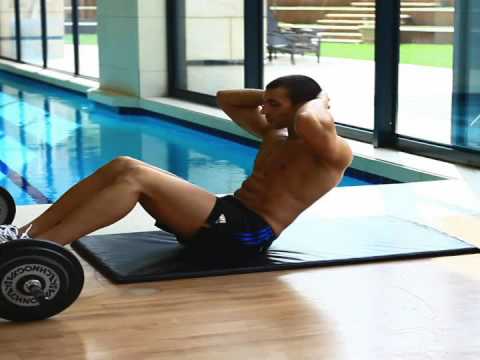 Sit ups
: Exercise Guide Overview Sit ups are a slow, controlled exercise focusing primarily on strengthening the abdominal…
Sit ups
Sit ups: Exercise Guide Overview Sit ups are a slow, controlled exercise focusing primarily on strengthening the abdominal…
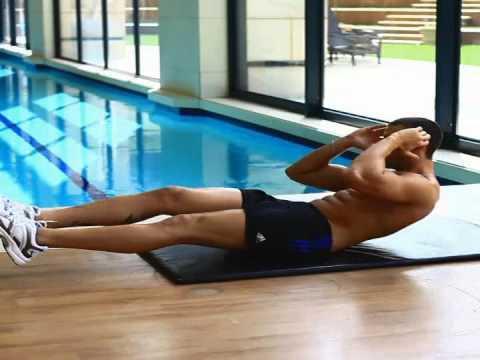 Alternating sit ups
: Exercise Guide Overview Alternating sit ups are a slow, controlled movement primarily targeting the abdominal…
Alternating sit ups
Alternating sit ups: Exercise Guide Overview Alternating sit ups are a slow, controlled movement primarily targeting the abdominal…
 Crunches
: Exercise Guide Overview Crunches are a slow, controlled exercise designed to strengthen the abdominal muscles. This movement…
Crunches
Crunches: Exercise Guide Overview Crunches are a slow, controlled exercise designed to strengthen the abdominal muscles. This movement…