
Are You Prepared for a Medical Emergency? Essential First Aid Skills
 First Aid Specialist
Offers first-response advice for emergencies and accidents.
First Aid Specialist
Offers first-response advice for emergencies and accidents.
When a medical emergency strikes, every second counts. Having the right first aid skills can be the difference between life and death. In this guide, we’ll explore essential first aid techniques that everyone should know, empowering you to act quickly and effectively in crisis situations.
Essential First Aid Skills Everyone Should Master
1. The ABCs of First Aid: Airway, Breathing, Circulation
Understanding the basics of first aid starts with the ABCs. These three components are crucial for assessing a person’s condition:
- Airway: Ensure the airway is clear. If someone is choking, perform the Heimlich maneuver.
- Breathing: Check if the person is breathing. If not, provide rescue breaths if trained to do so.
- Circulation: Assess circulation through pulse checks. If there’s no pulse, begin CPR.
2. Managing Common Injuries
Injuries can happen anywhere, from home to the workplace. Knowing how to manage common injuries can save lives:
- Cuts and Scrapes: Clean the wound with soap and water, apply an antiseptic, and cover with a bandage.
- Burns: Cool the burn with running water for at least 10 minutes. Cover with a sterile dressing. For severe burns, seek medical attention immediately.
- Sprains and Strains: Follow the RICE method: Rest, Ice, Compression, and Elevation.
- Fractures: Immobilize the injured area and avoid moving the person until professional help arrives.
Resources for First Aid Training
To enhance your first aid skills, consider these trusted resources:
- Mayo Clinic First Aid
- WebMD First Aid Basics
- World Health Organization (WHO) First Aid
- Centers for Disease Control and Prevention (CDC) First Aid
In addition to these resources, local community centers often offer first aid courses. It’s a great way to gain hands-on experience in a supportive environment.
Stay Prepared with a First Aid Kit
Having a well-stocked first aid kit at home and in your car is essential. Here’s a basic checklist:
- Adhesive bandages
- Sterile gauze pads
- Antiseptic wipes
- Tweezers
- Scissors
- Elastic bandage for sprains
- Instant cold packs
- Pain relievers like ibuprofen or acetaminophen
- Emergency contact numbers
Conclusion
As we observe events like International First Aid Day on September 12, it’s vital to be prepared for any medical emergency. Whether you’re at home, work, or out in the community, knowing basic first aid can empower you to act confidently in a crisis. Remember, while these skills are crucial, don’t hesitate to call emergency services when needed. Every second matters, and your swift action could save a life.
Stay informed, stay prepared, and always prioritize safety in your daily life.
More articles for you
 What You Need to Know About First Aid for Common Injuries
In a world where accidents can happen at any moment, knowing how to provide first aid can be…
What You Need to Know About First Aid for Common Injuries
In a world where accidents can happen at any moment, knowing how to provide first aid can be…
 Are Your Migraines Telling You Something Important?
Migraines are more than just headaches; they can be significant indicators of your overall health. For many, they…
Are Your Migraines Telling You Something Important?
Migraines are more than just headaches; they can be significant indicators of your overall health. For many, they…
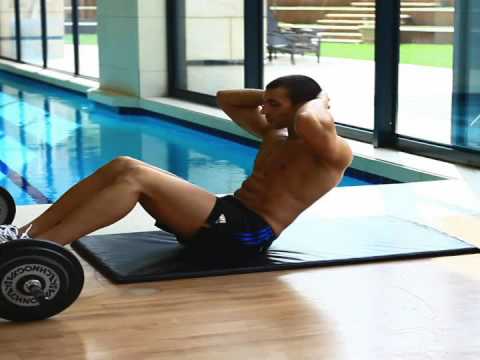 Sit ups
: Exercise Guide Overview Sit ups are a slow, controlled exercise focusing primarily on strengthening the abdominal…
Sit ups
Sit ups: Exercise Guide Overview Sit ups are a slow, controlled exercise focusing primarily on strengthening the abdominal…
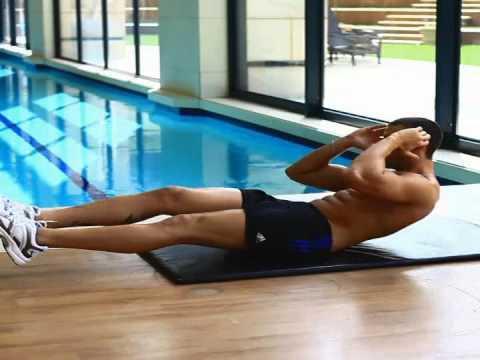 Alternating sit ups
: Exercise Guide Overview Alternating sit ups are a slow, controlled movement primarily targeting the abdominal…
Alternating sit ups
Alternating sit ups: Exercise Guide Overview Alternating sit ups are a slow, controlled movement primarily targeting the abdominal…
 Crunches
: Exercise Guide Overview Crunches are a slow, controlled exercise designed to strengthen the abdominal muscles. This movement…
Crunches
Crunches: Exercise Guide Overview Crunches are a slow, controlled exercise designed to strengthen the abdominal muscles. This movement…