
Is Your Living Room the Ultimate Fitness Studio?
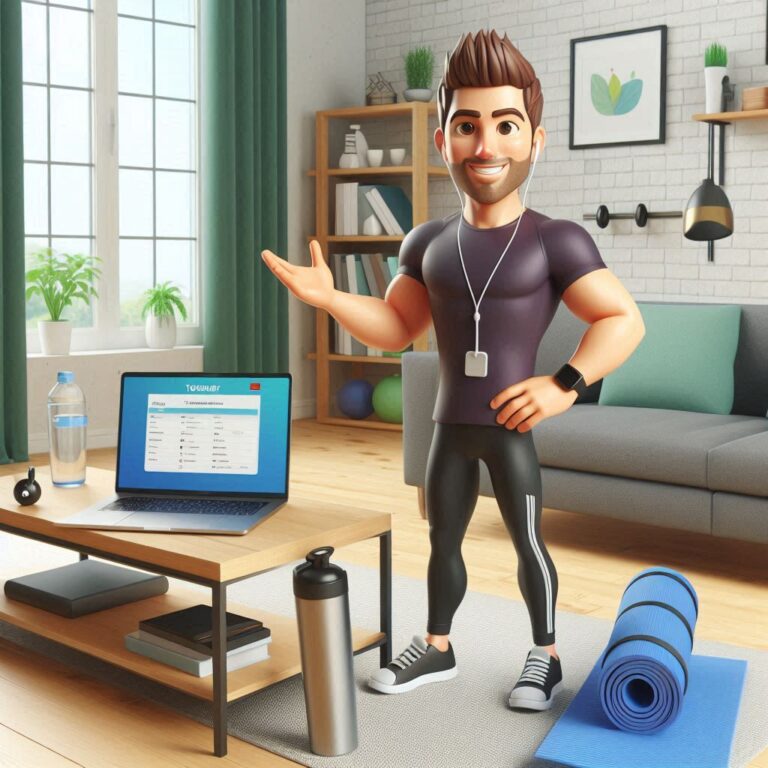 Home Workout Coach
Designs effective fitness routines tailored for home environments, focusing on convenience, consistency, and progress without equipment.
Home Workout Coach
Designs effective fitness routines tailored for home environments, focusing on convenience, consistency, and progress without equipment.
In today’s fast-paced world, finding time to hit the gym can feel almost impossible. But what if I told you that your living room could serve as an effective fitness studio? With a bit of creativity and discipline, you can transform any small space into an efficient workout haven. Let’s explore how to make the most out of your home for fitness.
Transforming Your Space Into a Fitness Hub
Utilize Everyday Items
Your home is filled with potential workout equipment, and you don’t need fancy machines to get fit. Here are some common household items that can double as exercise tools:
- Chairs: Great for tricep dips and step-ups.
- Towels: Use them for resistance training or as sliders for core workouts.
- Water bottles: Perfect for adding weight to your exercises.
- Stairs: Incorporate stair workouts for cardio and strength.
Creating a Routine
Establishing a consistent workout routine is key to success. Here’s how to create a personalized plan:
- Set Goals: Decide what you want to achieve—strength, flexibility, or endurance.
- Choose Your Time: Find a time that works best for you daily, whether it’s morning or evening.
- Mix It Up: Incorporate a variety of exercises to keep things interesting.
- Track Progress: Keep a journal or use an app to log your workouts and see your improvements.
Sample Equipment-Free Workout
Here’s a simple routine you can do in your living room, no equipment needed:
- Warm-up (5 minutes): Jumping jacks, high knees, or marching in place.
- Circuit (repeat 3 times):
– 15 squats
– 10 push-ups
– 20 lunges (10 each leg)
– 30-second plank
– 15 glute bridges
- Cool Down (5 minutes): Stretching major muscle groups.
Benefits of Home Workouts
Working out at home has many benefits:
- Convenience: No commute means you can squeeze in a workout anytime.
- Cost-Effective: Save on gym memberships and travel costs.
- Comfort: Work out in your favorite clothes and at your own pace.
- Flexibility: Change your routine as needed without feeling self-conscious.
As you embrace home workouts, remember to prioritize safety and listen to your body. If you’re new to exercise, consider consulting with a healthcare provider or a fitness professional to ensure you’re on the right track. For more information on physical activity guidelines, check out resources from the CDC and the WHO.
In conclusion, your living room can be the ultimate fitness studio with a little creativity and commitment. So, roll out your mat, grab a towel, and get started on your fitness journey today! Whether you’re looking to build strength, improve flexibility, or just stay active, every small effort counts.
Don’t forget to celebrate your progress, no matter how small it may seem! And remember, consistency is key. You’ve got this!
More articles for you
 Can Fitness Transform Your Health with Chronic Conditions?
Living with chronic conditions can feel daunting, but incorporating fitness into your routine can be a game-changer. Exercise…
Can Fitness Transform Your Health with Chronic Conditions?
Living with chronic conditions can feel daunting, but incorporating fitness into your routine can be a game-changer. Exercise…
 Are You Making These Common Mistakes in Your Workout Routine?
In our quest for fitness, we often overlook the small details that can lead to significant setbacks. From…
Are You Making These Common Mistakes in Your Workout Routine?
In our quest for fitness, we often overlook the small details that can lead to significant setbacks. From…
 Can Exercise Really Transform Chronic Conditions Into Strength?
Living with a chronic condition can feel overwhelming, but incorporating exercise into your routine might be the key…
Can Exercise Really Transform Chronic Conditions Into Strength?
Living with a chronic condition can feel overwhelming, but incorporating exercise into your routine might be the key…
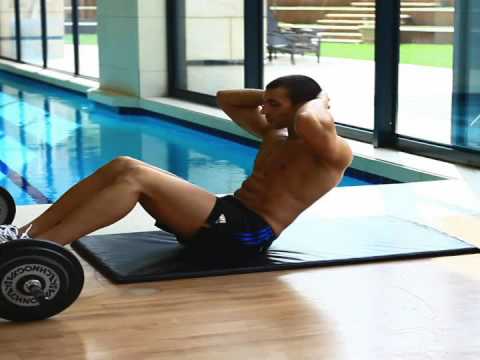 Sit ups
: Exercise Guide Overview Sit ups are a slow, controlled exercise focusing primarily on strengthening the abdominal…
Sit ups
Sit ups: Exercise Guide Overview Sit ups are a slow, controlled exercise focusing primarily on strengthening the abdominal…
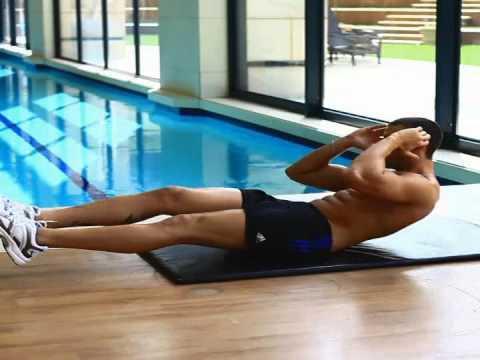 Alternating sit ups
: Exercise Guide Overview Alternating sit ups are a slow, controlled movement primarily targeting the abdominal…
Alternating sit ups
Alternating sit ups: Exercise Guide Overview Alternating sit ups are a slow, controlled movement primarily targeting the abdominal…
 Crunches
: Exercise Guide Overview Crunches are a slow, controlled exercise designed to strengthen the abdominal muscles. This movement…
Crunches
Crunches: Exercise Guide Overview Crunches are a slow, controlled exercise designed to strengthen the abdominal muscles. This movement…