
Is Your Hormonal Balance Impacting Your Life More Than You Think?
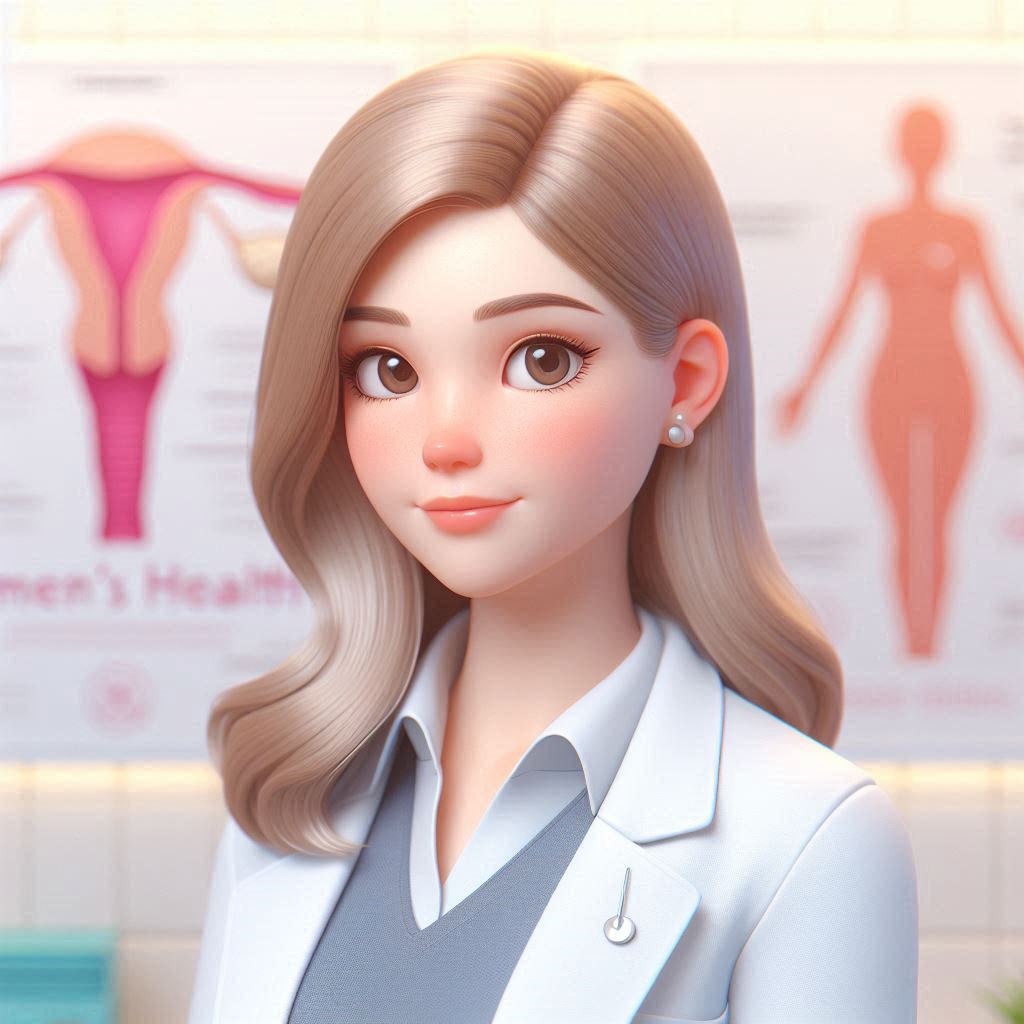 Gynaecologist
Focuses on women’s reproductive health.
Gynaecologist
Focuses on women’s reproductive health.
Hormones play a crucial role in a woman’s overall health, affecting everything from mood to fertility. Many women experience hormonal fluctuations that can lead to various physical and emotional challenges. Understanding these changes and how to address them is key to enhancing your quality of life.
The Importance of Hormonal Balance
Hormonal balance is essential for numerous bodily functions. When hormones are out of sync, the effects can be far-reaching. Let’s delve into some common hormonal issues and their impacts.
Common Hormonal Conditions
- Polycystic Ovary Syndrome (PCOS): One of the most common hormonal disorders among women of reproductive age. It can lead to infertility, weight gain, and increased risk of diabetes.
- Menopause: A natural phase in a woman’s life that can cause symptoms such as hot flashes, mood changes, and sleep disturbances. Understanding menopause can help in managing its effects.
- Thyroid Disorders: An underactive or overactive thyroid can influence weight, energy levels, and mood. Regular screening is vital for detection.
Signs of Hormonal Imbalance
Recognizing the signs of hormonal imbalance can empower you to seek help. Here are some common symptoms:
- Irregular periods or missed cycles
- Unexplained weight changes
- Severe fatigue or sleep disturbances
- Mood swings or anxiety
- Skin changes, such as acne or excessive hair growth
Tips for Maintaining Hormonal Health
Here are some actionable steps you can take to support your hormonal balance:
- Regular Check-ups: Schedule annual visits with your gynecologist to discuss any concerns and get necessary screenings.
- Healthy Diet: Incorporate a balanced diet rich in whole foods, lean proteins, healthy fats, and plenty of fruits and vegetables.
- Physical Activity: Aim for at least 150 minutes of moderate exercise each week to help regulate hormones and improve mood.
- Stress Management: Engage in activities like yoga, meditation, or deep-breathing exercises to manage stress levels.
- Stay Informed: Keep up with the latest research and recommendations on women’s health from trusted sources like Mayo Clinic, WebMD, WHO, and CDC.
As we approach International Women’s Day on March 8, it serves as a reminder to prioritize women’s health and well-being. Empowering yourself with knowledge about hormonal health is a crucial step towards better living.
Conclusion
Hormonal balance is pivotal to your overall health and well-being. By being proactive about your hormonal health, you can navigate life’s challenges with greater ease. Regular screenings, a healthy lifestyle, and seeking help when needed are essential strategies for maintaining hormonal balance. Remember, you are not alone, and there are resources available to support you.
So, take charge of your health today—your hormones will thank you for it!
More articles for you
 What Your Hormones Are Trying to Tell You About Your Health?
Hormones are the silent messengers of our bodies, influencing everything from mood to metabolism. Yet, many women navigate…
What Your Hormones Are Trying to Tell You About Your Health?
Hormones are the silent messengers of our bodies, influencing everything from mood to metabolism. Yet, many women navigate…
 Is Your Hormonal Symphony Out of Tune? Discover the Signs
Navigating the transition into perimenopause can feel like an emotional rollercoaster, often leaving women bewildered and seeking clarity.…
Is Your Hormonal Symphony Out of Tune? Discover the Signs
Navigating the transition into perimenopause can feel like an emotional rollercoaster, often leaving women bewildered and seeking clarity.…
 Are You Ignoring These Vital Signs of Reproductive Health?
In today’s fast-paced world, many women overlook essential aspects of their reproductive health. Understanding the signs your body…
Are You Ignoring These Vital Signs of Reproductive Health?
In today’s fast-paced world, many women overlook essential aspects of their reproductive health. Understanding the signs your body…
 Sit ups
: Exercise Guide Overview Sit ups are a slow, controlled exercise focusing primarily on strengthening the abdominal…
Sit ups
Sit ups: Exercise Guide Overview Sit ups are a slow, controlled exercise focusing primarily on strengthening the abdominal…
 Alternating sit ups
: Exercise Guide Overview Alternating sit ups are a slow, controlled movement primarily targeting the abdominal…
Alternating sit ups
Alternating sit ups: Exercise Guide Overview Alternating sit ups are a slow, controlled movement primarily targeting the abdominal…
 Crunches
: Exercise Guide Overview Crunches are a slow, controlled exercise designed to strengthen the abdominal muscles. This movement…
Crunches
Crunches: Exercise Guide Overview Crunches are a slow, controlled exercise designed to strengthen the abdominal muscles. This movement…