
How Can You Reclaim Your Strength After Surgery?
 Post-Surgery Coach
Supports safe rehabilitation after orthopedic or soft-tissue surgeries.
Post-Surgery Coach
Supports safe rehabilitation after orthopedic or soft-tissue surgeries.
Recovering from surgery can feel like a daunting journey, but understanding how to navigate the rehabilitation process can transform your experience. The road to regaining strength and mobility is not only possible but can be empowering. This guide will walk you through effective strategies to help you bounce back after procedures such as knee replacements or rotator cuff repairs.
The Importance of a Structured Recovery Plan
Setting Realistic Goals
Post-surgery recovery involves more than just physical healing; it’s about setting achievable goals that motivate you. Here are some key points to consider:
- Short-term vs. Long-term Goals: Short-term goals may involve regaining basic mobility, while long-term goals could focus on returning to your favorite activities.
- Celebrate Small Wins: Every step forward is significant. Celebrate progress, whether it’s taking the first steps on crutches or lifting your arm higher than before.
- Adjust as Needed: Recovery isn’t linear. Be prepared to reassess your goals based on your body’s response.
Physical Therapy and Exercise
Engaging in physical therapy is critical for a successful recovery. Your therapist will provide a tailored exercise program, but here are some general exercises to expect:
- Range of Motion Exercises: Gentle movements to prevent stiffness.
- Strengthening Exercises: Focus on the muscles surrounding the surgery site to regain strength.
- Balance Training: Essential for preventing falls as you regain mobility.
Incorporate these exercises gradually, ensuring you’re listening to your body and avoiding undue strain. Resources like Mayo Clinic provide comprehensive guidelines on post-surgery rehabilitation.
Nutrition for Recovery
Nutrition plays a pivotal role in healing. A well-balanced diet can enhance your recovery process:
- Protein-Rich Foods: Essential for muscle repair. Include lean meats, dairy, and legumes.
- Hydration: Keeping hydrated aids in overall recovery.
- Vitamins and Minerals: Focus on vitamins C and D, and minerals like calcium for bone health. Websites like WebMD offer insights on dietary needs post-surgery.
Managing Pain and Discomfort
Pain management is often one of the most challenging aspects of recovery:
- Follow Medical Advice: Adhere to prescribed pain medications and discuss any concerns with your doctor.
- Alternative Therapies: Consider acupuncture or meditation to complement pain management.
- Ice and Elevation: Use ice packs and keep the affected area elevated to reduce swelling.
Staying Positive
Mental health should not be overlooked during recovery. Here are some ways to stay positive:
- Connect with Support Systems: Friends, family, or support groups can provide encouragement.
- Mindfulness Practices: Activities like yoga or meditation can help manage anxiety.
- Focus on Progress: Keep a journal to track your recovery journey and reflect on improvements.
In conclusion, reclaiming your strength after surgery is a process that requires patience, dedication, and a clear plan. Whether it’s through setting realistic goals, following a structured physical therapy program, or maintaining a balanced diet, you can pave your way to recovery. Remember, every small step you take is a step toward regaining your confidence and independence.
For more information on recovery strategies, consider checking out resources from the World Health Organization or the Centers for Disease Control and Prevention.
Final Advice
Stay engaged in your recovery process. Keep communicating with your healthcare providers, listen to your body, and don’t hesitate to reach out for support. You are not alone on this journey, and with the right strategies in place, you will come out stronger than before.
More articles for you
 Are Your Chakras Out of Balance? Signs You Shouldn’t Ignore
In our fast-paced lives, we often overlook the subtle signals our bodies send us, especially when it comes…
Are Your Chakras Out of Balance? Signs You Shouldn’t Ignore
In our fast-paced lives, we often overlook the subtle signals our bodies send us, especially when it comes…
 Are You in Tune with Your Body’s Hidden Signals?
In today’s fast-paced world, it’s easy to overlook the subtle signs our bodies give us about our health.…
Are You in Tune with Your Body’s Hidden Signals?
In today’s fast-paced world, it’s easy to overlook the subtle signs our bodies give us about our health.…
 Can Simple Changes Enhance Wellness During Cancer Treatment?
Facing cancer can feel overwhelming, but small changes can significantly enhance your quality of life during treatment. This…
Can Simple Changes Enhance Wellness During Cancer Treatment?
Facing cancer can feel overwhelming, but small changes can significantly enhance your quality of life during treatment. This…
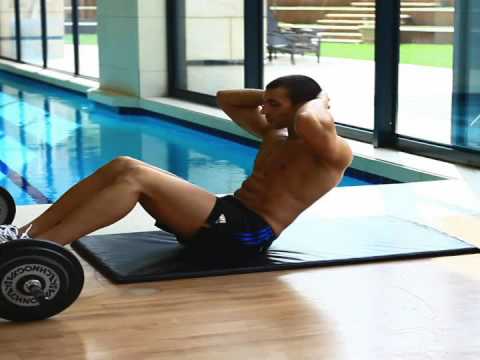 Sit ups
: Exercise Guide Overview Sit ups are a slow, controlled exercise focusing primarily on strengthening the abdominal…
Sit ups
Sit ups: Exercise Guide Overview Sit ups are a slow, controlled exercise focusing primarily on strengthening the abdominal…
 Alternating sit ups
: Exercise Guide Overview Alternating sit ups are a slow, controlled movement primarily targeting the abdominal…
Alternating sit ups
Alternating sit ups: Exercise Guide Overview Alternating sit ups are a slow, controlled movement primarily targeting the abdominal…
 Crunches
: Exercise Guide Overview Crunches are a slow, controlled exercise designed to strengthen the abdominal muscles. This movement…
Crunches
Crunches: Exercise Guide Overview Crunches are a slow, controlled exercise designed to strengthen the abdominal muscles. This movement…